
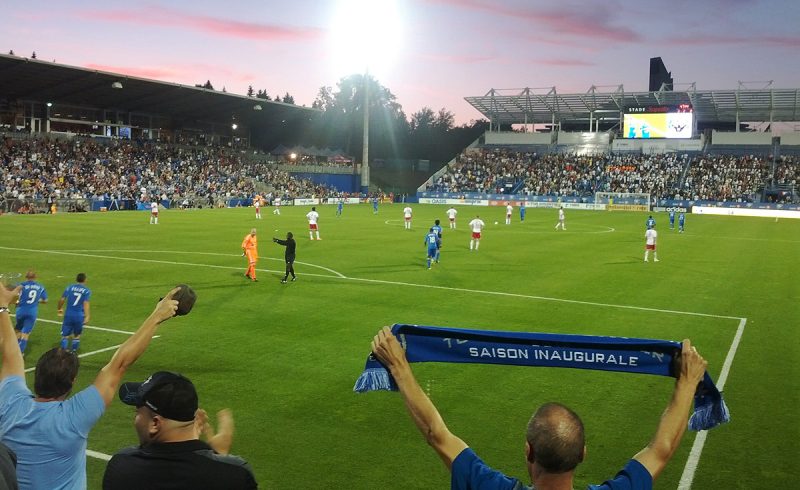
The latest Major League Soccer (MLS) franchise valuations delivered a reminder to CF Montreal of their place in the North American sporting landscape.
CF Montreal is valued at $430 million according to figures recently released by Sportico, which places them at the bottom of the pile in MLS.
Their status is hammered home by Montreal’s latest odds for the 2026 MLS season, with bookmakers rating them as 67.00 shots to win the title.
The sportsbooks featured on comparison platform BettingTop10 rarely make a misstep with their odds, which does not bode well for Montreal’s chances this season.
However, for fans who use the best Canada sports betting bonuses to wager on Montreal, a change in mindset at the club could make a big difference to their chances of success.
Commercial Disparity Presents Significant Challenges
While MLS is thriving financially, the growth is mostly being powered by the behemoths in the American markets.
The average MLS team is now valued at $767 million, a six percent rise from the previous year. The teams are collectively worth around $30 billion.
Teams operating closer to the bottom of the table, including Montreal, recorded minimal gains or outright losses. By contrast, the big boys fattened themselves commercially.
Inter Miami is MLS’ most valuable franchise. It is worth $1.44 billion, more than three times Montreal’s figure. Lionel Messi’s arrival has played a key role in their growth.
The MLS Cup champions are growing exponentially, and they will gain further ground commercially with the opening of their new home, Miami Freedom Park.
The 25,000-seater stadium will boost matchday income and sponsorship. Miami is already registering local revenue of over $200 million, dwarfing the numbers of several small-market teams.
Los Angeles FC, LA Galaxy, Atlanta United, and New York City FC are among the other clubs that benefit from solid sponsorship markets and modern stadiums.
Montreal Must Leverage Its Edge in the Commercial Landscape

Montreal operates in a smaller commercial environment compared to its American counterparts and cannot generate the revenue to drive franchise valuations.
A lack of infrastructure has also widened the financial disparity. Clubs that own their stadiums can take the lion’s share of their matchday and event income.
Teams that lack that advantage rely on league distributions and sponsorships, leaving them with limited financial resources.
Vancouver faces financial challenges because it is a tenant at BC Place. That lack of control over matchday income affects financial performance.
However, Montreal has commercial advantages it can leverage to ensure the club becomes more successful over the next few years.
Unlike many other sports markets in North America, the club only has one major league franchise to contend with – the National Hockey League’s Montreal Canadiens.
The National Football League (NFL), National Basketball Association (NBA) and Major League Baseball (MLB) are not a competitive factor in the city.
Montreal demonstrated during the 2022 season that it can build a competitive squad by finishing second in the Eastern Conference and progressing to the MLS play-off quarter-finals.
The club’s bosses have subsequently adopted a ‘rebuild’ mentality rather than capitalising on the foundations they laid during that campaign. That mindset needs to change.
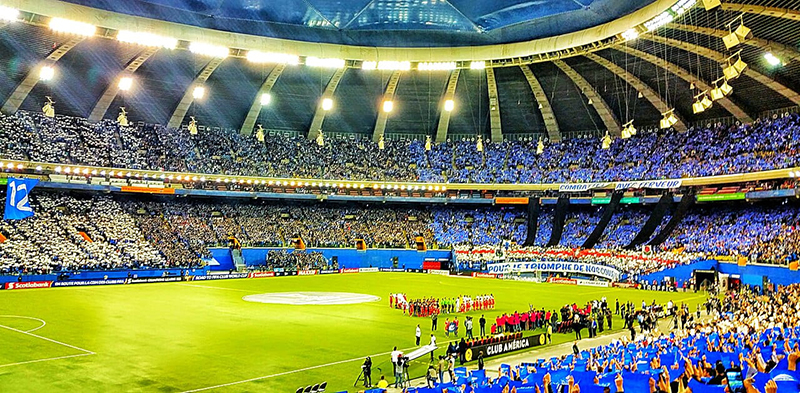
Montreal must also leverage its favourable position in the city to attract investors. A coordinated effort on both fronts could help the club compete again.
Matching the commercial big guns in MLS is never likely to come to fruition, but a city with Montreal’s pull should not be at the bottom of the franchise valuations list.
Changing the narrative will require the owners to adopt a more forward-thinking approach, preferably sooner rather than later.
lead photo Montreal Impact match at Saputo Stadium against New York Red Bulls on July 28, 2012. photo by By Gates of Ale – CC BY-SA 3.0
Other articles from totimes.ca – otttimes.ca – mtltimes.ca