Missing teeth can have a significant impact on our self-confidence and oral health. That’s why dental implants offer a remarkable solution, providing a permanent and natural-looking replacement for missing teeth.
Let’s explore together the world of dental implants, answering common questions and sharing valuable tips to help you understand the process.

- Understanding Dental Implants:
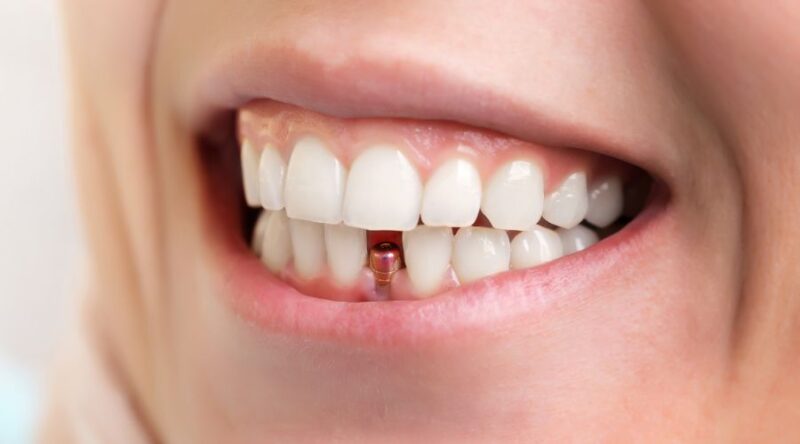
Dental implants are artificial tooth roots made of titanium that are surgically placed into the jawbone.
They provide a strong foundation for prosthetic teeth, such as crowns or dentures, ensuring stability and functionality.
- Benefits of Dental Implants:
Restored Confidence: Dental implants look, feel, and function like natural teeth, allowing you to smile and speak with confidence.
Improved Oral Health: Implants prevent bone loss and maintain the integrity of adjacent teeth, unlike traditional tooth-supported bridges.
Long-Term Solution: With proper care, dental implants can last a lifetime, making them a durable and cost-effective investment.
- Consultation and Treatment Planning:
Find a Reputable Dentist: Look for an experienced implant dentist with a track record of successful implant placements.
Comprehensive Evaluation: Your dentist will assess your oral health, examine your jawbone density, and discuss your expectations to determine if you’re a suitable candidate for dental implants.
Treatment Plan: A personalized treatment plan will be created, outlining the number of implants needed, the type of restoration, and the timeline of the procedure.
- Dental Implant Procedure:
Dental implants are typically placed in two stages:
a. Implant Placement: The implant is surgically inserted into the jawbone. You may receive a temporary restoration during the healing process.
b. Restoration Placement: After the implant fuses with the bone (osseointegration), a customized dental crown or bridge is attached to the implant, completing your new smile.
- Preparing for Dental Implant Surgery:
Communicate with your dentist: Share any medical conditions, medications, or allergies you have to ensure a safe and successful procedure.
Follow Pre-Operative Instructions: Your dentist may advise you to avoid eating or drinking for a certain period before surgery and arrange transportation for the day of the procedure.
Arrange for Post-Operative Care: Plan for a few days of rest and stock up on soft foods to consume during the healing phase.
- Post-Surgery Care:
Follow Aftercare Instructions: Your dentist will provide detailed instructions on how to care for the surgical site, including oral hygiene practices and any necessary medications.
Stick to a Soft Diet: Initially, consume soft foods and avoid hard, chewy, or hot substances that could disrupt the healing process.
Attend Follow-Up Appointments: Regular check-ups with your dentist are essential to monitor the healing progress and ensure the long-term success of your dental implants.
- Maintaining Dental Implants:
Practice Excellent Oral Hygiene: Brush twice a day, floss daily, and use an antibacterial mouthwash to keep your implants and gums healthy.
Avoid Harmful Habits: Don’t smoke or chew on hard objects like pens or ice, as these can damage your implants and compromise their longevity.
Schedule Regular Dental Visits: Visit your dentist for routine check-ups and professional cleanings to detect and address any issues early on.
- Managing Discomfort and Complications:
Temporary Discomfort: Mild pain, swelling, and bruising are common after surgery. Your dentist may prescribe pain medication or suggest over-the-counter options to alleviate discomfort.
Complications: While rare, complications such as infection, implant failure, or nerve damage can occur. Contact your dentist immediately if you experience severe pain, excessive bleeding, or persistent swelling.
Dental implants offer a life-changing solution for those seeking a confident and functional smile. By understanding the process and following the tips outlined above, you can embark on your journey to dental implant success. Remember, finding a skilled dentist, adhering to pre and post-operative care instructions, and maintaining excellent oral hygiene are key factors in achieving long-lasting results.
Other articles from mtltimes.ca – totimes.ca – otttimes.ca