How to choose, buy, and use your sleep apnea treatment
A Massively Under-Diagnosed Public Health Issue
Obstructive sleep apnea (OSA) is one of the most widespread chronic conditions in Canada – and yet it remains largely undetected. According to a 2024 study published in the Canadian Journal of Public Health based on more than 51,000 Canadians, 28.1% of adults aged 45 to 85 suffer from moderate to severe OSA – and 92.9% of them have never received a clinical diagnosis.
Chronic fatigue, morning headaches, heavy snoring, and nighttime breathing pauses are all warning signs that deserve immediate medical attention. CPAP therapy (Continuous Positive Airway Pressure) is today the gold-standard treatment, recommended by every major sleep medicine society worldwide.
This complete guide covers everything you need to know: how a CPAP works, how to choose the right device, how much it costs, and where to get reliable equipment in Montreal.
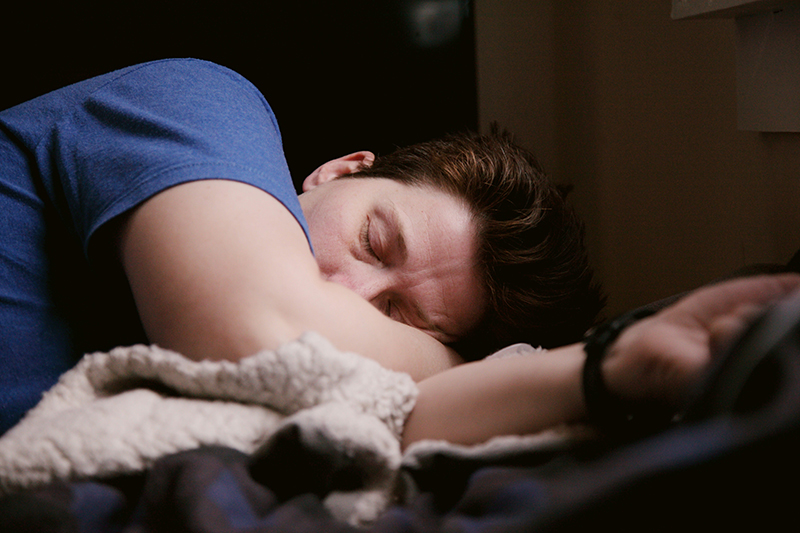
1. What Is Sleep Apnea? Definition and Key Symptoms
Obstructive sleep apnea occurs when the throat muscles relax during sleep, causing the upper airway to partially or fully collapse. Breathing stops for 10 to 30 seconds at a time, sometimes dozens of times per hour, forcing the brain to briefly wake the sleeper to restore ventilation.
Most Common OSA Symptoms
- Loud, persistent snoring
- Breathing pauses witnessed by a bed partner
- Waking up gasping or choking
- Excessive daytime fatigue despite a full night’s sleep
- Morning headaches and dry mouth
- Difficulty concentrating and irritability
Health Risks of Untreated Sleep Apnea
Untreated sleep apnea is associated with serious long-term health complications. Patients face a 2.2-fold higher cardiovascular mortality risk and a 2.5-fold increased risk of type 2 diabetes compared to healthy sleepers. High blood pressure, stroke, and mood disorders are also well-documented complications of untreated OSA.
2. How Does a CPAP Machine Work?
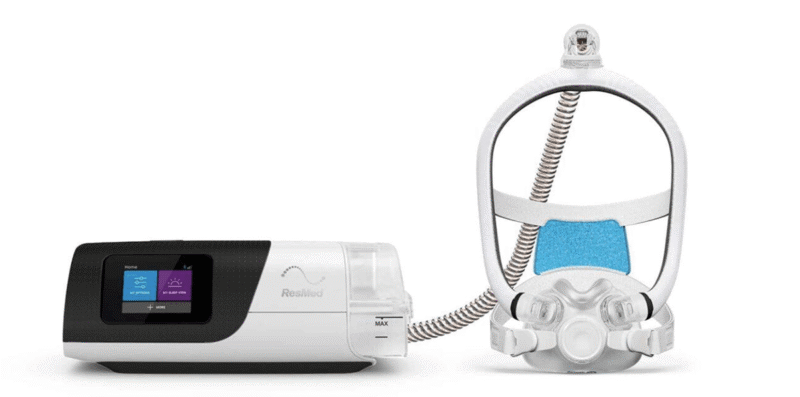
A CPAP device delivers a continuous stream of pressurized air through a nasal or full-face mask. This airflow acts as a pneumatic splint, holding the airway open throughout the night and preventing the collapses that cause apnea episodes.
Table – The Three Types of CPAP Devices
| Device Type | How It Works | Main Indication |
|---|---|---|
| Fixed CPAP | Constant pressure all night | Simple OSA, stable pressure set by physician |
| APAP (Auto-CPAP) | Automatically adjusts pressure as needed | Variable OSA, beginners, travel |
| BiPAP / BiLevel | Two pressure levels (inhale / exhale) | Severe OSA, central apnea, CPAP intolerance |
💡 Most patients starting treatment use an APAP (such as the ResMed AirSense 11), which automatically adjusts pressure throughout the night based on real-time breathing patterns.
3. Choosing the Right CPAP Mask
The mask is the most personal component of your CPAP setup. A poor fit is the leading cause of therapy abandonment. There are three main categories:
Table – CPAP Mask Type Comparison
| Mask Type | Description | Best For |
|---|---|---|
| Nasal mask (e.g. ResMed N20) | Covers the nose only | Nasal breathers, moderate pressures |
| Full-face mask (e.g. ResMed F20) | Covers nose and mouth | Mouth breathers, high pressures |
| Nasal pillow mask (e.g. P30i) | Small cushions inserted in nostrils | Claustrophobic users, side sleepers |
💡 Pro tip: Never choose a mask based solely on price or online reviews. A respiratory therapist must assess your facial anatomy, sleeping position, and pressure tolerance to guide you to the right fit.
4. Buy, Rent, or Finance a CPAP in Montreal?
A quality CPAP machine represents a meaningful investment. Several options exist depending on your financial situation and medical needs.
Table – Acquisition Options Compared
| Option | Upfront Cost | Advantages | Disadvantages |
|---|---|---|---|
| Purchase outright | ~$1,500–$3,500 | Full ownership, no monthly fees | High one-time investment |
| Monthly rental | ~$80–$150/mo | Flexible, try before you commit | Higher total cost long-term |
| Financing plan | Monthly payments | Immediate access, predictable budget | Possible interest charges |
| CPAP trial | Variable | Test before buying | Limited duration |
Most private insurance plans in Quebec cover 50% to 100% of the cost of a CPAP device when prescribed by a physician. Check your coverage before making a decision.
5. Leading CPAP Brands Available in Montreal (2025)
Table – Top CPAP Brands and Their Flagship Models
| Brand | Flagship Model | Key Features |
|---|---|---|
| ResMed | AirSense 11 Auto CPAP | MyAir connectivity, AutoSet algorithm, built-in humidifier |
| ResMed | AirCurve 11 ASV | Central & mixed apnea, adaptive servo-ventilation |
| Fisher & Paykel | SleepStyle | Intuitive interface, unique water chamber design |
| Philips Respironics | DreamStation 2 | Compact, quiet, cloud data integration |
RespiArt Montreal is an authorized provider of ResMed, Fisher & Paykel, Vitalograph, NOX, and Zopec equipment, with clinical follow-up provided by certified respiratory therapists.
6. How Is Sleep Apnea Diagnosed?
Home Sleep Test (HST)
A home sleep apnea test is the most accessible diagnostic option. A small respiratory monitor records your breathing, oxygen saturation, and breathing effort while you sleep in the comfort of your own home. Results are then analyzed by a specialized physician or respiratory therapist.
Advantages: Comfort of your own home, lower cost, shorter wait times.
Limitation: Does not capture brain waves or limb movements. For complex cases, overnight polysomnography in a sleep lab remains the preferred option.
💡 RespiArt offers the home sleep test free of charge to patients presenting OSA symptoms – so you spend your budget on the solution, not the diagnosis.
7. Cleaning and Maintaining Your CPAP Equipment
Table – Recommended Maintenance Schedule
| Frequency | Recommended Action |
|---|---|
| Daily | Refill humidifier with distilled water (never tap water) |
| Weekly | Wash mask, tubing, and cushion with warm mild soapy water |
| Monthly | Clean water chamber, inspect and replace filters |
| Annually | Full device inspection and service by a respiratory professional |
Never use antibacterial soap on silicone CPAP parts – it degrades the material over time. Always opt for a mild, fragrance-free dish soap.
8. FAQ – Frequently Asked Questions About CPAP in Montreal
Do I need a prescription to buy a CPAP in Quebec? Yes. A CPAP is a medical device. A physician’s prescription based on a sleep study is required to qualify for insurance reimbursement and to ensure therapy is properly calibrated.
How soon will I feel the effects of CPAP therapy? Most patients report improved energy and sleep quality within the first few weeks of consistent use. Full adaptation typically takes 4 to 8 weeks.
Does my insurance cover a CPAP machine? Most group insurance plans in Quebec cover 50% to 100% of the cost upon presentation of a medical prescription. Check your plan’s terms before purchasing.
Can I travel with my CPAP? Absolutely. Modern devices like the ResMed AirSense 11 are airline-approved (universal voltage) and include a travel mode. A travel adapter may be needed depending on your destination.
What happens if I skip a night? OSA returns the moment you stop using your device. Physicians recommend nightly use, including naps, for full therapeutic benefit.
Why Choose RespiArt for Your CPAP Therapy in Montreal?
- Free home sleep test for patients presenting OSA symptoms
- Team of certified respiratory therapists for personalized follow-up
- Full range of ResMed, Fisher & Paykel, Vitalograph, NOX, and Zopec equipment
- Flexible options: outright purchase, monthly rental, and financing plans
- Post-setup support: pressure adjustments, mask fitting, troubleshooting
→ Browse the RespiArt CPAP Store
submitted post
Other articles from totimes.ca – otttimes.ca – mtltimes.ca