

Are power distribution challenges causing headaches in your facility? If you’re looking at dependability, safety, and cutting energy costs, dry type transformers could be your answer. But with so many options, finding the right one can feel like a puzzle.
This guide is here to simplify things. We’ll walk you through the key things to think about when choosing the perfect dry type transformer for your needs, so you can be sure of a steady and reliable power supply. From figuring out how much power your facility needs to checking out the environment where it will be installed and mapping out its long-term upkeep, we will cover a lot. Time to dive in!
What are Dry-Type Transformers?
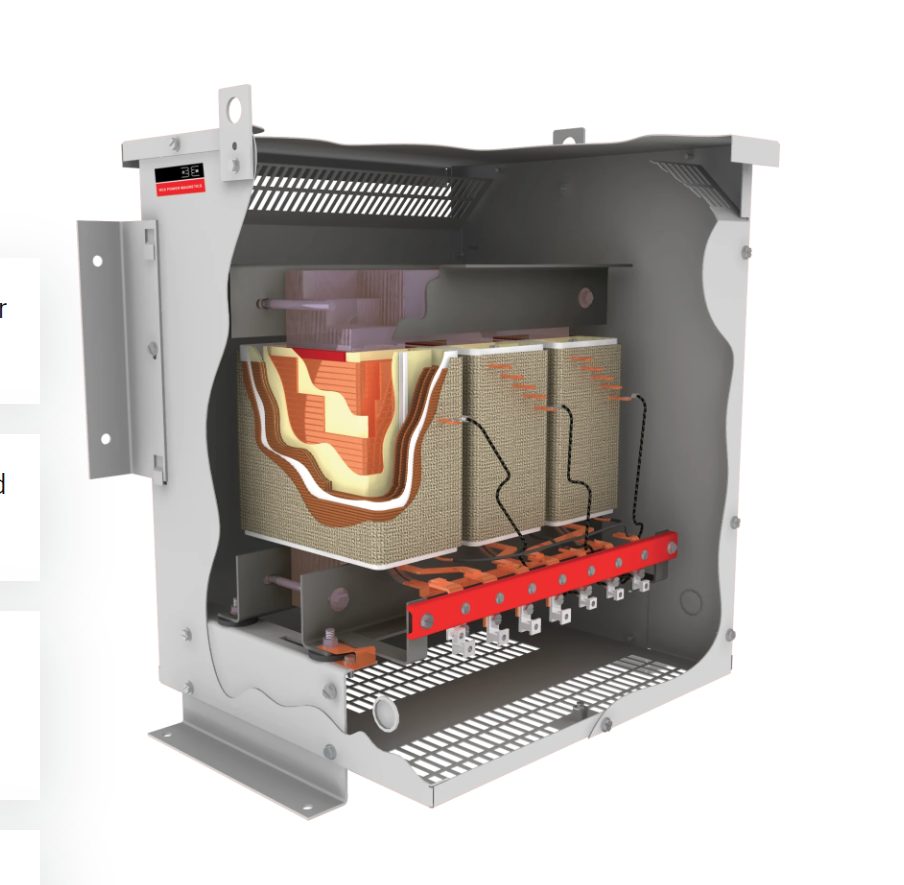
Unlike traditional transformers that use oil for cooling, dry type transformers use air. It’s one critical change. Oil-filled models can leak and pose a fire risk, making dry types a safer, greener choice for various uses.
Where You’ll Commonly Find Dry Type Transformers:
- Commercial Buildings: Think hospitals, schools, and office buildings. They pick dry-types for the added safety. Hospitals need patient safety above all else, schools want more eco-friendly tech, and everyone needs a consistent power supply with one less fire-related worry.
- Industrial Facilities: Here, they handle those changing loads you find in factories. They can resist fires and hold up even if exposed to harsh chemicals.
- Data Centers: In these places, it’s all about reliable, secure power for servers, and that’s what you get without oil leak worries or fire risks.
- Renewable Energy Installations: Wind and solar farms are using more and more of these. They’re a reliable way to match power from green sources to what the grid expects.
- Areas with Strict Fire Codes: Any place with super-strict fire regulations will likely lean toward these to cut out those oil-related hazards.
Picking the right transformer matters a lot. You don’t want to deal with wasted energy, early equipment failures, safety risks, and expensive downtime, all because of a poor match. Ultimately, safety, how well your system works, and how reliable it is all depend on making the right call here.
1. Know Your Power Requirements: The Foundation of Your Choice
Before anything else, you’ve got to get a handle on your facility’s power needs. It’s the most important thing. Sort of like trying to buy shoes without knowing your size—you’re setting yourself up for problems.
Things to Consider When Thinking About Power:
- Voltage Requirements: What voltage does your equipment need? Mess this up, and you could be looking at some serious damage and disruptions.
- Load Capacity (kVA): Add up all the power your equipment uses (in kVA) to make sure the transformer can handle it, today and down the road.
- Application Type: What’s the transformer going to be doing? Is it for general use, powering a specific machine, or backing up critical systems like emergency power?
Bottom line: make absolutely certain that the kVA rating of the transformer can handle what you need, now and later. Too small, and you’ll overload it, leading to problems down the line. Too big, and money gets wasted with electricity being unused in the transformer. Electricity is wasted in the operation of the transformer, as well.
2. Consider Environmental Conditions: Respect the Elements
Where will your dry type transformer live? The environment matters a lot. The surroundings can really affect how long a transformer lasts and how well it works.
Environmental Factors to Evaluate:
- Indoor vs. Outdoor Installation: Outdoor transformers need tougher cases to deal with rain, snow, and sun. Indoor models can get away with less, but you need to think about ventilation.
- Ambient Temperature: If it’s always hot, that can drag down a transformer’s performance, so you might need to dial back its capacity. That means it can’t function with as much load.
- Humidity Levels: Too much humidity over time can mess with the transformer’s insulation. You’ll want to find something that is sealed better.
- Dust and Contaminant Exposure: If there’s a lot of dust or chemicals around, look for a transformer with a good Ingress Protection (IP) rating. That tells you how well it keeps out solids and liquids.
- Altitude: Up in the mountains, thinner air can make cooling harder, so you may need to lower the transformer’s capacity here, too.
Don’t ignore the insulation class rating of the transformer. It is the highest temperature the unit should endure. Base this on the expected temperatures and what the application asks.
3. Focus on Efficiency and Energy Performance: Save Money and the Planet
Energy efficiency isn’t just a trend; it makes good business sense and helps the planet. High-efficiency dry type transformers minimize power losses (mostly as heat), which translates to lower power bills and a smaller carbon footprint.
Strategies for Maximizing Energy Efficiency:
- Compliance with DOE or IEC Standards: Look for transformers that hit or beat the energy efficiency marks set by the Department of Energy (DOE) or the International Electrotechnical Commission (IEC). These standards give you a clear bar for energy performance, ensuring you get a transformer built for efficiency.
- Core Material Selection: What the core is made of affects efficiency. Amorphous metal cores are super-efficient but cost more. Silicon steel cores are a more budget-friendly choice.
- Winding Design Optimization: Smart winding designs can minimize losses inside the transformer.
Keep in mind, even small boosts in energy efficiency can mean big savings. So, think of it as a long-term investment.
4. Review Cooling and Safety Features: Essential for Reliable Operation
Cooling and safety are essential. Dry type transformers naturally produce heat when they’re running. Good cooling keeps them from overheating and extends their life.
Critical Cooling and Safety Considerations:
- Air Natural (AN) vs. Air Forced (AF) Cooling Systems:
- AN Cooling: This uses natural air to cool things down. It works for smaller transformers and when the environment isn’t too demanding.
- AF Cooling: Fans blowing air to cool the transformer are used here. This is better for larger transformers and hotter environments.
- Fire Resistance Characteristics: One of the biggest advantages of dry type transformers is that they’re resistant to fires. Since there’s no oil, there’s no risk of spills or explosions. You should also make sure that the materials used in the transformer, like the insulation and enclosure, are flame-retardant.
- Compliance with Established Safety Standards: Check that the transformer meets all the safety standards, local and international. This shows that it’s been tested and certified as safe.
5. Plan for Maintenance and Accessibility: Keep it Running Smoothly
Dry type transformers don’t need as much attention as the oil-filled kind, but you still need to check them regularly to keep them running well.
Key Maintenance and Accessibility Considerations:
- Accessibility for Maintenance: Make sure you can easily get to the important parts for servicing.
- Dust Mitigation: Dust buildup can block cooling. Schedule regular cleanings to keep the air flowing.
- Insulation Checks: Check regularly for any signs of damage to the insulation.
With a proactive maintenance plan, you can add years to your transformer’s life.
6. Balance Cost and Quality: Think Long Term
The upfront cost is only part of the picture. You need to think about the Total Cost of Ownership (TCO), which includes:
- Initial Purchase Price: What you pay for the transformer itself.
- Energy Costs: How much electricity it will waste over time.
- Maintenance Costs: How much you’ll spend on upkeep and repairs.
- Downtime Costs: How much money you’ll lose if the transformer fails.
- Replacement Costs: What it will cost to replace it when it dies.
Spending a little more on a higher-quality dry type transformer can pay off in the long run with lower energy bills, less maintenance, and better reliability.
Making the Right Choice
It’s important to choose the right dry type transformer, so think about this:
Make sure your transformer matches your power requirements by knowing your voltage, kVA rating, and intended application. Consider the environment it will operate in — factors like temperature, humidity, and dust can all affect performance. Finally, choose a model that balances energy efficiency with safety and complies with recognized industry standards.
Selecting the perfect transformer can feel like a lot. Don’t hesitate to get advice from the professionals. They can help you make the best choice for your facility.
Other articles from mtltimes.ca – totimes.ca – otttimes.ca