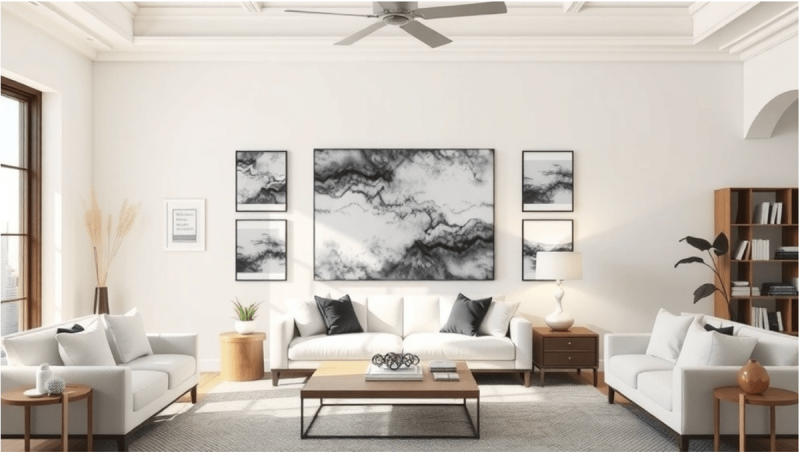
The walls of your home hold untapped potential to influence your daily mood, productivity, and overall psychological well-being. While many view art as mere decoration, emerging neuroscientific research reveals that strategically selected artwork functions as a powerful tool for emotional regulation and cognitive enhancement, transforming living spaces into environments that actively support mental health and personal growth.
Modern homeowners are discovering that quality art pieces, such as canvas art prints from Desenio, offer an accessible pathway to create sophisticated living environments that provide both aesthetic pleasure and measurable psychological benefits. The key lies not in filling every wall with artwork, but in choosing pieces that resonate with your personal story while leveraging the neurological mechanisms that make art appreciation such a potent force for well-being.
The neurological foundation of art’s impact on living spaces
Recent neuroimaging studies have revolutionized our understanding of how art affects the brain, revealing that aesthetic experiences activate complex neural networks involving emotion, memory, and creativity simultaneously. When you view artwork in your home, your brain’s medial prefrontal cortex—the same region responsible for emotional processing and regulation—becomes actively engaged, creating measurable improvements in emotional resilience and mental clarity.
This neurological response explains why certain rooms in your home feel more calming or energizing than others. Art appreciation stimulates brain regions associated with pleasure and reward, which directly modulate affective states and promote cognitive functions essential for learning and productivity. The visual engagement required to process artistic elements creates a form of active meditation that helps regulate stress responses and enhance emotional intelligence.
Advanced neuroimaging research using fMRI technology has provided unprecedented insights into these mechanisms, demonstrating that aesthetic experiences with art create distinct patterns of brain activity linked to reward processing and emotional regulation. This scientific foundation validates what interior designers and homeowners have long intuited—that thoughtfully chosen artwork can fundamentally alter the psychological atmosphere of living spaces.
The implications for home design are profound. Rather than selecting artwork based solely on color coordination or trending styles, homeowners can now make informed choices that support their psychological needs. Whether you’re creating a calming bedroom sanctuary or an inspiring home office, understanding these neural mechanisms allows you to curate collections that actively contribute to your daily well-being.
Immediate psychological benefits of thoughtful art curation
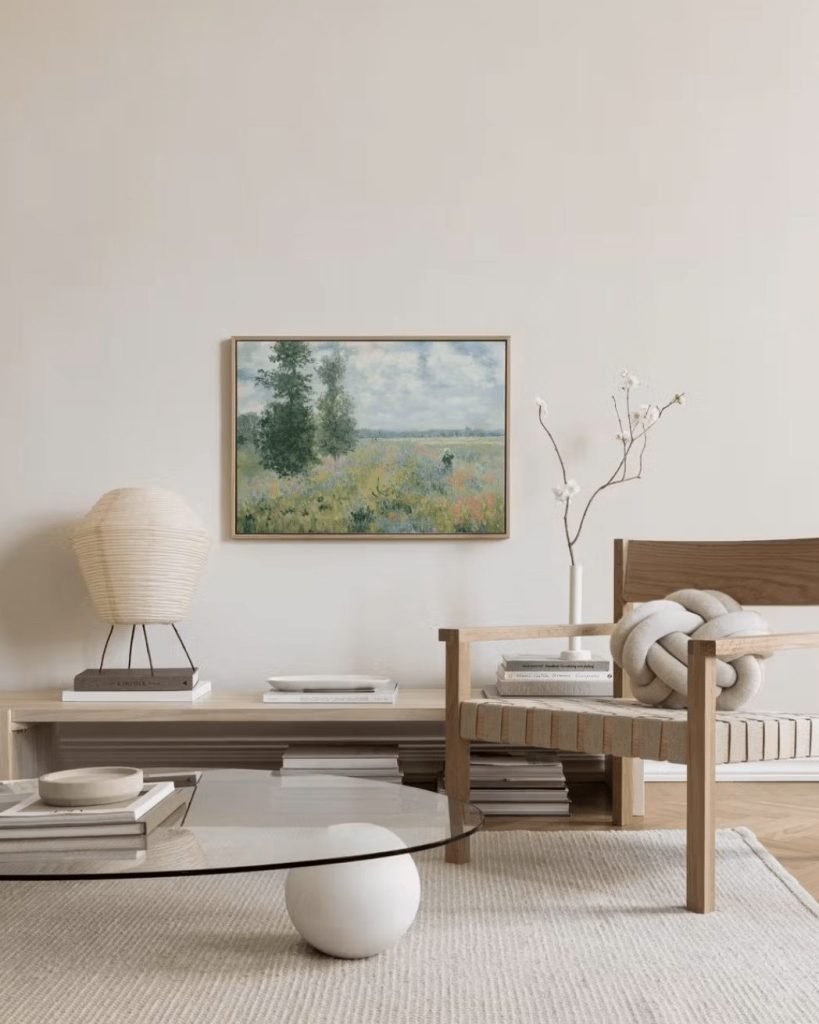
The psychological impact of art in living spaces extends far beyond long-term mood enhancement, with research demonstrating that even brief exposure to meaningful artwork can produce immediate and measurable benefits. Studies published in PLOS ONE reveal that engaging with art for just 1-2 minutes can significantly reduce negative mood, state anxiety, and feelings of loneliness while simultaneously boosting overall psychological well-being.
These rapid improvements occur through what researchers term “positive appraisals”—the brain’s assessment of beauty, meaningfulness, and personal relevance in artistic experiences. When artwork in your home consistently triggers these positive appraisals, your living space becomes a therapeutic environment that actively counters daily stressors and emotional challenges. The effect is particularly pronounced when art pieces connect to personal memories, aspirations, or cultural identity.
Digital accessibility has expanded these benefits beyond traditional gallery settings, with online art exhibitions and virtual collections providing measurable psychological improvements. This research validates the growing trend of incorporating diverse artistic mediums into home environments, from photography and digital prints to traditional paintings and mixed media installations. The key factor isn’t the medium itself, but the emotional and cognitive engagement the artwork generates within your specific living context.
The immediacy of these benefits suggests that strategic art placement can serve as an accessible mental health intervention within domestic spaces. Unlike traditional therapeutic approaches that require scheduled appointments or specialized settings, art-enhanced environments provide continuous, passive support for emotional regulation throughout daily routines.
Creating environments that support long-term well-being
The strategic placement and selection of art within your home creates cumulative effects that extend far beyond momentary mood improvements, establishing environments that support sustained psychological health and personal growth. Art serves as a therapeutic tool that facilitates ongoing emotional processing, helping residents work through complex feelings and experiences in the comfort of their own space.
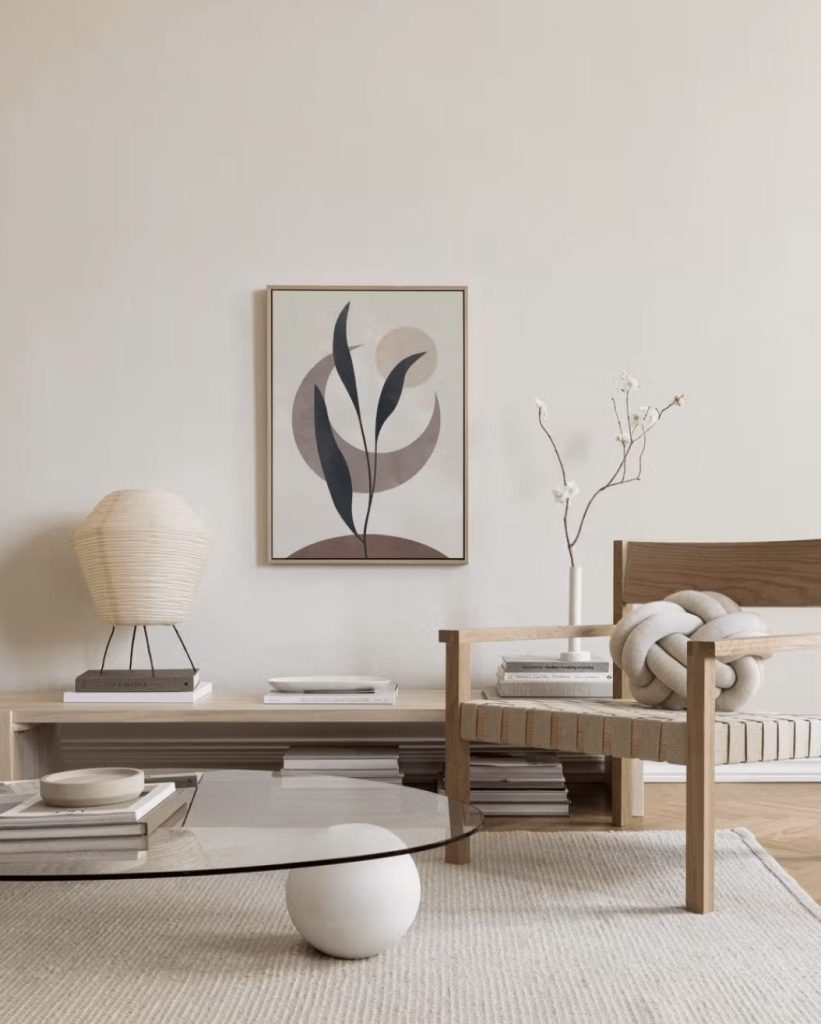
Both active creation and passive viewing of art engage brain regions involved in emotional regulation, suggesting that homes featuring meaningful artwork can improve emotional resilience over time. This neurological engagement creates what researchers describe as adaptive emotional neural networks—brain pathways that become more efficient at processing stress, managing anxiety, and maintaining psychological balance through regular aesthetic stimulation.
The environmental psychology of art-enhanced living spaces also influences productivity and creativity in measurable ways. Workspaces and common areas featuring carefully selected artwork demonstrate improved cognitive function, enhanced problem-solving abilities, and increased motivation for personal projects. The visual complexity and emotional depth of quality art pieces provide ongoing mental stimulation that keeps neural pathways active and engaged, contributing to cognitive health and creative thinking throughout daily routines.
Furthermore, the therapeutic benefits of art extend to social and familial relationships within the home. Shared aesthetic experiences create opportunities for meaningful conversations, emotional connection, and collective identity formation. Art pieces that reflect family values, cultural heritage, or shared aspirations can strengthen social bonds and create a sense of belonging that supports long-term psychological well-being for all household members.
Other articles from mtltimes.ca – totimes.ca – otttimes.ca