
Airlines across the country have been particularly hard hit by the Covid-19 pandemic, with many struggling to survive – including at Trudeau National Aeroport. However, a new rapid test may prove to be a solution towards saving the airline industry. Air Canada was one of the first in the industry in responding to the situation, by requiring travelers to wear face coverings and the first airline in the Americas to take customers’ temperatures prior to boarding. In May, it introduced a comprehensive program, Air Canada CleanCare+, to apply industry-leading biosafety measures at each stage of the journey.

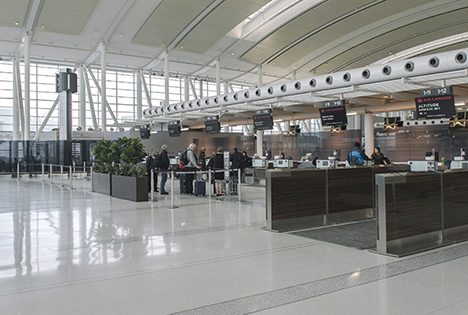

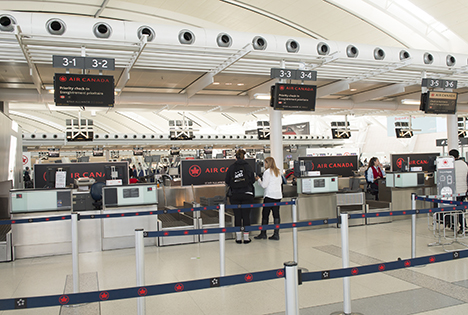
Provinces across Canada now have a total of 3.8 million Covid-19 rapid tests and each government is deciding how and where they will use them. The airline industry is one area of concern and Air Canada had already announced in News Release on October 1st that were they were ‘finalizing an initial order from Abbott for 25,000 rapid test kits for voluntary employee testing now that it has been approved for use in Canada’. Air Canada’s Chief Medical Officer, Dr. Jim Chung had said, ‘Understanding that we will need to live alongside this virus for the short- to medium-term, we have been pursuing relationships and a layered approach as a way to keep our employees and our customers safe. We believe testing will be key to protecting employees and customers until such time as a COVID-19 vaccine is available. Rapid testing is also a means to enable governments to relax current blanket travel restrictions and quarantines in a measured way while still safeguarding the health and safety of the public.”
The rapid testing system could prove to be an alternative to the 14-day quarantine system. Called ID NOW, the testing kit can provide results in 13 minutes with tests that are able to not only detect the active virus, but also detect antibodies in people who were previously infected – according to Abbott. According to McMaster Health Labs (MHL) who performed 13,000 tests on volunteers since September 3rd, more than 99% tested negative for COVID-19. Of the less than 1% who tested positive, more than 80% were detected in the first test with the others found in the seven-day test. However, reliability of the tests are still being questioned by health officials on whether they can fully trust the results or not – and that rapid tests might not be as reliable as the lab tests. The Medical Officer of Health in Ottawa, Dr. Vera Etches said the ‘city’s testing team is looking at some pilot projects to use rapid tests, such as at a long-term care home with a suspected outbreak’ – but that ‘there are still concerns rapid tests might not be as reliable as the lab tests’. At this stage, it might be enough for some people to feel safer traveling – and for others, perhaps not.

Other articles from mtltimes.ca – totimes.ca – otttimes.ca