
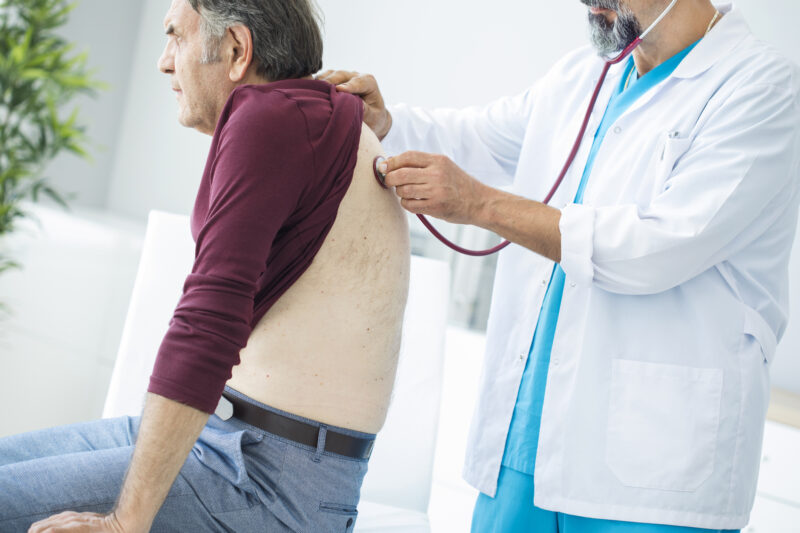
In an extreme situation, the COVID-19 infection generally attacks the respiratory tract. But the researchers have shown that the ailment can impact various organs in an individual’s body. Additionally, there is an increasing identification of the long COVID among clinicians and researchers. The long COVID can show itself as a persistent symptom in people recovering from the extreme stage of the SARS-CoV-2 infection. At times it can strike after 6 months of the recovery.
Researchers in their current studies intends to have a better understanding of the chances of older adults and senior citizens developing health conditions that follow the SARS-CoV-2 infection, which medical experts call as the sequelae.
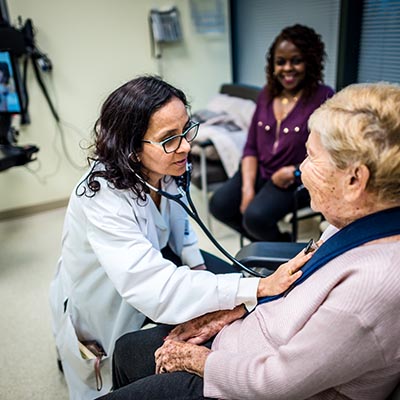
The prevalence of the virus globally
Today, there are more than 400 million COVID-19 cases globally. Even though the vaccine drive has started, several nations aren’t yet vaccinated. According to a study in MyBioSource, about 45% of people believe that vaccines should get backed up by incentives. For instance, people in Wisconsin think that they need to get paid $184 to get vaccinated.
The pandemic has impacted the healthcare system as well. And it becomes necessary to clearly understand the magnitude of the issue, which can get further affected by post-extreme sequelae of the virus.
To do this, Dr. Cohen and his contemporaries studied the health insurance records of 133,366 adults in the United States. The participants were 65 years old or older and received a COVID-19 diagnosis before April 1, 2020.
The pandemic maximized the sequelae risk
Medical practitioners found that close to 32% of people infected by the virus in 2020 asked for medical attention for a persistent and new condition. And it was 11% more than what it was in 2020. The ongoing and new conditions that highlighted the highest risk were high blood pressure, respiratory failure, memory issues, fatigue, kidney ailments, hypercoagulability, and mental health problems.
When all these impacts were compared to those with low respiratory tract infection, there was more risk only for dementia, respiratory failure, and post-viral fatigue. The low respiratory infection group added exacerbations of COPD (chronic obstructive pulmonary disease) along with bacterial pneumonia that remain undetected. That made several patients very ill.
Hence, the difference between people infected by the novel coronavirus and others was visible. People infected by the virus witnessed post-viral fatigue, dementia, and respiratory failure, compared to the ones who only had a low respiratory tract infection. According to several medical experts, the data develops well on the Veterans Affairs on the post-acute after-effects of the pandemic, along with the troop of the patients who got admitted to the hospital compared to those who weren’t.
However, notwithstanding the restrictions mentioned by the authors of the medical experiments, the validation of the observations enables the clinicians to carry for propagating the measures to keep the vast popular secure. It means there is a need to delve deep into the symptoms faced by the older adults and check whether it is a mass occurrence. Also, Dr. Alicia Arbaje, Director, Transitional Care Research, Johns Hopkins Medicine, suggests that checking how the virus affects the mind and body of senior citizens with co-morbidities is essential. That would encourage the medical practitioners to introduce treatment modalities in terms of medicines that can help to remedy the after-effects of the virus in older adults who already suffer from high blood pressure, diabetes, heart ailments, and the like.
The future research to consider
According to Alicia Arbaje, one way to develop the research is to ensure that all the findings can be generalized. She asserts that expanding the inclusion criteria or replicating the work will be a smart step to take. Hence, it is smart to observe the general Medicare population and other senior citizens in various countries to find a similar trend.
She says there is a need to make use of all the data claims. One sign of improvement is to enquire the patients concerning their symptoms instead of validating the same on the administrative data. There is a scope of the future research to consider any probable effect of the coronavirus vaccine on a person and the scopes of developing an after-effect.
The doctors consider the vaccines to be an effect modifier or potential confounder. It is best looked upon as an observational statement. Since the virus is a stressor, even the vaccines that successfully generate an immune response, can also be looked upon as the stressor. At a certain level, they might act as the benign form of the virus that can very well be a stressor. It is equally essential for doctors to know if people exacerbate the underlying illness right after the vaccination. All of these will enable the medical community to understand the impact of the virus on senior citizens, which will help them to develop the cure model.
Other articles from mtltimes.ca – totimes.ca – otttimes.ca

Dryer vent cleaning in Montreal and surrounding areas – Mtl Duct Cleaning

Mtl Wine Gal bringing affordable high-end private imported wine to your table