
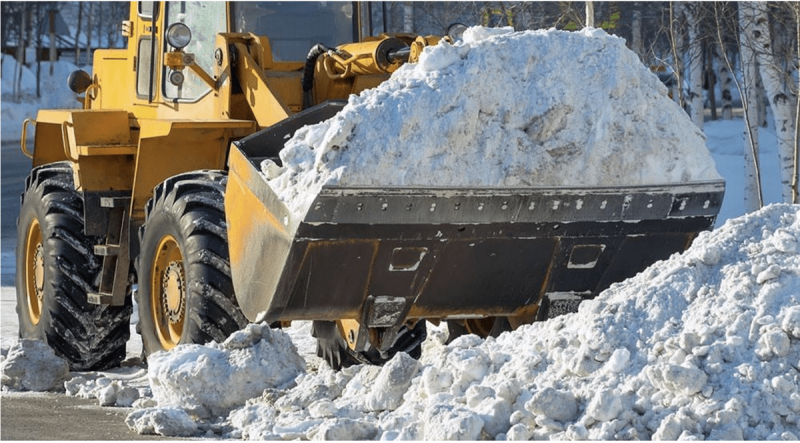
When snow blankets a parking lot, it can quickly shrink available parking space and create hazards. Managing snow relocation and piling smartly helps keep your lot safe and maximizes its capacity. A good snow plan prevents chaos and keeps traffic flowing smoothly during winter.
Effective snow management starts with understanding your parking layout and planning where to move the snow without blocking spots or walkways. With the right techniques, you can turn a snowy mess into an organized, functional space that works for everyone.
Assess Your Parking Lot Layout Before Snow Season
Managing snow relocation and piling starts with one important step: assessing your parking lot layout before snow season arrives. Taking the time to understand your lot’s shape, size, and traffic flow will help you plan where to move snow without blocking parking spaces or creating hazards. For businesses, partnering with a reliable commercial snow removal Toronto service ensures efficient snow management throughout the season.
Why Assessing Your Lot Matters
If you don’t know your lot’s layout well, snow piles can quickly take over valuable parking spots or block important pathways. This can lead to frustration for drivers and unsafe conditions for pedestrians. By checking your lot ahead of time, you get a clear picture of the best places to store snow that won’t interfere with daily use.
Identify Key Areas in Your Lot
Start by walking through your parking lot during a clear day. Look closely at how cars enter, park, and exit. Notice where people walk and which spots get used the most. Also, find areas that are rarely used or open spaces at the edges. These spots are usually the best places to pile snow.
Make sure to avoid blocking entrances, exits, or any handicap parking areas. Snow piles near these spots can cause major problems. Visibility is also important, so pick places where tall snow piles won’t block a driver’s view of oncoming traffic or pedestrians.
Plan for Safe Movement Around Snow Piles
Once you know your layout, think about how cars and people will move around the snow piles. You want clear paths that don’t force drivers to take dangerous turns or pedestrians to walk in unsafe areas. Planning safe routes around snow piles helps keep your lot running smoothly even when there’s a lot of snow.
Use Strategic Snow Relocation Techniques
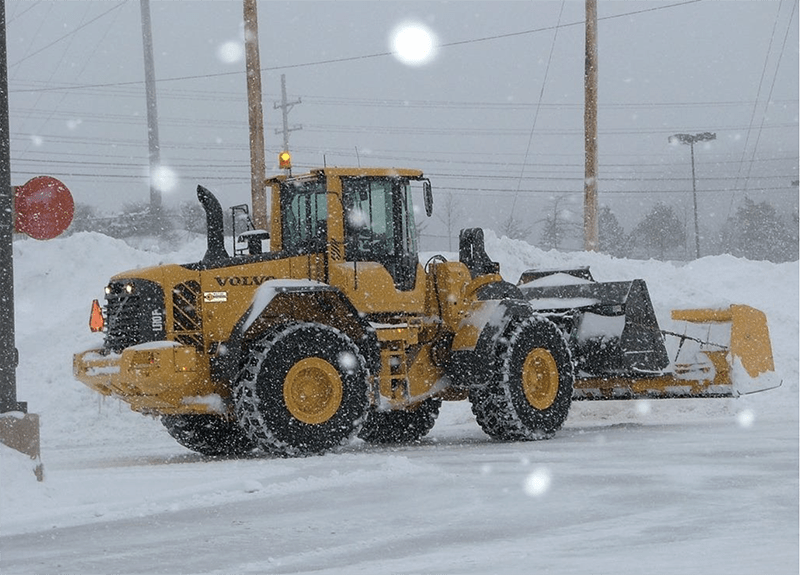
When it comes to managing snow relocation and piling, using strategic techniques is key to keeping your parking lot organized and maximizing space. Simply pushing snow anywhere won’t work; you need a plan that moves snow to the right spots without causing new problems.
Move Snow to Less-Used Areas
The first step in strategic snow relocation is to find the parts of your parking lot that get used the least. These might be corners or edges where cars rarely park or drive. Moving snow to these spots keeps the main areas clear for parking and traffic. It also prevents snow piles from blocking important spots like entrances or emergency access points.
Avoid Blocking Key Areas
Snow should never be piled near entrances, exits, or handicap spaces. These areas need to stay clear for safety and accessibility reasons. Snow piles in these spots can create hazards or make it hard for people to get in and out of the lot. When relocating snow, always keep these high-traffic areas free and accessible.
Consider Off-Site Snow Removal When Needed
If your parking lot is small or the snowfall is heavy, sometimes the best move is to remove snow off-site. This means hauling snow away from the lot entirely. It might cost more but can free up valuable space and keep your lot functioning smoothly during long winter storms. Strategic snow relocation means knowing when to move snow around and when to move it out completely.
Build Efficient Snow Piles to Save Space
When managing snow relocation and piling, building efficient snow piles is a smart way to save space and keep your parking lot functional. It’s not just about moving snow—it’s about stacking it in a way that takes up less room and stays safe for everyone.
Stack Snow Vertically to Save Ground Space
One of the best ways to save space is to pile snow upward instead of spreading it out. Taller piles use less surface area, leaving more parking spots open. But it’s important not to make piles too tall because very high snowbanks can block drivers’ views and create safety risks.
Compact Snow to Make Piles Smaller
Snow that is loosely packed takes up more space. Using snow compactors or heavy machinery to press down the snow helps reduce its size. Compact snow piles take up less room and last longer without melting unevenly. This technique helps keep your parking lot clear and organized.
Keep Snow Piles Low Near Visibility Areas
Even if you stack snow tall in less busy corners, remember to keep piles low near places where drivers need clear sightlines, like entrances and intersections. Lower piles here prevent accidents and make it easier for people to see and move safely.
Regularly Monitor and Maintain Snow Piles
Managing snow relocation and piling doesn’t stop once the snow is moved and piled. Regularly monitoring and maintaining your snow piles is essential to keep your parking lot safe and maximize space throughout the winter.
Check Snow Piles Often
Snow piles can grow bigger as more snow is added during storms, or they can shrink and become icy as they melt and refreeze. Checking your piles regularly helps you spot problems early, like piles blocking parking spots or pathways. This way, you can take action before the snow creates hazards or reduces your parking capacity.
Remove Excess Snow Before It Becomes a Problem
When snow piles get too large, they can start to melt unevenly, creating ice patches or runoff that refreezes into slippery spots. Removing excess snow before this happens helps keep your lot safe and easy to use. It also frees up space for more cars and prevents damage to the parking lot surface.
Keep Pathways Clear Around Snow Piles
Even well-placed snow piles can cause issues if the paths around them aren’t kept clear. Make sure sidewalks, entrances, and driving lanes near snow piles stay open and free of ice. Using salt or sand can help prevent slippery areas and keep people moving safely.
By staying on top of your snow piles with regular monitoring and maintenance, you keep your parking lot functional and safe all winter long. This ongoing care is just as important as the initial snow relocation and piling to maximize your parking lot capacity.
Conclusion
Mastering how to manage snow relocation and piling is key to maximizing parking lot capacity. With smart planning and regular upkeep, you’ll keep your parking lot safe, spacious, and accessible all winter long.
Other articles from mtltimes.ca – totimes.ca – otttimes.ca