Requirements for travel by air
Whether you are visiting or coming home, you will get a Declaration Card while onboard the plane. You must complete the card before you reach Canada. It tells the authorities about your travels, what you are bringing to Canada, and more. Avoid folding it to ensure you are served faster.
Taking a Connecting Flight
If you are taking a connecting flight through Canada, follow the signs at the airport. Your baggage might have to be screened before you take your next flight.
Arrival and the First CBSA Checkpoint
When you get to the first terminal, follow the signs to the first CBSA checkpoint. Border services will examine the Declaration Card and other travel documents. You may be directed to a booth and asked questions to determine your status, any goods you bring along, and your duty-free allowance. Goods not properly declared in the declaration card can be seized.
First Time Entrants and those Coming to Study
If you are entering Canada to study or work for the first time, there are other documents needed. An officer will guide you through the process and may help you with language services if needed.
Trusted traveller program
If you are part of the trusted traveller program, you can get through customs much faster and visit the automated kiosks for fast processing.
Second CBSA checkpoint and baggage
When you clear the first checkpoint, go to the baggage claim area. You might have to pay duty and taxes at most airports as you wait for the luggage. Once done with baggage, go to the next point and show an officer the Declaration Card and the receipt you paid taxes and duty.
You might be asked to move to a second inspection area where detailed information about your travel is required. You might also have to present your luggage for inspection as an extra security measure. This is normal, and your cooperation will ensure things move along faster. It helps to ensure the security of Canada and its economy when the verification of the declaration is done.
Any questions can be directed to the CBSA superintendent any time.
Travel by land
If you get to Canada via a land border, go to the first checkpoint where border officers will examine the identification and travel documents as well as take a verbal declaration. The wait time might vary depending on the crossing point that you use.
Travel by private boat
If you get to Canada by boat, go to a marine telephone-reporting site and call the CBSA Telephone reporting center. You will then be given your CBSA clearance. Some boaters can present their declaration to the CBSA by calling from their cellphones from the location where they come into Canada.
Required ID
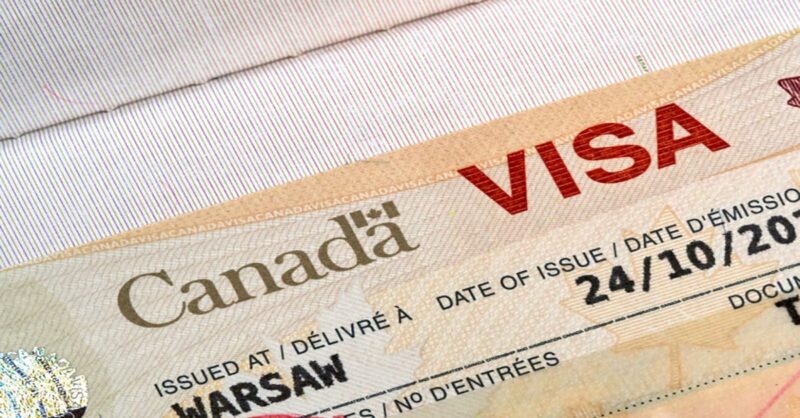
Ensure you have proper ID for you and any kids with you to ensure that you get Canadian Government authorization to enter. Canada has new entry requirements called the Electronic Travel Authorization, which is for some international travellers entering the nation. It works much like an electronic visa.
The government recommends that Canadians should travel with a valid passport since it is the only accepted travel document everywhere for international travel. International airlines might need travellers to present the passport before they board a plane. You may be experienced delays or denied permission to board planes if you present:
Enhanced ID
NEXUS Card
Free and Secure Trade Card
Citizenship Card
Certificate of Indian Status
Birth certificate in Combination with other ID documents
Permanent residents
Permanent residents have to present a valid permanent resident card to enter Canada. The card must not have expired. The Certificate of Canadian Citizenship may not be used as a travel document.
Travelling with children
Parents with shared custody should have copies of legal custody documents. They also need to have written consent from the other custody holder to get Canadian Government authorization to leave the nation with kids. The consent letter needs to have the full name, number, and address of the other parent.
When travelling in a convoy of cars, parents and children have to be in the same car. Adults that are not parent have a written consent of the parents to travel with kids. The consent letter needs to have a number, name, and address of the parents.
CBSA officers are keen when you travel with children. They will ask detailed questions to confirm anything you tell them.
Dealing with Border Officers
You might sometimes have to undergo more detailed inspection. It simply means that you need to complete an extra form. Border officers have a legal right to examine your luggage as part of their duty to Canadian security. You have to open, unpack, and repack the luggage.
To make things easier, have your receipts with you as well as open the luggage. You should have any receipts for goods bought to ease the process. This might help to prove the value of goods. If you disagree with the duty and taxes charged, you can go for a consultation to resolve the issue at no costs. You will be directed on how to file an appeal if you still do not agree.
Border service officers can arrest anyone for an offence or an infraction under acts of Parliament. If you are arrested, you will have to attend the court in Canada. If you are arrested in Canada, you will enjoy the full protection of the Canadian Charter of Rights and Freedoms.