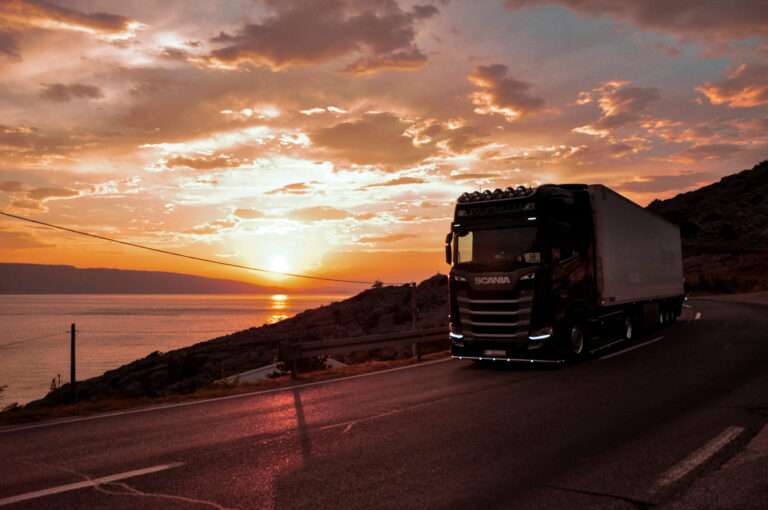
Freight shipping is the transport of an item that weighs no less than 150 pounds. A package is not considered to be freight until it reaches the 150-pound mark. The cost of shipping freight is decided by different factors, not just the weight and size of the item.
Freight Classifications
Freight class is determined by the standards established by the National Motor freight Traffic Association.
LTL
LTL is a class of freight that says the freight is not large enough to fill a transportation truck. It literally means less than a truck liability. This classification lets you quickly discern that there could be a variety of different items and the density levels of those items is more than likely going to differ. The products will require different handling procedures and the price of shipping for each product will be different.
Density
You have to determine the density of your package to learn what classification it will be shipped in. The density discerns the weight of the package in consideration of the size and shape of the package.
To calculate the density:
- Measure the item being shipped. Measure the length, the width and the depth. If the item is on skids be sure that you include the skids in your measurement. Density is very important when loads are being placed on a vehicle to create secure loads that are moved safely. If you are shipping more than one item each item must be separately measured.
- Take the height measurement, width measurement and depth measurement and multiply them. Height x width x depth. If you are shipping multiple items you want to take the numbers you get after multiplying these and add all of them together to determine the number of cubic inches you have in total.
- Take the number of cubic inches you come up with and divide that by 1.728. 1.728 is the exact number of cubic inches that are in a cubic foot.
- Weigh each of the packages to determine the exact weight.
- Add the weight of all of the packages together and then divide that number by the total number of cubic feet you came up with. Round all of the fractions to the nearest number.
Freight Classes
In total there are 18 common types of freight classes.
- Class 50 weighs over 50 lbs. per cubic foot. Examples: Fits on standard shrink-wrapped 4X4 pallet, very durable
- Class 55weighs 35 – 50lbs.per cubic foot. Examples: Bricks, cement, mortar, hardwood flooring
- Class 60weighs 30 – 35lbs.per cubic foot. Examples: Car accessories & car parts
- Class 65weighs 22.5 – 30lbs.per cubic foot. Examples: Car accessories & car parts, bottled beverages, books in boxes
- Class 70weighs 15 – 22.5lbs.per cubic foot. Examples: Car accessories & car parts, food items, automobile engines
- Class 77.5weighs 13.5 – 15lbs.per cubic foot. Examples: Tires, bathroom fixtures
- Class 85weighs 12 – 13.5lbs.per cubic foot. Examples: Crated machinery, cast iron stoves
- Class 92.5weighs 10.5 – 12lbs.per cubic foot. Examples: Computers, monitors, refrigerators
- Class 100weighs 9 – 10.5lbs.per cubic foot. Examples: boat covers, car covers, canvas, wine cases, caskets
- Class 110 weighs 8 – 9lbs.per cubic foot. Examples: cabinets, framed artwork, table saw
- Class 125weighs7 – 8lbs.per cubic foot. Examples: Small Household appliances
- Class 150weighs6 – 7lbs.per cubic foot. Examples: Auto sheet metal parts, bookcases,
- Class 175weighs5 – 6lbs.per cubic foot. Examples: Clothing, couches stuffed furniture
- Class 200weighs4 – 5lbs.per cubic foot. Examples: Auto sheet metal parts, aircraft parts, aluminum table, packaged mattresses,
- Class 250weighs3 – 4lbs.per cubic foot. Examples: Bamboo furniture, mattress and box spring, plasma TV
- Class 300weighs2 – 3lbs.per cubic foot. Examples: wood cabinets, tables, chairs setup, model boats
- Class 400weighs1 – 2lbs.per cubic foot. Examples: Deer antlers
- Class 500weighs less than 1 lbs. per cubic foot. Examples: Bags of gold dust, ping pong balls
Freight Handling
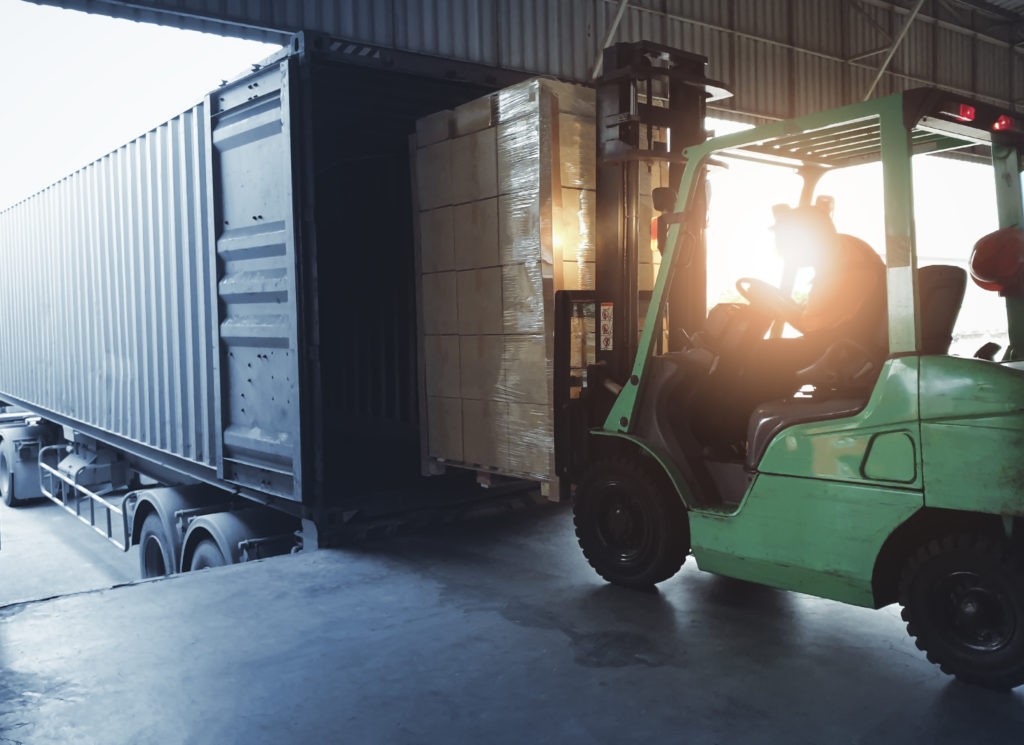
This is the process of loading and unloading the freight that is shipped. At every stage of the transportation, the freight must be loaded onto the next method of transportation. This ensures that the items are positioned properly onto the next transportation device so the freight is safely secured and will encounter the least possibility of damages during transportation.
Equipment used in freight handling
In order to load and unload the packages during transportation, there are several devices that can be used. The devices help to lift the extreme weights and odd shapes so that the humans involved do not injure themselves.
Freight handlers
The people who handle freight have to be experienced and competent at using the different tools that will help them lift and secure the packages. Freight handling is a difficult job that requires the person to stand for long hours often in weather that is hot, or cold. Freight handlers are not the same as the truck drivers that operate the vehicle that transport the freight across the country.
Examples of devices used to handle freight:
- Forklifts
- Carts
- Cranes
- Pallets
- Dollies
- Pallet jacks
- Scanners
How freight is moved
There are several methods of transporting freight. Commonly it is moved by truck, rail, and ships. Often freight may use all three methods of transportation before it reaches its final destination.
Trucks provide the ability to move the freight quickly across the country and this is especially true of short-distance moves.
Rails offer the ability for large amounts of freight to move across the country in a uniform manner.
Water is the main method of shipping freight to other countries.
Final Thoughts
There are several companies that ship and transport freight for the general public. The cost of shipping through these companies will differ from one area to another. Private freight haulers usually do not ship anything less than a truckload of materials so they often work strictly for large companies.
Other articles from mtltimes.ca – totimes.ca – otttimes.ca

Mtl Wine Gal bringing affordable high-end private imported wine to your table

Pivot your life and business with life coach Sonia Zarbatany