As energy costs rise and homeowners seek sustainable living solutions, window coverings have evolved beyond aesthetics. Modern blinds not only add style but also help regulate indoor temperatures, reducing reliance on heating and cooling systems. By choosing the right blinds, homeowners can enhance comfort, cut down on utility bills, and contribute to a greener environment. Let’s explore the latest trends in energy-efficient blinds that are shaping contemporary homes.
How Do Energy-Efficient Blinds Reduce Utility Bills?
Energy-efficient blinds act as a barrier, preventing heat from escaping in winter and keeping interiors cool in summer. By controlling light and insulation, they minimize the need for artificial heating and cooling, leading to lower energy consumption. The right window treatments can reduce heat loss by up to 40% in the winter and heat gain by nearly 80% in the summer.
Key Benefits of Energy-Efficient Blinds:
- Lower energy costs – Reduces reliance on heating and air conditioning.
- Increased comfort – Maintains a consistent indoor temperature.
- UV protection – Prevents fading and damage to furniture and flooring.
- Environmental impact – Reduces carbon footprint by lowering energy consumption.
For those in Calgary looking for energy-efficient blinds solutions, go to https://shadeitblinds.ca/motorized-automated-shades-calgary/.
Top Energy-Efficient Blind Trends for Modern Homes
1. Cellular Shades: The Power of Insulation
Cellular shades, also known as honeycomb blinds, trap air in their unique hexagonal pockets, creating an insulating layer between the window and the room. The more layers or cells a shade has, the greater the insulation it provides.
- Excellent for retaining indoor temperature
- Available in single, double, or triple-cell designs
- Light-filtering and blackout options for privacy and comfort
- Reduces outside noise, making them ideal for urban settings
- Customizable in terms of colour, opacity, and operating mechanism
2. Solar Shades: Block Heat Without Losing Light
Solar shades are made from special fabrics designed to reduce glare and block UV rays while allowing natural light to filter through. These are particularly beneficial for rooms with large windows that receive excessive sunlight.
- Protects furniture from sun damage
- Available in various openness levels (1%-14%) to control light and visibility
- Ideal for large glass windows and sunrooms
- Reduces glare on screens and monitors, making them great for home offices
- Can be motorized for easier control
3. Smart Blinds: Convenience Meets Efficiency
Automated blinds adjust based on sunlight exposure, ensuring your home stays cool in summer and warm in winter without manual intervention. Smart blinds are becoming increasingly popular as they integrate seamlessly with smart home systems.
When selecting motorized options, it’s essential to consider the features of motorized blinds that best suit your needs, including remote operation, scheduling capabilities, and compatibility with smart home assistants.
- Can be scheduled to open and close at optimal times
- Compatible with smart home systems (Alexa, Google Home, etc.)
- Reduces human error in energy management
- Available in a variety of styles, from roller to cellular options
- Can be controlled remotely via a smartphone app
4. Dual-Layered Zebra Blinds: Style and Functionality

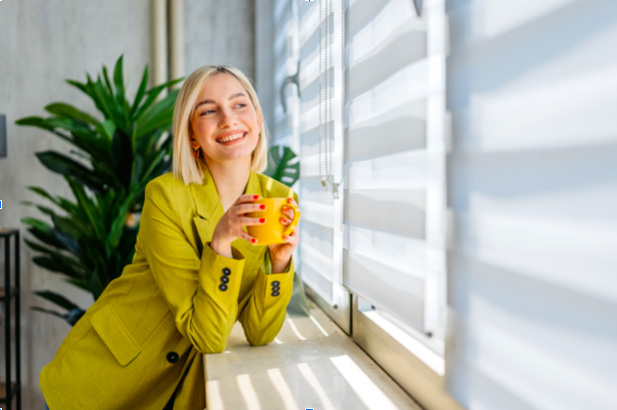
Zebra blinds offer a combination of sheer and opaque fabric layers, giving homeowners precise control over light and insulation. They are a modern alternative to traditional blinds and are popular in contemporary home designs.
- Adjusts to block or allow natural light as needed
- Modern and stylish appearance
- Helps maintain indoor temperatures year-round
- Available in a variety of patterns and colors
- Provides privacy without completely darkening a room
5. Thermal Roller Blinds: A Simple Yet Effective Choice
Thermal roller blinds have a special backing that helps retain heat in winter and reflect it in summer. They are a cost-effective way to improve insulation without compromising on aesthetics.
- Cost-effective energy-saving solution
- Available in blackout and light-filtering options
- Easy to install and maintain
- Works well in both residential and commercial spaces
- Can be paired with curtains for added insulation
Choosing the Right Energy-Efficient Blinds for Your Home
When selecting blinds, consider factors such as window orientation, climate, and personal preferences. Here are some tips:
- South-facing windows: Opt for solar or reflective blinds to prevent overheating.
- Cold climates: Cellular or thermal blinds provide the best insulation.
- Smart home integration: Motorized blinds offer the highest convenience and efficiency.
- High-humidity areas: Choose moisture-resistant materials like faux wood or PVC blinds.
- Room function: Consider blackout options for bedrooms and light-filtering designs for living areas.
Installation and Maintenance Tips
Proper installation and maintenance are key to get the most out of your energy-efficient blinds.
- Install blinds as close to the window as possible to minimize air leakage.
- Layer window treatments, such as pairing blinds with curtains, for additional insulation.
- Regularly clean blinds to maintain efficiency and extend their lifespan.
- Use smart features to automate opening and closing based on the time of day and season.
- Check for drafts and seal window gaps to enhance the effectiveness of energy-efficient blinds.
Additional Tips for Maximizing Energy Savings
- Close blinds during peak sunlight hours in summer to reduce heat gain.
- Open insulated blinds in winter during daylight hours to absorb warmth.
- Invest in dual-function blinds that provide insulation and light control simultaneously.
- Consider outdoor shades or awnings for extra heat protection in hot climates.
- Use light-colored blinds to reflect sunlight instead of absorbing heat.
Conclusion
Energy-efficient blinds are a smart investment for modern homes, offering comfort, style, and lower utility bills. With many options available, homeowners can achieve the perfect balance of aesthetics and functionality while making their homes more sustainable. Upgrading to smart blinds, improving insulation with cellular shades, or blocking excess sunlight with solar blinds can significantly enhance energy efficiency.
Other articles from mtltimes.ca – totimes.ca – otttimes.ca