
Walk through Côte-des-Neiges or the Plateau in the last week of August, and you’ll see it: students standing outside apartment buildings, phones out, refreshing Facebook Marketplace and Kijiji for the third time that hour. Ask any of them how the search is going, and you’ll get some version of the same answer — dozens of messages sent, three replies, one viewing, still nothing signed.
That’s strange, on paper. City-wide, Montreal’s rental market actually loosened a little this year. Average asking rents dipped close to one percent, landing around $1,930 a month, and vacancy rates ticked up. If you only read the headline numbers, you’d think students walked into the easiest rental year in a decade.
They didn’t. The relief is happening in the wrong part of the market.
The Vacancy Numbers Are Real. They’re Just Not for Students.
Most of that new vacancy sits in buildings built after 2020 — glassy towers with gyms and package rooms, made for a renter who doesn’t exist in the budget most students work with. A studio in one of those buildings can run past $2,000 a month. A student splitting rent three ways in a walk-up near Concordia or McGill is looking at $700 to $1,200 a person, and that’s the segment where nothing loosened at all. Fewer of those units get built each year, because they’re harder to finance and less profitable for a developer to manage. Housing starts across the city hit their lowest point since 2009, and the shortage is concentrated exactly where students need it most: smaller, shareable, unglamorous apartments within walking distance of a metro line.
Then there’s the calendar. Quebec leases run on a July 1 cycle, which means the good units — the ones with responsive landlords, reasonable prices, a kitchen that isn’t held together with duct tape — get locked up in the spring, months before most students even start looking. Anyone arriving in August, especially international students still waiting on paperwork or a study permit renewal, ends up choosing from whatever’s left over. That pile shrinks fast, and it shrinks faster every week the semester gets closer.
Ottawa’s tightened study-permit caps have added a strange twist to all this. Fewer new international students are landing in Montreal than a couple of years ago, and that’s genuinely cooled demand for basic room rentals across parts of the city — landlords who used to fill a room within days are now waiting weeks. But that cooling hasn’t touched the crunch that shows up every September for the students who are actually here: locals moving out of residence, CEGEP grads starting university, transfer students, people whose old lease just ended in June and who spent the summer couch-surfing. That demand doesn’t check federal immigration targets before it shows up. It lands on the same three streets around every major campus at the same time every year, chasing the same small pool of apartments that never grew to match it.
Housing researchers who track the market have flagged a related problem, one that predates this year and won’t fix itself by next: almost nobody is building larger units anymore. Developers favor small, easy-to-sell one- and two-bedroom apartments, which leaves anyone trying to split a place three or four ways competing over a shrinking supply of 4½s and 5½s. For students, that competition is brutal. It’s not unusual for a decent shared apartment near Concordia to get a dozen serious inquiries within a day of being listed, half of them from people willing to sign before they’ve even seen the unit in person.
What Students Are Actually Doing While They Wait
None of this shows up in a vacancy-rate headline, but it shows up in group chats. Ask around any residence or Facebook group for incoming students and the same pattern repeats: someone signs a year-long lease sight unseen off a few photos and hopes for the best, someone else pays a deposit to a “landlord” who turns out not to own the unit, and a third person just gives up on finding anything before classes start and figures it out once they land.
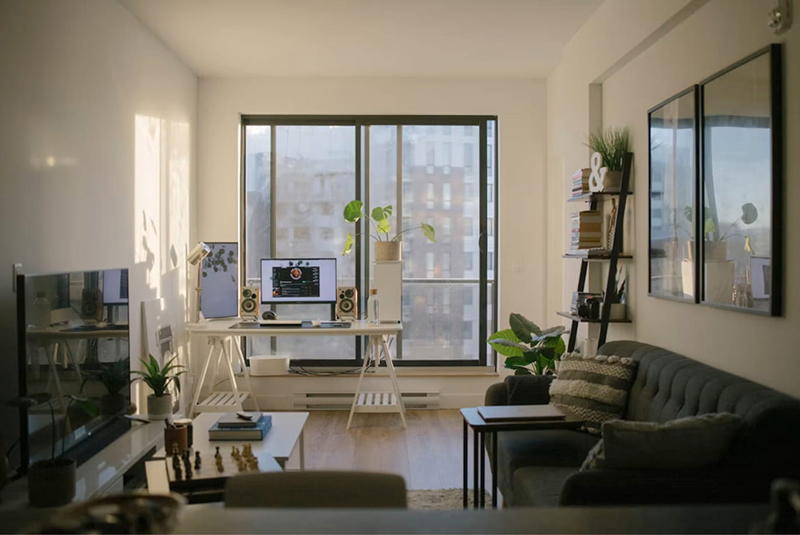
What ends up happening, every fall, is that students without a signed lease by move-in week default to short-term solutions just to have somewhere to sleep while they keep searching properly. A furnished student apartment — no year-long commitment, everything already set up, no need to buy a bed frame you’ll sell in April — has become less of a fallback and more of a first move for people who’d rather not sign a twelve-month lease from another country, or who landed in Montreal three weeks before classes with nothing lined up. It buys time to actually see a neighborhood before committing to it for a year, which is more than a lot of first-years get otherwise.
Money is the other piece nobody explains clearly enough before someone arrives, and it’s usually the part that causes the most stress once the semester actually starts. A published breakdown of the cost of living for students in Montreal usually shows rent eating close to a third of a typical student budget once utilities, transit passes, and groceries get added on top — right around the threshold housing economists consider the line into genuine affordability strain. For someone budgeting in a different currency, arriving without a Quebec credit history, a local guarantor, or even a Canadian bank account yet, that math gets harder before it gets easier. Many landlords still ask for proof of income or a co-signer that international and out-of-province students simply can’t produce in their first month, which knocks otherwise qualified renters out of the running for units they could easily afford.
Neighbourhood choice matters more this year than it usually does, too. Rosemont and Villeray sit farther from downtown campuses but have noticeably more availability and lower per-person costs than the Plateau or NDG, where students compete directly with young professionals for the same one-bedrooms. Anyone flexible enough to add fifteen minutes to a commute is working with a meaningfully bigger pool of options — the kind of trade-off that doesn’t show up in a rental listing but comes up constantly in conversations with people who found a place in under two weeks instead of two months.
So the city-wide numbers aren’t lying, exactly. They describe a market that includes luxury towers with empty units sitting downtown, retirees downsizing, and professionals working from home who no longer need to live near an office. That’s a different market than the one a nineteen-year-old with a suitcase and a September 3rd start date is actually shopping in. Ask them if things feel looser this year, and the answer is still no — and probably will be again next August, unless someone starts building the kind of apartment students can actually afford to share.
contributed post