Perhaps the sole idea of thinking about the post-pandemic period might be seen as unnecessary at this point. After all, we are still uncertain as to the stage of the pandemic in which we are right now. We hear the cautious signs sent by both, Prime Minister Justin Trudeau, and the Chief Public Health Officer Theresa Tam. Somehow, more impatient, we see our Premier François Legault, despite the critical situation in Quebec, particularly in Montreal.

However, regardless of whether COVID-19 will come under control and the crisis it brought will be overcome in a few months or a year or two, questions about what will happen after are already in the air. And the answers are many, although most coincide on one basic assumption—things will have to change. Of course, the nature of that change may vary according to the ideological positions and the interests represented by those who are doing the answering.
<p> </p>
Recognition for the job done by healthcare workers anywhere in the world has created a consensus that theirs is a type of job deserving much better salaries and social respect. And that goes not only for medical doctors and nurses, those in the frontline of this battle, but for all involved in the fight: orderlies taking care of seniors in residences, and those cleaning and sanitizing facilities. This means that at least on this item, the future may look brighter than what has been so far.
In other areas of society, however, consensus might be more challenging to reach. Take transportation, for instance: the current situation where social distancing is a must has created a justified fear of boarding buses or the metro. At the time when more economic activities reopen, there would be more riders and, therefore, possibilities for contagion may increase. This situation may, in fact, reverse a previous trend: the replacement of the private car as a preferred means of transportation. So far, in Montreal and other cities, signs are contradictory: some pedestrian spaces have been enlarged—taking away space from parking or traffic. However, at the same time, more people afraid of using public transportation are driving their cars again. Of course, for some, the bicycle is another popular option. However, in a city with a five-month winter, it is a limited choice.
<p> </p>
Environmentalists would like to see a greener economy, and some try to find links between the coronavirus and the depletion of the natural habitat for some species or even the effect of climate change on this crisis. Old habits are hard to die though, as illustrated by people here in some Montreal parks or beaches in Vancouver who tend to forget all measures of personal and social care, to indulge in what they—selfishly—regard as a kind of birthright: to enjoy themselves totally disregarding other people’s well-being. That without forgetting the “covidiots” who have been demonstrating in favour of easing the current restrictions on physical distancing and demanding the reopening of all the economy.
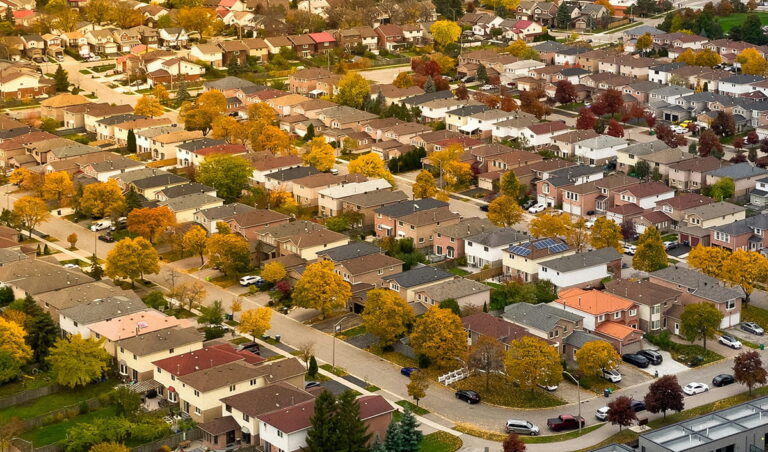
Since most people in Canada are concentrated in urban centres, the city as a human entity is central in any talk on the post-pandemic future. The tendency to work from home, generally well-received by employees, if prolonged after the crisis, may affect the demand for office space. Perhaps we will see many empty or half-filled towers downtown—no good news for commercial real estate developers.
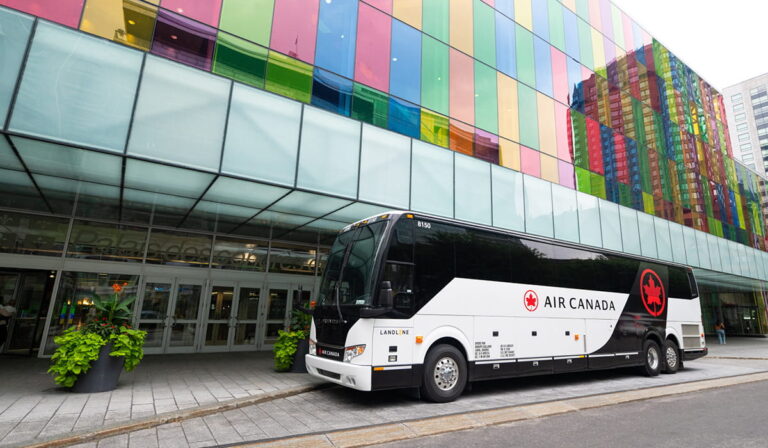
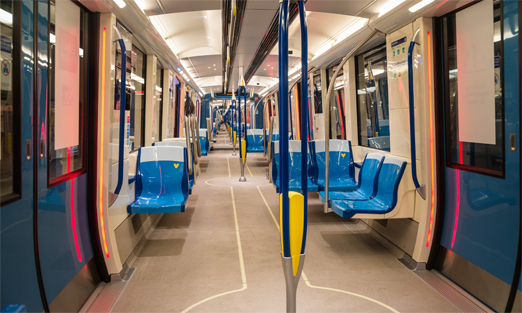
If the virus remains as a fact of life and there is no vaccine, people would have to learn to live with that contingency. Still, the city would have to adapt to that situation too. Perhaps not the kind of shielded personal vehicles that the Italian newspaper “Domenica del Corriere” envisioned in its edition of December 1962, but transit agencies in most cities, including Montreal, would have to redesign buses and metro cars. The goal of moving the most people possible would have to change to safely moving people separated from each other.
In the meantime, let’s keep thinking and imagining what we would like our urban setting look at the time when the worst of this crisis is over. New ideas are always necessary.
Feature image: If we have to live with COVID-19 for years to come, metro cars and buses would have to be redesigned to facilitate social distancing

Other articles from mtltimes.ca and totimes.ca