
What if better decisions come from knowing where trucks really go? Machines talk now through numbers sent each hour. Drivers avoid risky moves when feedback arrives fast. A pattern often shows up before crashes. Trucks move smarter because someone watches trends closely. Fewer delays occur as routes shift with traffic conditions. Safety grows not by rules alone but by alerts that arrive just in time. Productivity climbs without pushing harder, simply by adjusting.
Out there, smarter tracking changes how teams manage trucks. Vehicles share live updates – routes adjust before problems grow. Drivers stay safer when patterns reveal risks early. Decisions come alive with facts pulled straight from engines and roads. Performance climbs because delays shrink. Risks drop without waiting for accidents to learn. Insight comes not from guesses but from signals sent every mile. Business moves more smoothly when each choice rests on what actually happens.
Real-Time Insights Improve Operational Control
Most advantages of data-powered fleet tools come down to instant updates. Right where a truck sits, how fast it moves, fuel levels, even driving habits – managers see it all live. Control shifts into high gear when details stream without delay.
When information shows up fast, companies adjust on the spot if something goes off track – say, slow roads or late arrivals. Because leaders see issues early, they fix problems before slowdowns occur, not after.
Enhancing Driver Safety Through Data Analysis
Most companies rely on drivers, so keeping them safe matters above all else. Thanks to tools that track how people drive, spotting danger becomes easier than waiting for accidents to happen. Sudden stops are clearly visible when software monitors daily trips across the fleet. Quick speed changes stand out just as much, pointing toward habits that could cause trouble later. Going too fast does not always mean intent, but patterns reveal what might need fixing.
Slow gains come when companies use this information to shape how they train drivers. Coaching gets sharper because it fits who needs what. Safer choices behind the wheel start to stick over time. Fewer crashes show up on the records later. Bills for fixes and coverage begin to shrink as a result.
Improving Productivity Through Route Optimization
Most of the time, how you plan paths is closely tied to daily truck performance. Efficiency shows up best when the timing lines up with where trucks need to be. Instead of guessing, smart systems pull past trips plus live updates to shape each journey. Traffic snarls, drop-off points, and even street types play a role.
Because routes are smarter, companies deliver more without needing extra hours. Less driving reduces fuel costs. Work moves faster, which customers notice right away. When things arrive on time, trust builds naturally.
Reducing Operational Costs with Predictive Insights
When things go wrong without warning, trucks sit idle – costing money fast. Because machines talk through data now, warnings come earlier, like a whisper before failure strikes. Instead of waiting for disaster, signals point to trouble weeks ahead. That means repairs happen sooner, avoiding bigger messes later.
When problems start showing up, companies keep an eye on engine reports, how far vehicles travel, and how they’re used – spotting weak spots before big trouble hits. Fixing small signs early means less time off the road, machines lasting longer, and spending drops slowly year after year.

Improved Decision Making Throughout the Fleet Process
Out there, live information flows into systems that help those who run vehicle groups stay sharp. Instead of guessing or digging through old paperwork, choices now come from what’s actually happening.
Besides tracking mileage, firms also monitor driver performance and delivery speed. One way they spot weak spots is by studying these details. With that insight, teams adjust their routines so things run more smoothly over time.
Integrated Fleet Management Systems
Fleet handling today goes beyond simply watching vehicles move. What you see now combines upkeep tasks, rule adherence, fuel use, and team scheduling into a single setup. Suddenly, it’s less about location alone.
Built around a full-picture mindset, take Radius as an example – delivering wide-reaching tools for companies managing fleets and mobile teams. These systems help streamline daily workflows while improving both alertness on the road and output over time. Performance gains come without added complexity. What stands out is how it fits together, piece by piece.
Enhancing Compliance and Risk Management
Fleet work across sectors must follow strict safety rules and accurately report details. Because these tasks matter so much, machines that store facts step in to assist. Instead, they watch how long drivers operate vehicles without pause. They also log checks done on each truck before trips begin. Maintenance logs get saved too – no delays, no gaps.
One path leads to better output automation, which makes it happen. Starting here means machines take over tasks. This shift opens doors where speed replaces delay. Doing more comes not from effort but from smart systems running steadily. Progress shows when work flows without pause.
Increasing Productivity Through Automation
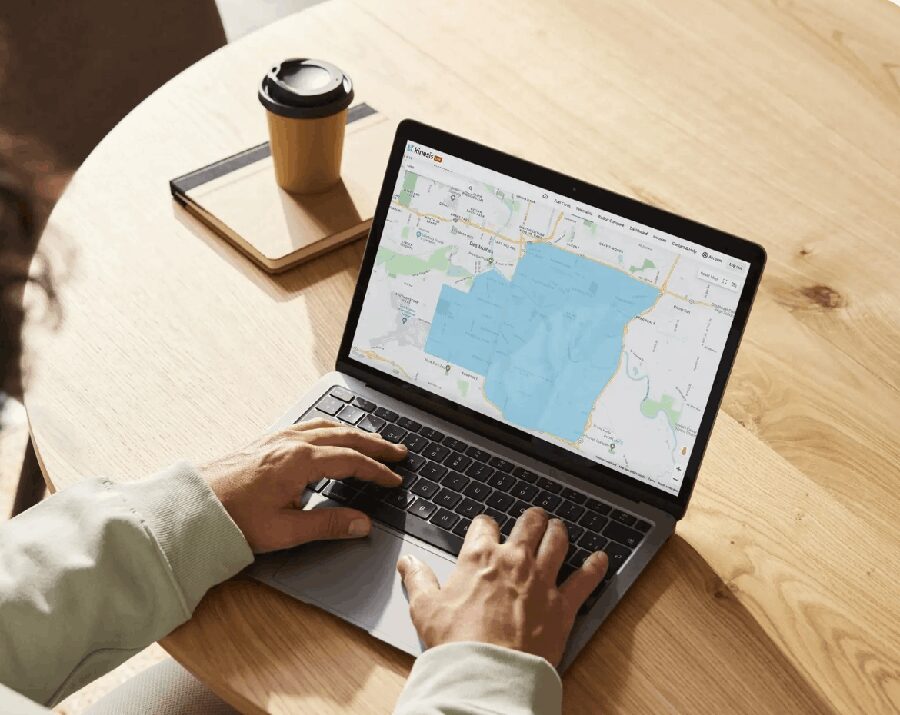
When data guides how fleets run, tasks such as logging reports or setting service alerts happen without constant oversight. Routine steps – planning pickups, tracking repairs – unfold on their own, which leaves managers more time for decisions that need human judgment.
When tasks run automatically, teams have more time to focus on planning and achieving better results. Because machines handle the work without slipping up, what gets done stays steady – productivity climbs as a result.
Supporting Long-Term Business Growth
As companies grow, overseeing many vehicles or complex machines becomes harder. Still, using data helps them expand smoothly while staying sharp and in charge.
Fleet operations spread widely when handled through online systems. One single view pulls everything together, no matter how many places get added. As expansion happens, rules stay the same without extra effort. Consistency just shows up, quietly.
Final Thoughts
Fleet operations now shift under pressure from better safety, sharper output, and fewer expenses – data pulls the lever. Live updates flow in, forecasts shape choices, and linked platforms handle tasks without pause. Smarter moves come through constant signals, pattern guesses, unified tech running beneath daily effort. Businesses stay ahead because information acts first, reacts fast, and holds nothing back.
Because transport demands keep shifting, firms using smart data tools tend to outpace rivals. Growth follows those who adapt fast. Strong results often come to players who tune in to patterns early. Tough markets favor the alert, not just the big. Success leans toward teams spotting changes before they hit.
lead photo by Natalie Marcelewicz