
Dry seasons have a way of changing the mood on a property. Paddocks that once looked reliable can start to thin out, dams drop lower than anyone would like, and every decision begins to carry a little more weight. For farmers and animal owners, it’s not just about getting through a tough patch. It’s about keeping animals healthy, maintaining condition where possible, and making practical choices before pressure turns into crisis.
That’s why drought feeding solutions matter so much when conditions become dry. Feeding during drought isn’t as simple as putting out more feed and hoping for the best. It takes planning, observation and an understanding of what animals need when pasture can no longer do the job on its own.
Drought Feeding Starts Before Things Get Desperate
One of the hardest parts of managing dry conditions is timing. It’s tempting to wait and see whether rain arrives, especially when feed costs are high and nobody wants to overcommit too early. But waiting too long can make the situation harder to recover from. Once animals lose too much condition, it can take more feed, more time and more stress to bring them back.
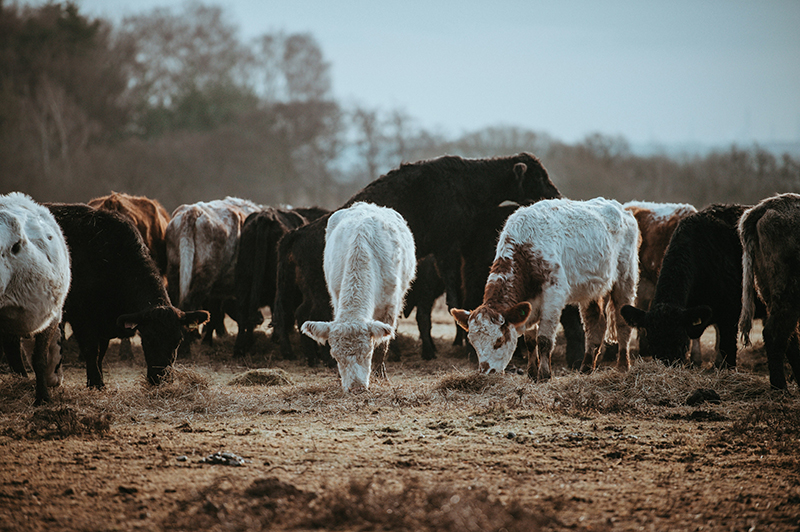
Early planning gives farmers more options. It allows time to assess pasture availability, calculate feed requirements, separate animals by need, and think carefully about which stock should be prioritised. Breeding animals, young stock, lactating animals and working animals may all require different levels of support, so a blanket approach isn’t always the most effective one.
Not All Feed Does the Same Job
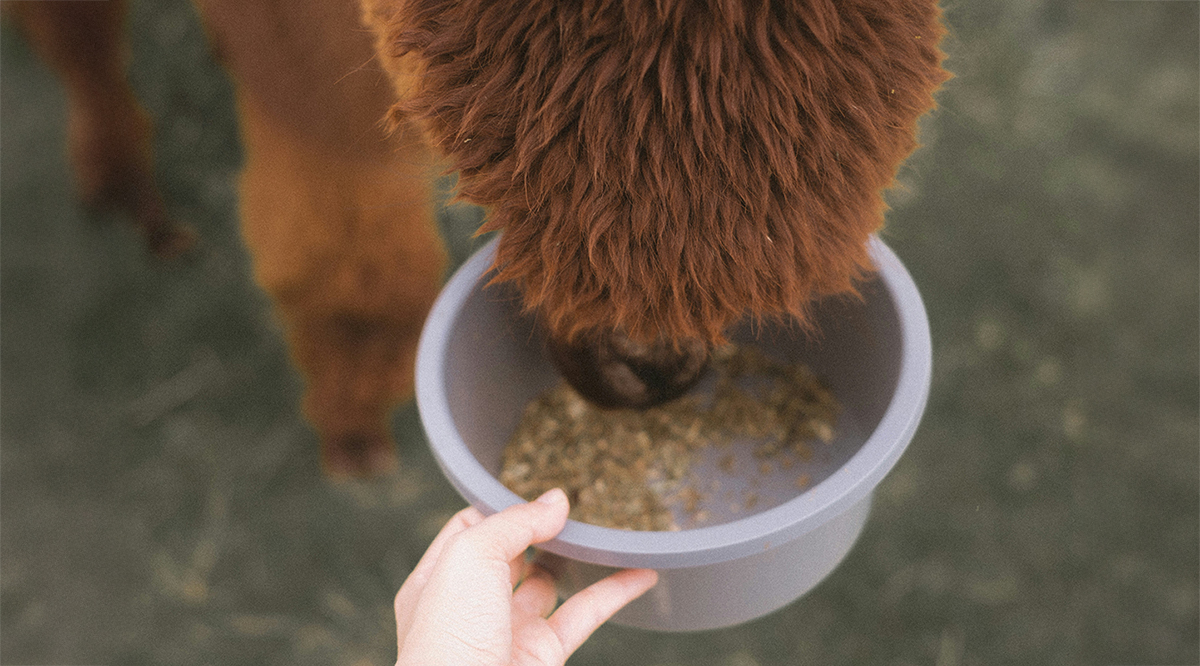
During drought, the goal isn’t just to fill animals up. Different feeds provide different benefits, and animals need the right balance of energy, protein, fibre, minerals and roughage depending on their species, age and condition. Hay, pellets, grains, supplements and lick blocks all have roles to play, but they need to be used thoughtfully.
A sudden change in diet can also create problems, particularly for livestock that aren’t used to concentrated feeds. Introducing feed gradually, monitoring intake, and ensuring animals have access to clean water can help reduce the risk of digestive issues. In a dry season, simple mistakes can become costly quickly, so the practical details really matter.
Water Is Part of the Feeding Conversation
Feed often gets most of the attention during drought, but water is just as important. Animals need reliable access to clean water, and their requirements can increase depending on temperature, diet and stress levels. Dry feed, salty supplements or higher-protein diets can also affect water intake.
Checking troughs, dams, pumps and water quality becomes part of the daily rhythm during dry periods. If animals have to walk too far, compete too heavily, or drink poor-quality water, their condition can suffer even when feed is being provided. Good drought management looks at the whole system, not just the feed bin.
The Emotional Weight Is Real Too
Drought decisions aren’t only financial or practical. They can be emotionally exhausting. Farmers often make hard calls while worrying about animals, weather forecasts, costs, family pressure, and long-term business impacts. It can feel like every choice is a compromise.
contributed post