For many teenagers, finding the right activity can have an impact that goes far beyond physical fitness. Urban sports such as skateboarding, BMX riding, street basketball, parkour, and inline skating give young people opportunities to move, practise, take risks, and connect with others in environments that feel energetic and authentic.
In Montreal, urban sports are becoming increasingly popular among teens who want alternatives to traditional organised athletics. These activities often take place in skateparks, public courts, community centres, and other shared spaces. They can be competitive, but they can also be completely recreational.
One of the most valuable benefits of urban sports is the way they help young people develop confidence and a sense of belonging. Progress may happen slowly, but every new skill, successful attempt, and supportive interaction can contribute to a teenager’s personal development.
Confidence Grows Through Small Achievements
Confidence is not built overnight. For many teenagers, it develops through repeated experiences of trying, making mistakes, and eventually improving. Urban sports create plenty of opportunities for this process.
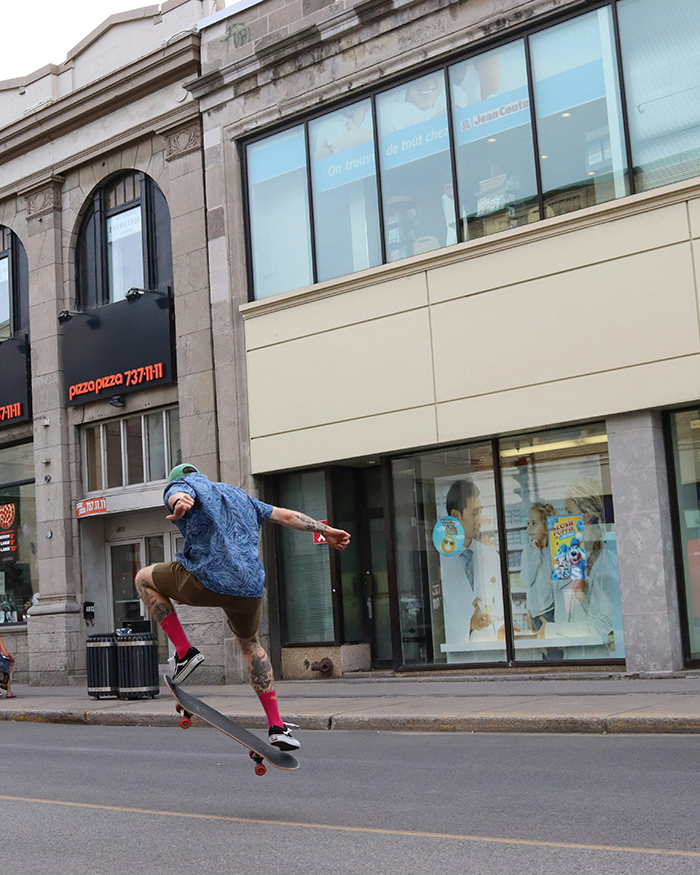
A teenager learning to skateboard, for example, may spend days practising balance, stopping, turning, or a basic trick. The first attempts may not go well. However, eventually, the movement becomes more comfortable. That moment of progress can create a powerful sense of achievement.
The same principle applies to BMX, parkour, street basketball, and other urban activities. Young people can set personal goals and work toward them at their own pace.
This is particularly valuable because progress is often visible. A teen can remember what they could not do a few weeks earlier and see how their ability has changed. That experience can strengthen the belief that effort can lead to improvement.
Learning to Handle Failure
Urban sports naturally involve mistakes. A trick may not work. A jump may require more practice. A shot may miss. A new movement may feel uncomfortable at first.
Rather than treating failure as something to avoid, these activities can teach teenagers how to respond to it. They learn to analyse what went wrong, make adjustments, and try again.
This mindset can be useful outside sports. School assignments, social situations, and future work experiences also involve setbacks. A teenager who becomes comfortable with the idea that mistakes are part of learning may be more willing to take on new challenges.
The key is that the environment should encourage safe and responsible practice. Positive instruction and appropriate equipment can help young people develop skills while managing risks.
Urban Sports Create Natural Social Connections
One of the biggest advantages of urban sports is the community that develops around them. Teenagers often meet others who share similar interests at skateparks, courts, recreation centres, and local events.
These connections can develop naturally. Young people may begin by watching others practise. Over time, they may start conversations, share advice, or encourage one another.
Unlike some traditional social environments, urban sports communities often bring together people with different backgrounds and skill levels. A beginner may learn from someone more experienced, while experienced participants can benefit from teaching and encouraging others.
This creates a sense of shared progress. Everyone understands what it feels like to learn something difficult.
Mentorship Can Make a Major Difference
Many teens benefit from guidance when learning a new sport. A supportive coach or experienced participant can help young people develop skills while also encouraging patience and persistence.
Structured programs can be especially useful for beginners who may feel nervous about entering an unfamiliar environment. For example, GOSKATE lessons can provide young learners with structured instruction while helping them develop confidence through progressive skill-building.
The role of an instructor is not simply to demonstrate techniques. Good instruction also involves understanding the learner’s pace, providing constructive feedback, and creating an environment where mistakes are treated as part of the learning process.
Public Spaces Can Become Places of Belonging
Urban sports often make use of public spaces that already exist within a city. Skateparks, basketball courts, outdoor recreation areas, and community facilities can become important meeting points for young people.
These spaces can provide more than opportunities for exercise. They can become places where teens spend time with friends, meet new people, and develop a connection to their neighbourhood.
Having access to welcoming recreational spaces can also help young people feel more connected to their communities. Instead of seeing public areas as places they simply pass through, they may begin to view them as spaces where they belong.
Creativity Is an Important Part of Urban Sports
Urban sports are not always about following a fixed routine. Many activities encourage creativity and personal expression.
A skateboarder may approach an obstacle in a unique way. A parkour participant may find different ways to move through a space. A street basketball player may develop an individual style of play.
This freedom allows teenagers to express themselves. They can experiment with movement, develop their own style, and find approaches that match their personalities.
Creative freedom can be especially valuable during adolescence, a period when young people are developing their identities and exploring how they want to express themselves.
Urban Sports Encourage Healthy Physical Activity
Teenagers need regular physical activity, but not every young person enjoys traditional team sports or gym-based exercise. Urban sports can provide a more appealing alternative.
The activities can improve balance, coordination, flexibility, strength, endurance, and body awareness. Because many urban sports are skill-based, participants may remain motivated by the desire to improve rather than simply completing a workout.
The social element can also make physical activity more enjoyable. A teenager may be more likely to spend time practising when friends are involved or when the activity feels like part of a community.
According to the World Health Organization, regular physical activity can benefit young people’s physical and mental health, while reducing sedentary behaviour. Activities that teenagers genuinely enjoy can make it easier to build consistent movement into their routines.
Competition Can Build Confidence When Managed Well
Urban sports can be competitive, but competition does not have to be the main goal. Some teens enjoy entering competitions, while others prefer to focus on personal progress.
When competition is approached positively, it can help teenagers set goals and challenge themselves. Preparing for an event may encourage discipline and commitment.
However, the most supportive environments recognise that participants develop at different speeds. A teenager should not feel that their value depends on winning or performing at the same level as someone else.
Personal improvement can be just as meaningful as competition results.
Urban Sports Help Teens Develop Responsibility
Learning an urban sport often requires responsibility. Participants need to take care of their equipment, follow safety guidelines, respect shared spaces, and consider the people around them.
These habits can help young people develop independence. They learn to prepare for practice, manage their equipment, and make decisions about how to approach challenges.
Older or more experienced teens may also take on informal leadership roles. They might help beginners, share advice, or contribute to the positive culture of a local sports community.
A Second Opportunity to Build Confidence
Not every teenager immediately finds their place in traditional sports. Some may feel uncomfortable in highly competitive team environments or may not connect with conventional athletic programs.
Urban sports offer another pathway. A teenager who does not enjoy one type of activity may discover that skateboarding, BMX, parkour, or another urban sport suits them better.
For some participants, this can be an important confidence-building experience. Finding an activity where they feel capable and accepted can change how they view themselves.
Building Stronger Communities Through Youth Sports
Urban sports can benefit more than individual participants. When cities provide safe, accessible spaces for these activities, they create opportunities for young people to gather in positive environments.
Community programs, local instructors, recreation organisations, and families all have a role to play in supporting these opportunities. Accessible programs can help ensure that teens from different backgrounds have the chance to participate.
A strong urban sports community is not built only through facilities. It also depends on respect, encouragement, mentorship, and a willingness to welcome beginners.
The Lasting Impact of Urban Sports
The benefits of urban sports can continue long after a teenager learns a particular trick, movement, or technique. The confidence gained from practising a difficult skill can influence other areas of life.
Young people learn that improvement takes time. They discover how to handle mistakes, accept feedback, set goals, and support others. They also develop connections with people who share their interests.
For Montreal teens, urban sports can provide an important combination of physical activity, creativity, social connection, and personal growth. Whether a young person participates casually with friends or trains regularly with an instructor, the experience can help them become more confident and connected.
The most important lesson may be that progress does not have to look the same for everyone. In urban sports, every participant can follow their own path, learn at their own pace, and find a community where their effort is recognised.