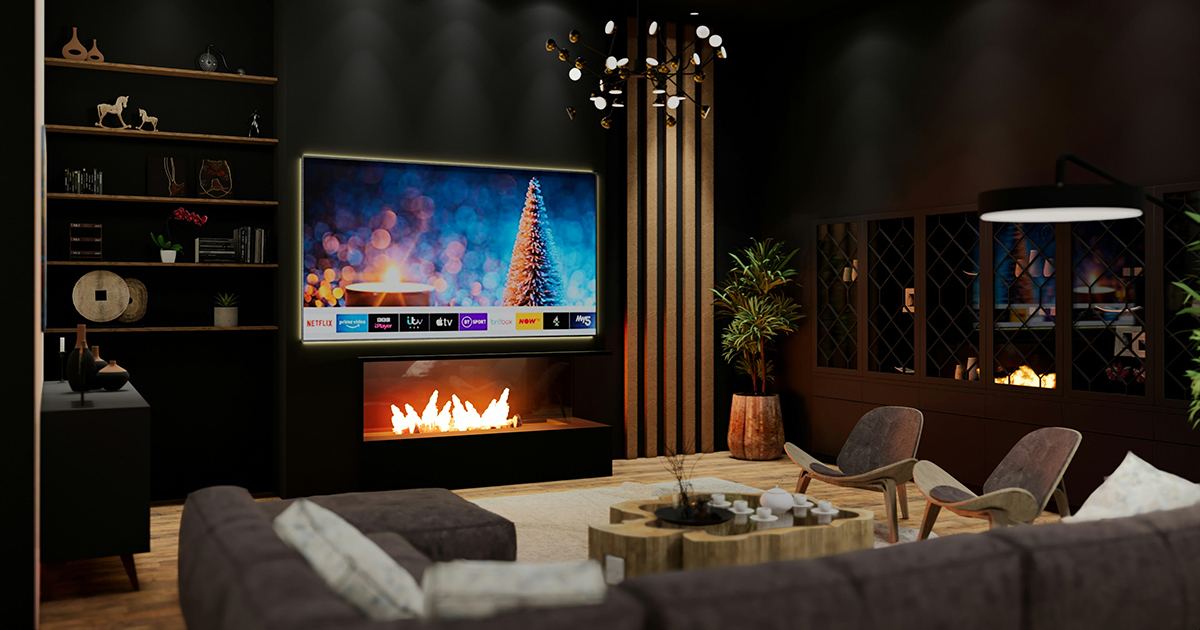
Home Entertainment Is Becoming the Centre of Family Life
Over the past few years, the living room has evolved into more than just a place to watch television. For many Montreal families, it has become a shared space for movie nights, live sports, educational content, video calls with relatives, and gaming sessions. Advances in display technology, faster internet connections, and connected devices have made it easier than ever to create an enjoyable entertainment experience without leaving home.
As households compare different platforms and viewing solutions, many also research options such as Montreal IPTV service alongside other digital media platforms to understand device compatibility and available features. Regardless of the service selected, families should always use authorized content providers and comply with applicable licensing agreements.
Why Families Are Investing More in Home Entertainment
Creating a comfortable entertainment setup is no longer considered a luxury. Many families now see it as part of improving everyday quality of life.
Popular reasons include:
- Spending more time together.
- Reducing trips to cinemas.
- Supporting remote work and learning.
- Enjoying live sporting events at home.
- Accessing educational and documentary content.
Modern entertainment spaces often serve multiple purposes throughout the day.
Choosing the Right Television
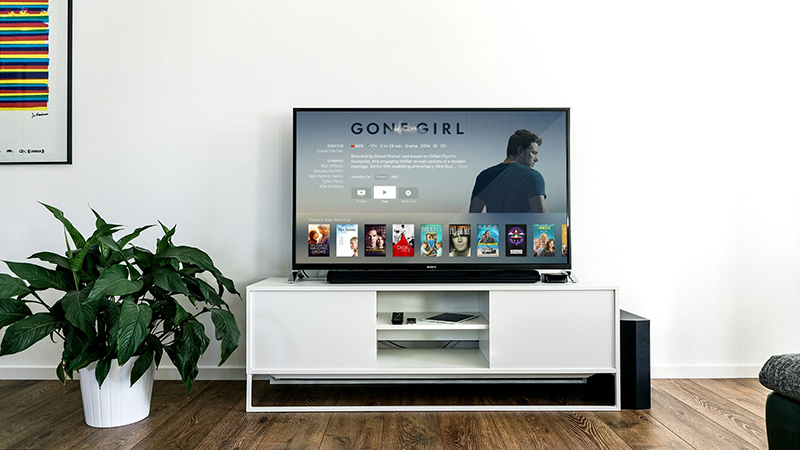
The television remains the centerpiece of most entertainment rooms.
When selecting a TV in 2026, families typically compare:
Screen Size
A larger screen can improve immersion, but it should match the size of the room and viewing distance.
Display Technology
Consumers commonly choose between:
- OLED
- QLED
- Mini-LED
- Standard LED
Each offers different strengths in brightness, contrast, and energy efficiency.
Resolution
While Full HD remains suitable for many households, 4K has become the preferred choice for new television purchases due to improved clarity and future compatibility.
Creating a Comfortable Viewing Environment
A great entertainment setup is about more than buying expensive equipment.
Families often improve comfort by focusing on:
- Proper seating placement.
- Controlled lighting.
- Reduced screen glare.
- Comfortable furniture.
- Organized cable management.
These simple improvements often make a bigger difference than upgrading hardware alone.
Comparison: Basic vs Optimized Entertainment Setup
| Feature | Basic Setup | Optimized Family Setup |
| Display | Standard TV | 4K Smart TV |
| Audio | TV Speakers | Soundbar or Speaker System |
| Internet | Standard Wi-Fi | Optimized Home Network |
| Lighting | General Room Light | Adjustable Ambient Lighting |
| Device Support | Limited | Multiple Connected Devices |
Reliable Internet Makes the Biggest Difference
Even the best television cannot compensate for an unstable internet connection.
Families should consider:
Router Placement
Position the router centrally to improve signal coverage.
Modern Wi-Fi Standards
Newer Wi-Fi technologies support multiple connected devices more efficiently.
Software Updates
Keeping routers and devices updated improves both security and performance.
Network Management
Prioritizing entertainment devices during busy periods can help maintain smoother playback.
Audio Quality Shouldn’t Be Overlooked
Picture quality often receives most of the attention, but audio plays an equally important role.
Many families choose:
- Compact soundbars.
- Wireless speakers.
- Entry-level surround systems.
- Headphones for late-night viewing.
Clear dialogue and balanced sound can greatly improve the overall experience.
Organizing Devices for Simplicity
Entertainment rooms often include several connected devices.
Examples include:
- Smart TVs.
- Streaming devices.
- Gaming consoles.
- Blu-ray players.
- Tablets.
- Smartphones.
Keeping cables organized and using clearly labeled HDMI inputs helps make the system easier for every family member to use.
Smart Features Continue Expanding
Modern Smart TVs now offer:
- Voice assistants.
- Personalized recommendations.
- Multiple user profiles.
- Screen casting.
- Home automation integration.
These features make everyday entertainment more convenient while allowing each family member to customize their viewing experience.
Learning About Different Viewing Platforms
When comparing connected entertainment platforms, some households also explore Primestelly IPTV and other digital media services to understand supported devices, subscription information, and available features. Regardless of the platform selected, users should always choose legitimate services that respect copyright laws and licensing requirements.
Smart Technology Is Reshaping Family Entertainment
Home entertainment is no longer limited to watching television. Today’s connected households often combine streaming, gaming, music, fitness apps, educational platforms, and smart home controls into one integrated experience.
Many families now expect entertainment systems that are simple to use for every age group. Features such as voice control, universal remotes, personalized user profiles, and automatic software updates help reduce complexity while making everyday viewing more enjoyable.
Industry Trends Supporting Modern Home Entertainment
Independent research continues to show that households around the world are investing in connected entertainment technology.
Case Study 1: Smart TV Ownership Continues Growing
According to Statista, Smart TV adoption has continued to increase globally as consumers replace older televisions with internet-connected models offering built-in applications and voice assistants.
Case Study 2: Streaming Represents a Large Share of TV Viewing
Research from Nielsen’s The Gauge shows that streaming now accounts for a significant portion of television viewing time, reflecting changing media consumption habits.
Case Study 3: Video Continues to Dominate Internet Traffic
The Sandvine Global Internet Phenomena Report consistently identifies video streaming as the largest category of internet traffic worldwide, highlighting the importance of reliable home networks.
Case Study 4: Canadians Continue Expanding Connected Homes
Research from Statistics Canada indicates that internet adoption and connected household technologies continue growing, supporting increased use of online entertainment and digital services.
Home Entertainment Statistics Snapshot
| Industry Metric | Current Trend |
| Smart TV ownership | Continues increasing worldwide |
| Streaming television usage | Growing annually |
| Connected home devices | Expanding across households |
| Internet video traffic | Largest category globally |
| Multi-device viewing | Common in modern families |
These trends illustrate why manufacturers continue improving televisions, networking equipment, and connected home technologies.
Practical Tips for Building a Better Entertainment Space
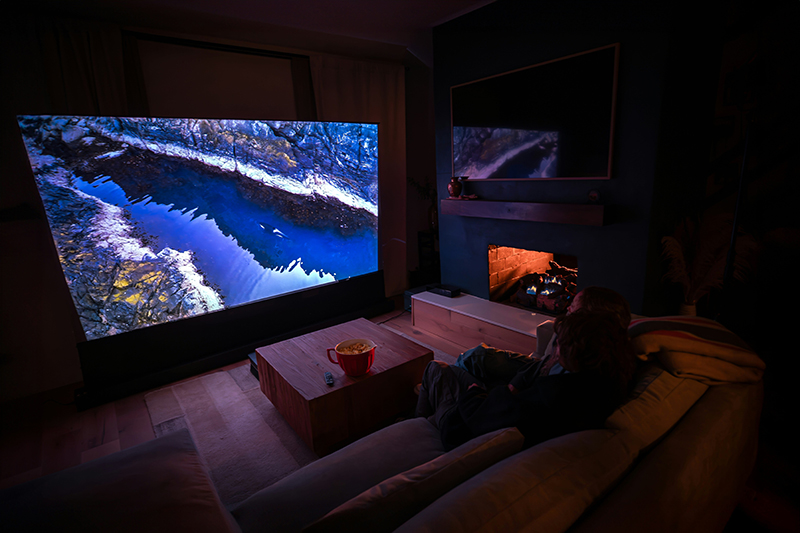
A modern setup doesn’t necessarily require expensive equipment. Small improvements often produce noticeable results.
Consider these recommendations:
- Position seating at a comfortable viewing distance.
- Use wired Ethernet connections where practical.
- Keep streaming devices and televisions updated.
- Reduce glare with adjustable lighting.
- Organize cables to improve safety and appearance.
- Create separate user profiles for family members.
- Regularly restart networking equipment to maintain performance.
These simple habits can help maximize both comfort and reliability.
Energy Efficiency Is Becoming More Important
Many Montreal households are also considering long-term energy costs when upgrading entertainment equipment.
Energy-saving practices include:
- Selecting energy-efficient televisions.
- Enabling automatic sleep timers.
- Adjusting screen brightness based on room lighting.
- Turning off devices instead of leaving them on standby when not in use.
These adjustments may reduce electricity consumption without affecting the viewing experience.
Preparing for the Future
Entertainment technology continues evolving rapidly. Over the coming years, families can expect further improvements in:
- AI-powered content recommendations.
- Voice-controlled home automation.
- Faster Wi-Fi standards.
- More immersive audio formats.
- Enhanced accessibility features.
- Improved cloud-based media delivery.
These developments will likely make home entertainment systems even more intuitive and personalized.
Exploring Different Home Entertainment Options
As home entertainment technology continues to evolve, families have more viewing choices than ever before. Many households compare traditional cable, satellite television, over-the-air broadcasts, and IPTV to determine which option best matches their viewing habits, device compatibility, and household budget. Before choosing any platform, it’s important to evaluate factors such as picture quality, customer support, supported devices, privacy practices, and subscription terms.
Regardless of the technology selected, families should always use authorized and properly licensed services to enjoy a safe, reliable, and high-quality entertainment experience.
Creating an Entertainment Space That Brings Families Together
A thoughtfully designed home entertainment setup is about more than technology. It creates opportunities for families to relax, celebrate special occasions, enjoy films, follow sporting events, and spend meaningful time together.
By combining reliable internet, modern displays, quality audio, comfortable furniture, and secure connected devices, Montreal households can build entertainment spaces that remain enjoyable for years to come. As technology continues advancing, today’s living rooms may soon become even more interactive and personalized, but what new innovations will define the family entertainment experience of tomorrow?
Frequently Asked Questions
1. What size television works best for most family rooms?
The ideal size depends on room dimensions and viewing distance, but many households now choose televisions between 55 and 75 inches.
2. Is a soundbar worth adding?
For many families, a soundbar significantly improves dialogue clarity and overall audio quality without requiring a complex speaker setup.
3. How important is internet speed?
A stable connection is often more important than maximum speed. Reliable Wi-Fi, updated routers, and minimal network congestion contribute to better performance.
4. How often should entertainment devices be updated?
Checking for firmware and software updates every few weeks helps improve security, compatibility, and overall system stability.
5. What should families prioritize when upgrading?
Most experts recommend focusing first on display quality, reliable networking, comfortable seating, and audio improvements before purchasing additional accessories.