
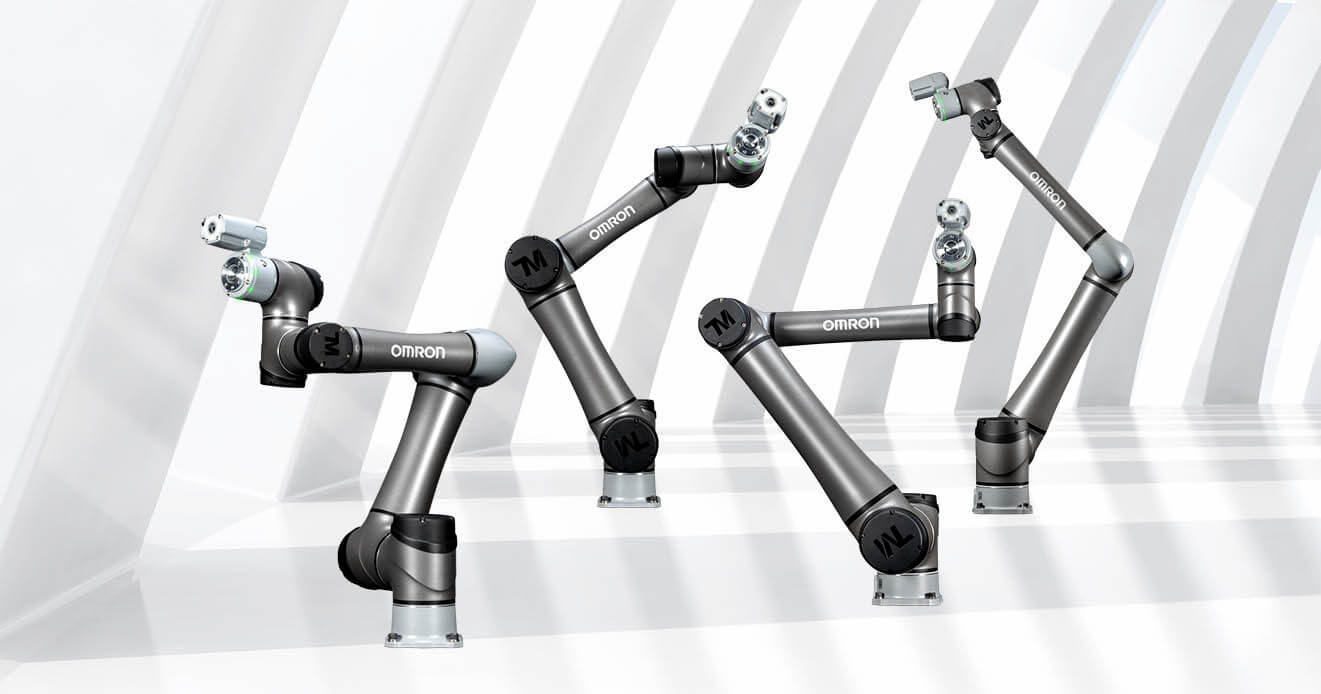
In the evolving manufacturing landscape, the integration of technology is paramount to staying competitive. One of the most transformative innovations in this space is the advent of collaborative robot arms, commonly referred to as cobots. These versatile machines are not only enhancing productivity but also reshaping how factories operate. This article looks into the significance of collaborative robot arms in factory automation, exploring their features, applications, benefits, and future potential.

Understanding Collaborative Robots
Collaborative robots are designed to work alongside human operators, offering a unique blend of functionality and safety. Unlike traditional industrial robots, which often operate in isolated environments for safety reasons, cobots can work directly with humans, thanks to their advanced safety features.
What Differentiates Cobots from Traditional Industrial Robots
The primary distinction between collaborative robots and their traditional counterparts lies in their design and operational philosophy. Cobots are equipped with safety features that allow them to detect human presence and adjust their movements accordingly. This includes force-limited operation, which means that if a human accidentally comes into contact with a cobot, it will stop or slow down to prevent injury. Furthermore, cobots are user-friendly, often featuring intuitive programming interfaces that allow even non-technical staff to program and operate them.
Types of Collaborative Robots
Cobots come in various forms to suit different tasks and industries. Universal cobots, such as the UR series from Universal Robots, are popular for their versatility and ease of use. These robots can be employed in multiple roles, from assembly to inspection. Additionally, there are specialised cobots designed for specific functions, such as painting or material handling, which can optimise processes within those niches.
Key Components of Cobots
The effectiveness of collaborative robots stems from their sophisticated components. Sensors and vision systems play a crucial role, enabling cobots to perceive their environment and make real-time adjustments. Control systems and software allow for seamless communication between the cobot and human operators, facilitating smooth collaboration.
Advantages of Collaborative Robot Arms in Factory Automation
The adoption of collaborative robot arms brings numerous advantages to manufacturing processes, enhancing productivity and ensuring worker safety.
Enhanced Productivity and Efficiency
One of the most compelling reasons for integrating cobots into production lines is their ability to boost productivity. Cobots can work tirelessly without the need for breaks, resulting in increased output rates. Additionally, their precision reduces errors, thus minimising cycle times and enhancing overall efficiency.
Flexibility in Manufacturing Processes
Cobots are designed to be adaptable. Unlike traditional robots, which often require extensive reprogramming for different tasks, cobots can be quickly reconfigured for various applications. This flexibility is invaluable in today’s manufacturing environment, where rapid changes in production needs are common. Manufacturers can pivot quickly to meet market demands, optimising their operations.
Improved Worker Safety and Ergonomics
Worker safety is a paramount concern in manufacturing. Collaborative robots significantly enhance safety by reducing the risk of injury. Their design allows them to work alongside humans without the need for safety cages, fostering a more collaborative work environment. Moreover, cobots can take over repetitive or physically demanding tasks, reducing strain on workers and improving overall ergonomics.
Applications of Collaborative Robot Arms
Collaborative robots have found applications across various sectors, demonstrating their versatility and effectiveness in enhancing manufacturing processes.
Assembly Line Integration
In assembly lines, cobots can work alongside human operators to perform repetitive tasks such as screwing, fastening, and sorting. By taking on these tasks, they free up human workers to focus on more complex activities that require cognitive skills, thus improving overall efficiency.
Material Handling and Logistics
Cobots are also instrumental in material handling, where they can transport goods, load and unload items, and manage inventory. Their ability to navigate tight spaces and interact with other machines makes them invaluable in logistics and warehousing.
Quality Control and Inspection
Quality control is crucial in manufacturing, and cobots can assist in inspection processes. Equipped with advanced vision systems, cobots can identify defects, measure dimensions, and ensure that products meet quality standards, all while operating at high speeds.
Packaging and Palletising
In packaging operations, cobots can handle various tasks, including packing products into boxes and palletizing for shipment. Their precision and speed enhance productivity, allowing for efficient workflow in busy manufacturing environments.
Challenges and Considerations
While the advantages of collaborative robot arms are substantial, several challenges must be addressed to facilitate their successful integration into existing systems.
Integration with Existing Systems
Integrating cobots into traditional manufacturing environments can pose challenges, particularly regarding compatibility with legacy equipment. Manufacturers must assess whether their current systems can support the introduction of cobots without significant overhauls. Additionally, training workers to effectively use and interact with cobots is essential for maximising their potential.
Cost Considerations
The initial investment in cobots can be significant, leading some manufacturers to hesitate. However, it’s crucial to consider the long-term savings and increased productivity cobots offer. Calculating return on investment (ROI) can help justify the costs and highlight the benefits over time.
Addressing Misconceptions about Cobots
There are several misconceptions surrounding collaborative robots, particularly regarding job displacement. While some fear that cobots will replace human workers, the reality is that they enhance job roles, allowing humans to focus on higher-level tasks that require creativity and critical thinking. Additionally, safety concerns must be addressed through proper training and adherence to regulations.
Conclusion
Collaborative robot arms are proving to be a key tool in factory automation, offering numerous advantages that enhance productivity, flexibility, and worker safety. As technology continues to advance, the role of cobots will become increasingly significant in shaping the future of manufacturing. By embracing robot automation, manufacturers can optimise their processes, adapt to changing market demands, and ultimately drive growth in an ever-evolving landscape. As the industry continues to evolve, the collaboration between humans and machines will pave the way for a more efficient and innovative future.
Other articles from mtltimes.ca – totimes.ca – otttimes.ca