Anonymity online is often treated as a problem to solve or a freedom to defend. In practice, it is more complicated: the ability to speak without attaching a legal name can protect people who need privacy, while also making it harder for communities to respond when someone causes harm. That tension is part of a much older human question: how do groups create trust among people who do not know one another?
Online, people gather around shared interests, identities and arguments much as they do in neighbourhoods, clubs or workplaces. The difference is that a username can travel across years and platforms, while the person behind it may remain unknown. Debates about regulation and contentious online spaces, including the dispute involving Ofcom, 4chan and Kiwi Farms, bring that question into view: what should happen when the norms of a digital group conflict with laws or expectations outside it?
Anonymity Is Not the Same as Having No Identity
Most people who post under a handle are not truly anonymous in every sense. They may be recognizable to a small group, maintain a consistent account over time, or share personal details that gradually make them identifiable. A pseudonym can function as a social identity: other members learn someone’s habits, expertise and history without knowing their offline name.
That separation can be valuable. A person asking about a medical condition, discussing family history, reporting workplace misconduct or exploring a stigmatized identity may have good reason not to connect those conversations to their public profile. For ancestry researchers, too, online forums can make it easier to ask sensitive questions about adoption, family estrangement or uncertain parentage without immediately disclosing personal details.
At the same time, a screen name does not erase responsibility. People can build reputations and relationships under pseudonyms, and moderators can set expectations for how members treat one another. The useful distinction is not simply “real name versus anonymous,” but what information a community needs, who can access it and what safeguards exist when a boundary is crossed.
Communities Need Rules That Fit Their Purpose
A small group exchanging wildlife photographs has different risks from a large forum discussing politics or personal safety. Rules should reflect the community’s purpose, the vulnerability of its members and the likely consequences of disclosure. Requiring everyone to use a legal name may discourage harassment in some settings, but it can also exclude people who face risks at home or work.
Clear, consistently applied rules can do more than a blanket identity requirement. Members should be able to understand what counts as harassment, threats, targeted exposure of private information or repeated disruption. They should also know how to report a concern, what moderators can do and whether an appeal is possible. These processes do not guarantee agreement, but they make decisions less arbitrary.
Moderation becomes especially difficult when a community crosses borders. A platform’s users may live in many countries, each with different laws and standards for speech, privacy and safety. A service may also have to respond to lawful requests while explaining its decisions to users. That makes transparency important: people should be told, as clearly as possible, what information is collected and how content decisions are made.

Think About Privacy Before Joining or Posting
Individuals can take practical steps to reduce unwanted exposure without assuming that any account is perfectly private:
- Separate identities where it matters. Avoid reusing a distinctive username across personal and sensitive accounts.
- Check what a post reveals. A photo, location detail or combination of small facts can identify someone even when their name is absent.
- Read the community’s rules. Look for information about moderation, data retention and how to contact administrators.
- Pause before escalating a conflict. Publicly sharing someone’s personal information can create lasting harm and may put them at risk.
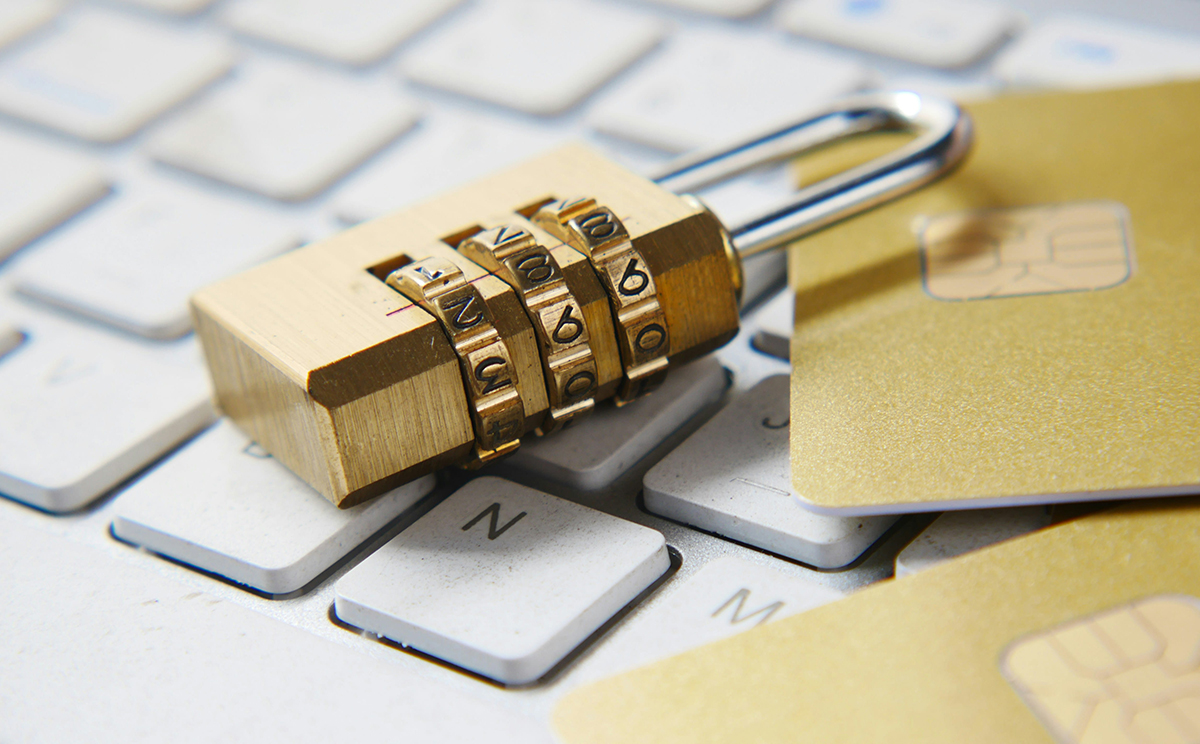
- Use available account protections. Strong, unique passwords and multifactor authentication help protect accounts from takeover.
These precautions are not a substitute for responsible platform design. They are a reminder that privacy is partly a shared practice: the choices of one member can affect everyone else in a conversation.
The People Who Build the Spaces Matter, Too
Digital communities depend on more than their members and moderators. Developers build the features that shape how accounts, messages and reports work; designers influence what users notice; and support teams handle problems when systems fail. Those decisions can make a platform safer or more confusing, regardless of the community’s written rules.
For organizations planning a website or community tool, hiring across borders can be part of that work. Osdire’s guide to freelance web developer rates by country compares costs in the United States, India and the Philippines. Price is one consideration, but so are communication, security practices, accessibility and a clear agreement about who can access user data. A well-built reporting tool, for example, should protect the person filing a complaint as well as the person being reported.
Anonymity is neither a guarantee of good behaviour nor an invitation to assume the worst about strangers. It is one way people manage identity and risk in groups, online and off. Communities work best when they protect legitimate privacy, set understandable boundaries and take harm seriously—without pretending that a legal name alone can create trust.
contributed post