Most people who move to Montreal in winter believe they know what to expect. They’ve read about the snow, checked the weather forecasts, and maybe even bought a new coat before arriving. But what often goes unnoticed is not the cold itself, but everything that comes with it: the pace of daily life changes, time moves differently, and even the simplest decisions—like when to leave home in the morning—start revolving around weather conditions.
According to Environment and Climate Change Canada, Montreal averages around 148 days per year with temperatures at or below 0 °C, and the winter season generally stretches from early December to mid-March. In practice, that often feels longer. During January and early February, wind chill regularly pushes perceived temperatures to –20 °C or lower.
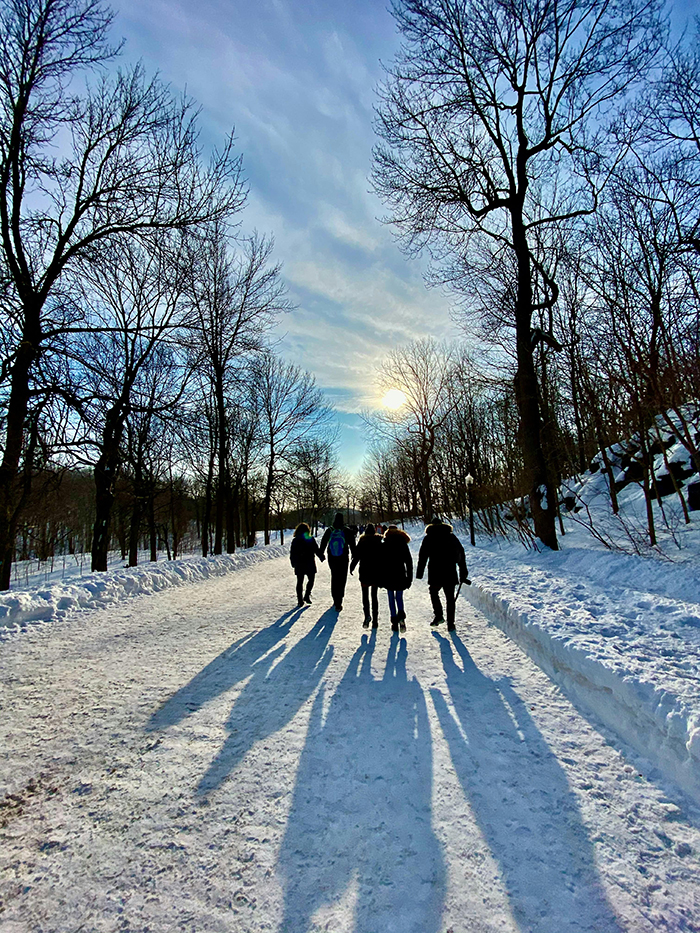
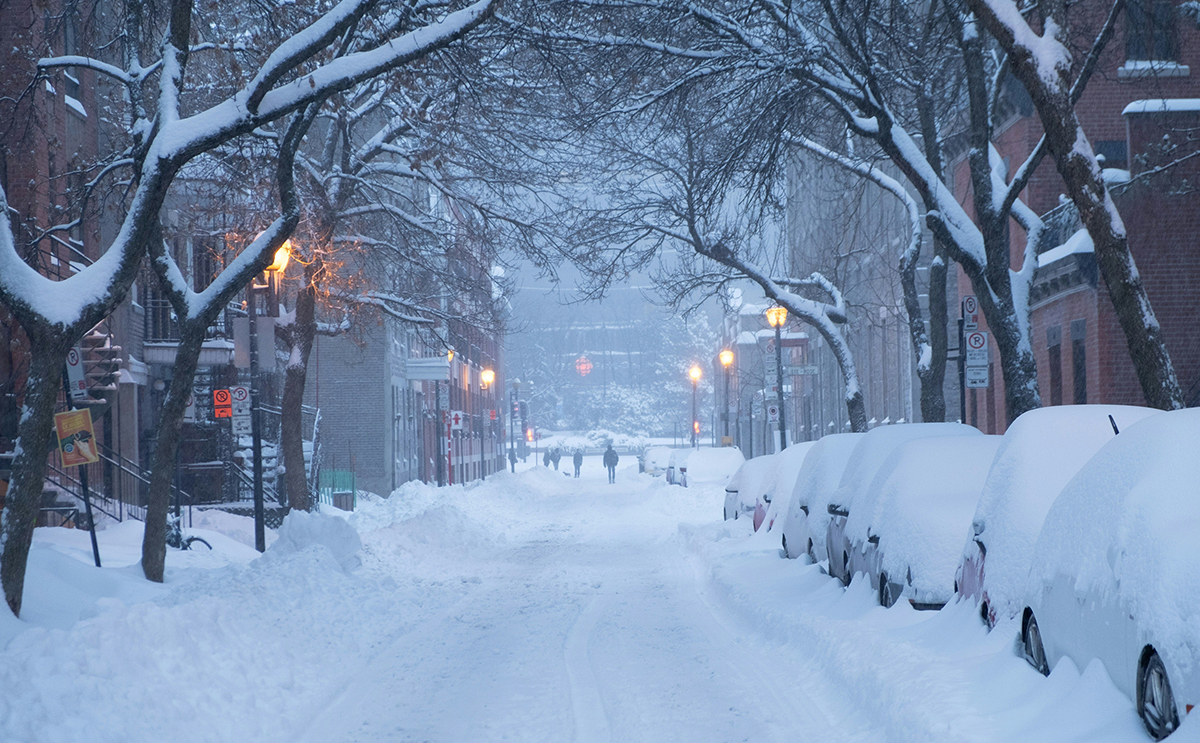
And it’s not just the cold—approximately 209 cm of snow falls across the city every year (Ville de Montréal, 2024). Some days it appears gradually. Other mornings you wake up to what feels like an entirely different landscape.
So yes, when people ask if Montreal winter is “that bad”, the answer is: it depends on how prepared you are for the rhythm, not just the temperature.
Montreal Winter & Cold Temperatures: Why It Often Feels Colder Than Expected
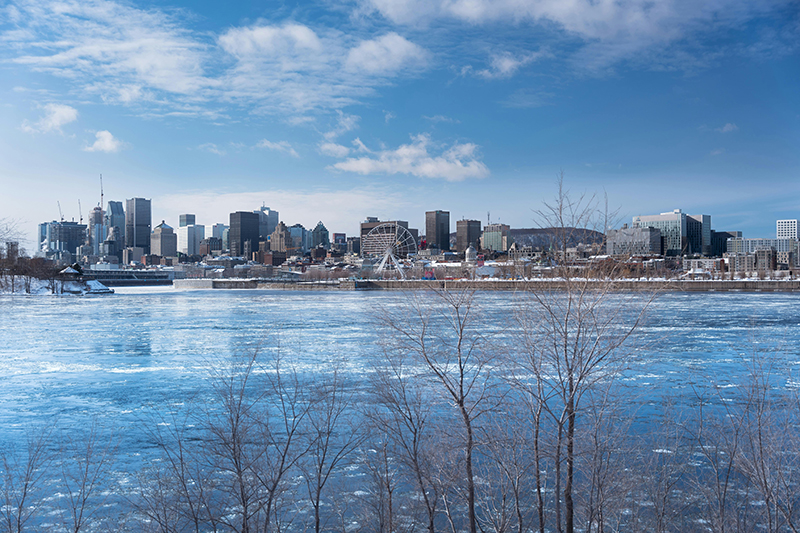
Looking at the forecast is useful, but only partially. The number you see on the screen rarely tells the whole story. Wind, humidity, the time of day and whether the sun is out—all of that matters. –8 °C on a calm morning can feel manageable; the same reading with strong wind can make stepping outside feel difficult even for a minute.
One of the first adjustments newcomers make is learning to check both the temperature and the wind chill. It’s common to underestimate how fast body heat drops in open areas. The experience can be surprising, especially for anyone used to shorter or milder winters. Over time, people adapt: walking slower, dressing smarter, planning ahead instead of reacting.
Winter Months & Weather Challenges: Less Sunlight, More Planning
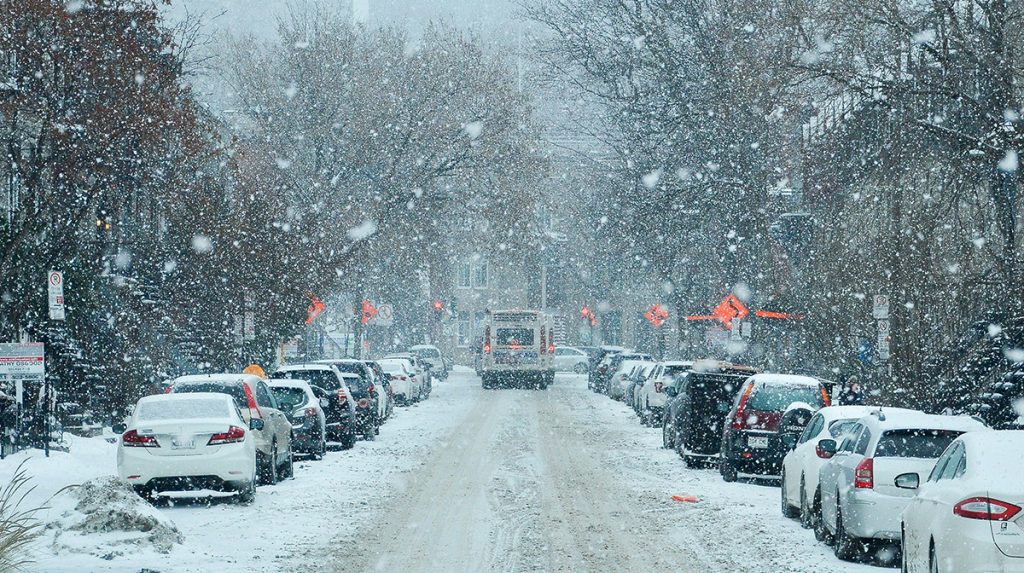
The official sunset time in winter often falls just after 16:30, which affects how early many begin working or running errands. The cold air itself is one thing; the constant need to plan around it is another.
During winter months, weather conditions can change quickly—from clear skies to slippery sidewalks in a matter of hours. The same goes for melting snow refreezing overnight, leading to spots of black ice. You’ll quickly learn which streets stay clear and which ones aren’t worth the risk.
Creating habits helps. Some people start checking weather forecasts more often, not to complain, but to get ahead of the day.
Planning a Winter Move: What to Consider Before Movers Arrive
Relocating during a Montreal winter—whether it’s a short commute or long-distance moving—requires more flexibility than most expect. If the movers arrive right after heavy snowfall, unloading a lorry can take longer simply because the driveway needs to be cleared again, or access is slower due to ice.
A few practical considerations, especially if you’re coordinating logistics:
- Clear driveways and entry points ahead of time.
- Wear footwear with strong grip, ideally waterproof.
- Avoid cotton layers; a proper base layer, wool socks and insulated gloves work better.
- Keep a hot drink nearby—it helps more than you think.
- When possible, start early. Cold peaks in the late evening.
- Plan ahead, even if weather looks acceptable; overnight ice can change things by morning.
It’s not about being overly cautious, just realistic. Montreal winter rewards those who prepare.
Staying Warm the Right Way: Hot Drinks, Layers and Adaptive Clothing
There is no single piece of clothing that solves winter comfort. It’s the combination of layers that helps. A breathable base layer, something insulating in the middle, and a warm coat with wind resistance often work better than just a heavier jacket.
Footwear matters more than many expect. Waterproof boots with proper traction are more valuable than stylish winter shoes without grip.
Some residents swear by hot coffee or hot chocolate at strategic times through the day. It’s less about comfort and more about maintaining circulation and energy levels, especially when moving heavy boxes or simply walking longer distances in cold air.
Apartment Comfort During Cold Weather: Heating, Insulation and Location
Your experience of winter in Montreal depends heavily on where you live. Two apartments with the same outdoor conditions can feel entirely different indoors depending on insulation, window seals and heat distribution.
Being near a metro station or main bus route sometimes matters more than being centrally located. In freezing conditions, avoiding long walks on icy roads becomes part of everyday planning.
People relocating to Montreal for medium-term stays often discover that practical factors — such as heat retention, quality of insulation and access to public transport — significantly affect how comfortably they adapt to their first winter. That understanding is reflected in the approach behind Montreal Aparthotel, where furnished accommodation is configured with winter suitability in mind, including options commonly searched under “short-term apartment rentals in Montreal” for those staying temporarily in the city.
A small note, not a recommendation: where and how you live influences how you experience winter.
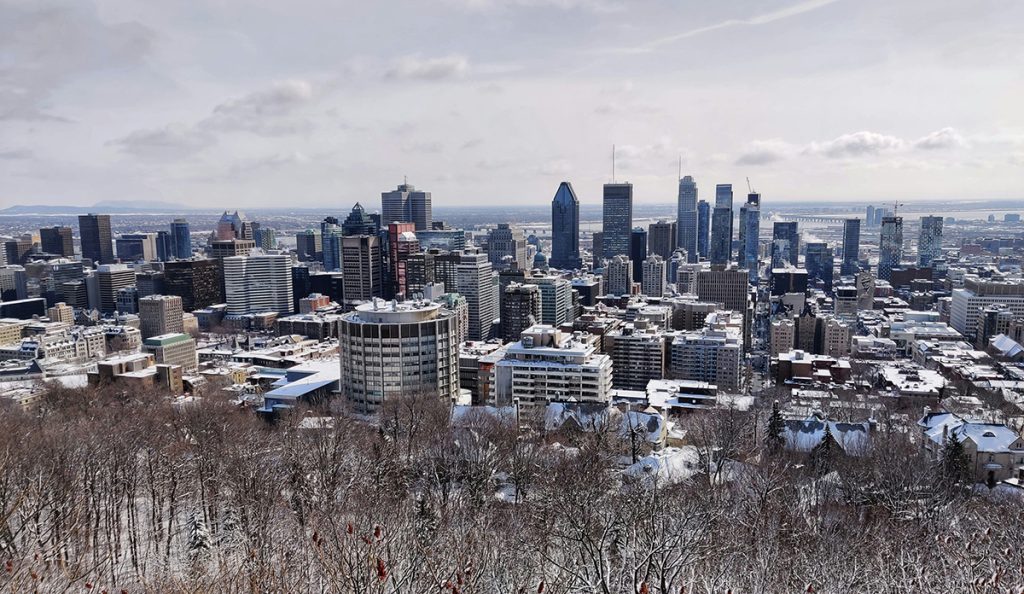
Snow, Ice and Black Ice: Safety Before Speed
Snow isn’t usually a problem—until it turns into ice. Melting snow refreezes overnight, and if there’s no grip on the pavement, even short distances can become hazardous. People often keep an ice scraper in the car and walk more slowly than usual, not out of fear, but because it’s efficient and safer.
Sometimes the best decision is simply to wait until conditions improve, especially if temperatures drop quickly at night.
Long-Distance Moving and Fragile Items: Protect Before Transport
When moving delicate items, cold weather introduces an additional layer of complexity. Wood can react to sudden temperature changes, and certain electronics don’t tolerate freezing. Covering items with waterproof covers, providing insulation inside packaging and allowing materials to adjust gradually can help avoid damage.
Winter Activities and Adaptation: From Cross-Country Skiing to Indoor Routine
Not everyone takes up winter sports such as cross-country skiing, although they’re popular locally. Some prefer indoor routines, connecting through cafés, short walks and informal gatherings. Winter encourages a slower rhythm—not inactivity, just a different form of it.
The more you adapt daily habits, the easier winter becomes.
Final Thoughts: Careful Planning and Why Winter Helps You Understand the City
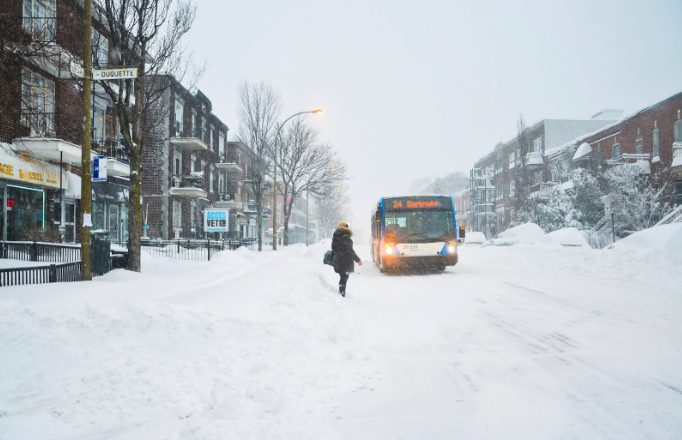
Moving to Montreal in winter can feel like a challenge at first. However, lower demand compared to the summer rush can benefit those relocating during the off-season. The main difference is that in warm months, lack of planning causes inconvenience; in winter, it can genuinely affect timing and comfort.
Montreal winter does not ask for perfection. It asks for consistency, awareness and a bit of resilience. With time, many people find that living through the season gives them a better understanding of the city—and of how they operate within it.
Other articles from totimes.ca – otttimes.ca – mtltimes.ca