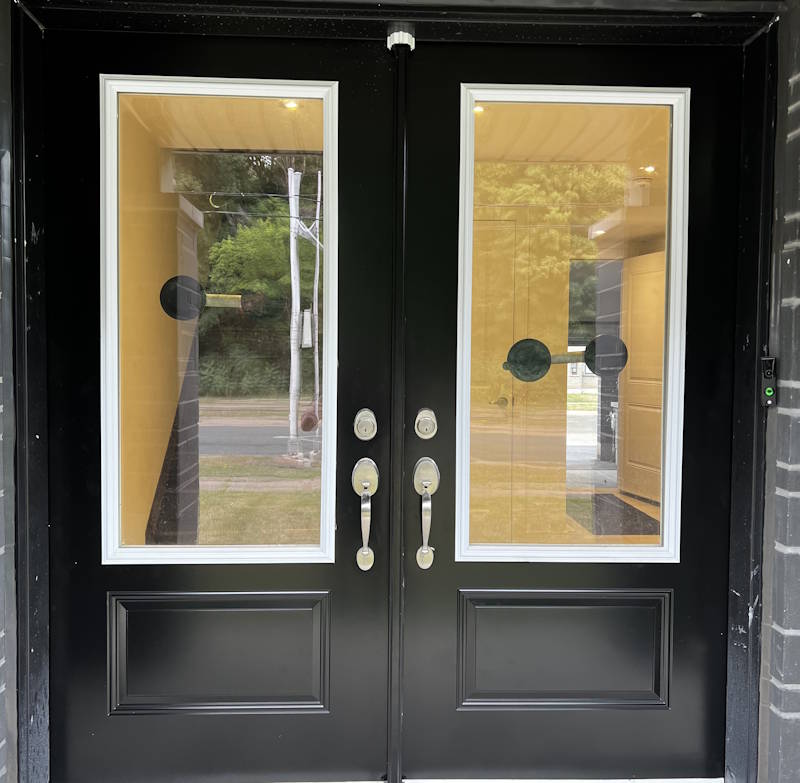
In buildings with constant foot traffic‚ the entrance is more than a point of access. It is part of the property’s daily rhythm, affecting security, movement, accessibility, energy efficiency, and the overall impression visitors have upon arrival. When entry systems are poorly planned‚ aging‚ or not suited to the volume of use‚ small issues can quickly turn into recurring disruptions.
For property managers, facility teams, and building owners considering door installation in Toronto the focus should not be solely on how the door looks on day one. The more important question is how well the system will perform after thousands of open-and-close cycles‚ exposure to weather‚ repeated use‚ deliveries‚ customer traffic‚ staff movement‚ and seasonal temperature changes.
The Entrance Sets the Tone
A building’s entry system is often the first physical interaction someone has with the property. If the door opens smoothly‚ closes securely‚ and feels stable‚ the experience is almost invisible – which is exactly the point. A good entry system does its job without drawing attention. But when a door drags‚ slams‚ sticks‚ fails to latch‚ or requires extra force to open‚ people notice immediately. In a high-traffic setting‚ that single friction point can affect dozens or hundreds of people each day. It can also create safety concerns‚ especially when users begin compensating for the problem by propping doors open‚ forcing handles‚ or avoiding certain entrances altogether.

High Traffic Changes the Rules
A door that works well in a quiet setting may not be appropriate for a busy entrance. High-traffic buildings require components that can handle repeated use without constant adjustment. That includes the door slab‚ frame‚ hinges‚ pivots‚ closer‚ lock hardware‚ threshold‚ weatherstripping‚ and any automatic operator or access-control equipment connected to the system. The higher the traffic‚ the more important durability becomes. A weak hinge‚ undersized closer‚ or a poorly aligned frame may function at first‚ but wear becomes visible much sooner. Over time‚ the door may begin to sag‚ the latch may stop lining up‚ and the closer may lose control at the final stage of closing.
Security Depends on Proper Closing
A door is only secure if it closes and latches reliably. In high-traffic buildings‚ security problems often begin with small mechanical issues. A door may appear closed but not actually latch. A closer may shut too slowly‚ giving the impression that the entry is secure while leaving a gap. A worn strike plate may allow the latch to slip out under pressure. Professional entry planning looks at the entire closing sequence‚ not just the door itself. The goal is to ensure the door returns to the frame consistently, engages the latch properly, and resists unnecessary movement. This matters for front entries‚ side doors‚ service entrances‚ shared corridors‚ loading areas‚ and any location where access control is important.
Accessibility and Ease of Use Matter
A heavy or poorly adjusted door can create unnecessary difficulty for visitors‚ staff‚ delivery workers‚ and anyone carrying items through the entrance. In many buildings‚ entry systems must balance security with accessibility. The door needs enough closing force to latch‚ but not so much force that it becomes difficult to open. Automatic operators‚ properly adjusted closers‚ accessible hardware‚ and smooth thresholds can make a significant difference. These features are not only about convenience. They help create safer‚ more usable entrances for a wider range of people‚ especially in buildings with frequent public or mixed-use access.
Weather Plays a Bigger Role Than People Expect
Canadian weather can be tough on door systems. Cold temperatures‚ wind‚ moisture‚ salt‚ and freeze-thaw cycles can all affect how an entrance performs. A door that closes well in mild weather may begin sticking in winter. Weatherstripping can harden or compress. Metal components can expand‚ contract‚ or corrode. Thresholds can shift‚ and frames can move slightly over time. For high-traffic entrances‚ these effects are magnified because the system is already under constant use. A professional entry setup takes local weather conditions into account‚ including sealing‚ drainage‚ hardware material‚ and the type of closer or operator used.
Energy Efficiency Starts at the Door
An inefficient entry system can allow heated or cooled air to escape throughout the day. In high-traffic buildings‚ this can affect comfort and utility costs‚ especially when doors do not close quickly‚ seal properly‚ or align with the frame. Gaps around the door‚ damaged sweeps‚ worn seals‚ and poor threshold contact can all contribute to drafts. A properly designed entry system helps maintain indoor comfort by reducing unnecessary air leakage. This is especially important for buildings with customer-facing spaces‚ lobbies‚ offices‚ clinics‚ retail units‚ and shared commercial entrances, where comfort and professionalism both matter.
Maintenance Becomes Easier With the Right System
One of the main benefits of a professional entry system is predictability. When the right parts are installed correctly‚ maintenance becomes more manageable. Inspections can focus on normal wear rather than recurring failures. Components can be adjusted before they break. Door closers‚ locks‚ hinges‚ and seals can be serviced as part of a planned schedule rather than during an unexpected disruption. This approach is especially valuable in high-traffic buildings because door downtime can affect daily operations. Preventing problems is usually less disruptive than reacting after an entrance becomes difficult to use or fails to secure.
The Right Entry System Is a Long-Term Decision
Choosing an entry system should not be treated as a quick purchase. The best solution depends on traffic volume, building use, security requirements, accessibility needs, weather exposure, and the types of people moving through the entrance each day. A professional assessment can help determine whether the existing opening needs better hardware, a stronger door, a different closer, an automatic operator, or a full system upgrade. In the long run‚ high-traffic buildings benefit from entry systems that are durable‚ properly fitted‚ easy to use‚ and designed for real-world daily use. When the door works smoothly‚ people move through the building without interruption – and the entrance quietly supports everything happening inside.
Article and lead photo courtesy of Lawrence Doors & Glazing.