There’s a lot of talk about Montreal being in a housing crisis, and while that’s true, it’s often perceived the wrong way. The assumption is usually that there simply aren’t enough apartments, and that if the city just built more units, prices would come down and the pressure would ease. But that’s not really what’s happening.
Montreal has added a large amount of rental housing over the past few years. Anyone who’s walked through downtown, Griffintown, or parts of the Sud-Ouest can see it: new buildings, new towers, new blocks entirely reshaped by development. Numbers-wise, supply is increasing; what’s missing is affordability.
Most of the new apartments coming onto the market are priced well above what a large portion of renters can realistically pay. They’re designed with luxury features, shared amenities, and modern finishes, and the rents reflect that. These units don’t compete with older apartments in small plexes; they compete with other new buildings aimed at the same income bracket. That distinction matters more than people realize.
Because while new construction has increased, it hasn’t reduced pressure where demand is actually strongest. Instead, it’s quietly pushed renters out of certain neighbourhoods and into others.
Where prices are moving the most
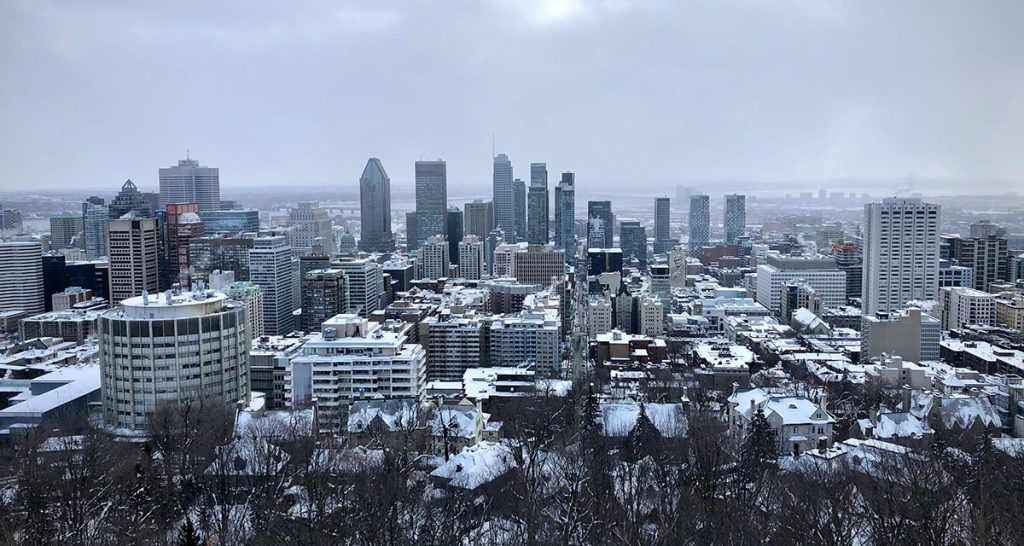
Downtown Montreal is one of the clearest examples of this shift and it’s also one of the areas where price changes have been the most drastic.
Downtown has absorbed a significant amount of new rental supply in a relatively short period of time. At the same time, renters’ priorities have changed as hybrid work becomes more common and daily commutes are less of a deciding factor than they used to be.
Naturally, for many tenants, paying a premium just to be downtown no longer feels necessary.
That combination has made downtown more price sensitive as renters are comparing options more closely, and landlords are feeling the competition. This doesn’t necessarily mean downtown is empty or undesirable; it just means tenants have more leverage than they did a few years ago.
Griffintown follows a similar pattern; the neighborhood still attracts demand, but it’s heavily saturated with similar units at similar price points. When multiple buildings are offering near-identical apartments, even small shifts in demand can lead to noticeable pricing adjustments. Incentives and longer listing times are more common here than elsewhere on the island to compete with other neighbourhoods.
Verdun and parts of the Sud-Ouest have also felt pressure, though for slightly different reasons. Rapid rent increases over the past few years pushed prices to a level that many renters could no longer justify. As budgets tightened, demand didn’t disappear, but it became more selective. That selectiveness translated into softer pricing for certain unit types.
In all of these areas, price changes are less about people leaving Montreal and more about people choosing not to overextend themselves.
Where pricing has barely moved
At the same time, other neighbourhoods have remained stubbornly stable. Places like the Plateau-Mont-Royal, Rosemont/La Petite-Patrie, and Villeray haven’t seen the same kind of volatility. Rents haven’t dropped significantly, but they also haven’t swung wildly upward. Units that come to market are usually rented quickly, often without much negotiation.
The reason is fairly simple: these neighbourhoods can’t easily add supply.
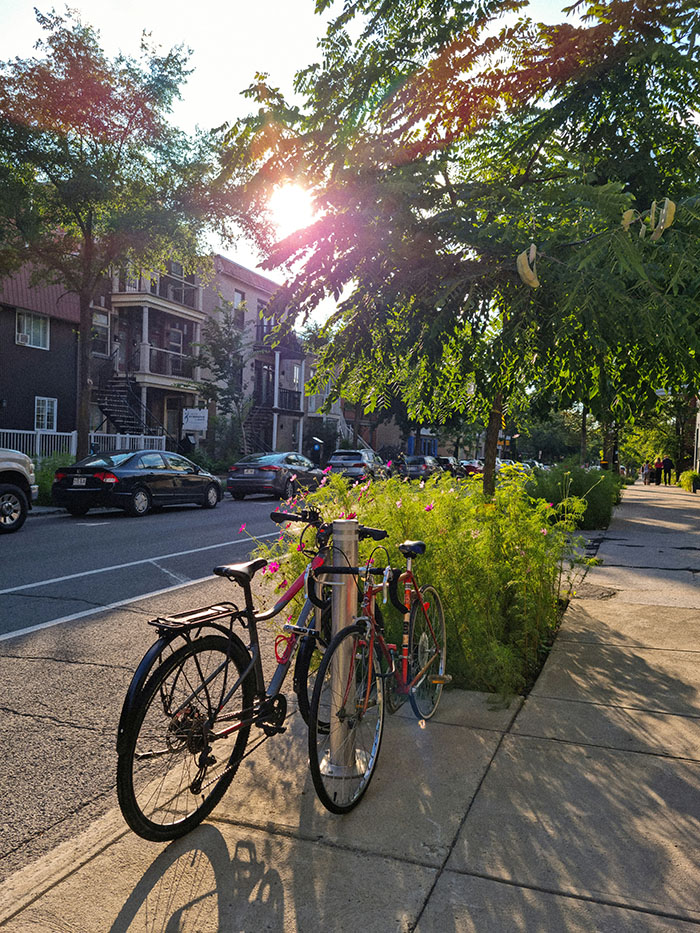
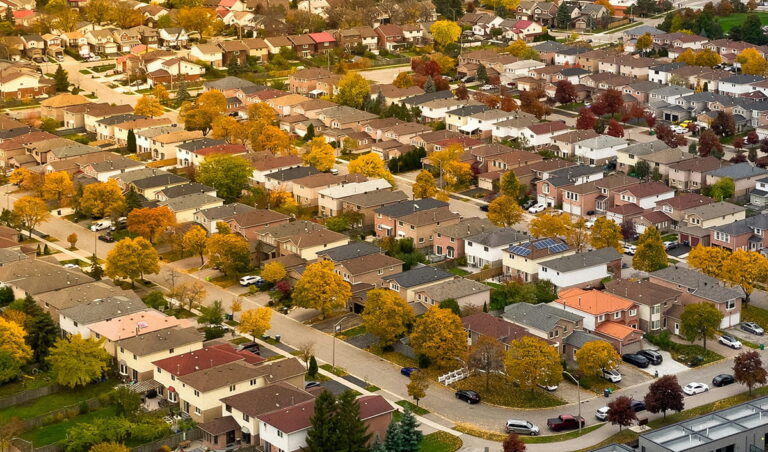
In Montreal, most of the housing stock consists of duplexes and triplexes, so turnover is lower. Large developments are rare, and zoning limits what can be built, so when demand increases, there’s nowhere for it to go.
Ahuntsic-Cartierville and parts of Hochelaga show a similar dynamic as renters look for better value. These areas absorb demand from more expensive parts of the city even though the apartments themselves haven’t changed much, but competition for them has.
Stability, in this context, doesn’t mean cheap, it means protected. Prices don’t fall because demand never really lets up.
Why are people leaving downtown without leaving the city? This is where the broader trend becomes clear: most renters aren’t trying to upgrade; they’re trying to hold the line.
They’re willing to give up a gym or a rooftop terrace if it means a larger unit, a lower monthly payment, or the ability to stay put for more than a year. They’re expanding their search radius, looking at neighbourhoods they might not have considered before, and prioritizing value over prestige.
That’s why demand has increased in traditional apartment markets while newer, more expensive areas have become more flexible on price.
Rental platforms like rentack.com , which track real listing activity across Montreal, see this play out every day. Luxury units sit longer while traditional apartments priced within reach move quickly. The competition hasn’t disappeared; it’s just shifted.
The housing crisis isn’t evenly distributed, which is why rental statistics can feel confusing. Average rents might flatten or even dip slightly, while renters still struggle to find something they can afford.
Montreal doesn’t have a general housing shortage; it has an affordable housing shortage. Until new supply starts aligning more closely with real incomes, demand will continue to flow into neighborhoods that can’t easily grow.
Those same neighbourhoods will stay competitive and prices there will remain firm as renters keep adjusting their expectations, not because they want to, but because they have to.
That’s the reality shaping Montreal’s rental market right now. It explains why, despite all the construction, finding a livable apartment still feels harder than it should.
Other articles from totimes.ca – otttimes.ca – mtltimes.ca