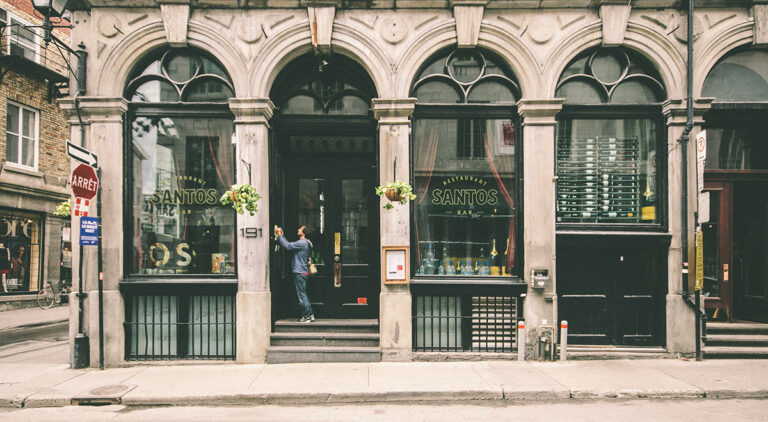

On any given evening in Montreal, patios fill quickly. Wine lists are studied. Craft cocktails are photographed before the first sip. From summer festivals to winter hockey nights, alcohol is woven into the rhythm of the city.
Which is why, when someone quietly says, “I think I want to stop drinking,” it can feel bigger than it sounds.
For partners, parents, siblings, and close friends, that moment often brings two reactions at once: pride and uncertainty. What do you say next? How do you help without pushing? And how do you support someone in a city where social life so often revolves around a drink?
Here’s what supporting a loved one really looks like in Montreal.
Why Quitting Drinking Feels Different in a Social City
Montreal isn’t just a place where people drink. It’s a place where drinking is often tied to experience — terraces in the Plateau, Old Port evenings, dinner parties, live music, celebrations of every kind.
For someone trying to quit, this creates a unique challenge. They aren’t just stepping away from alcohol. They may feel like they’re stepping away from routines, social rituals, even parts of their identity.
That’s why your role matters.
Support isn’t about controlling behaviour. It’s about helping them navigate the social pressure that can make quitting feel isolating.
What Your Loved One May Be Experiencing
Quitting alcohol isn’t only physical. In many cases, it’s psychological and emotional first.
It’s About Cues, Not Just Cravings
After-work stress. Friday night dinners. Certain friends. Certain neighbourhoods. Over time, the brain links alcohol to relief, reward, or connection. Removing alcohol means breaking those cue–reward cycles.
That can feel disorienting.
Withdrawal Is Often Emotional Before It’s Physical
Even moderate drinkers may experience:
- Irritability
- Heightened anxiety
- Restlessness
- Disrupted sleep
- Mood swings
These changes are temporary, but they can be intense. Knowing this helps you avoid taking reactions personally.
Identity Shift Is Real
Many people quietly ask themselves:
Who am I socially if I don’t drink?
Your loved one may fear awkward conversations, questions from friends, or being perceived differently. Reassurance — not pressure — helps here.
What Actually Helps (And What Doesn’t)
Supporting someone doesn’t require perfect words. It requires steady presence.
What Helps
- Listening without immediately offering solutions
- Asking how they’d like to be supported
- Suggesting alcohol-free activities
- Reducing exposure to high-trigger environments early on
- Acknowledging milestones (even one week matters)
Sometimes the most powerful sentence is:
“I’m proud of you for trying.”
What Doesn’t
- Monitoring or policing
- Downplaying the difficulty
- Saying “just cut back”
- Turning it into a debate
- Making their progress about your discomfort
Change is rarely linear. There may be setbacks. Support means staying consistent, not demanding perfection.
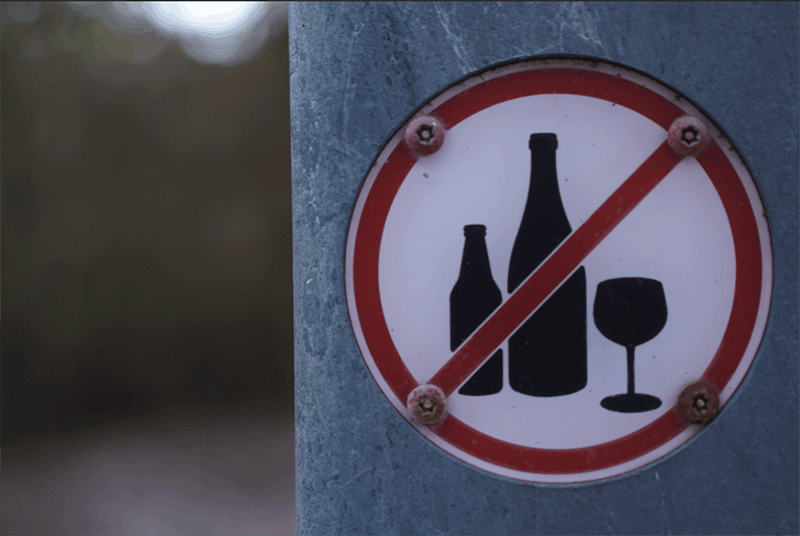
Exploring Support Options in Montreal
Quitting alcohol rarely follows a single path. In Montreal, individuals have access to a range of support options — from public health programs to private one-on-one services — depending on the level of structure and guidance they prefer.
Public Health Programs in Quebec
Quebec offers publicly funded addiction services through CLSCs, hospital-based programs, and regional health networks. These services may include medical evaluation, counselling, outpatient treatment, and referrals to specialized care. For individuals experiencing more significant dependency or withdrawal risk, medical supervision is often recommended as a first step.
Community & Peer Support Groups
Many people benefit from peer-based recovery groups, which provide structure, accountability, and shared experience. Montreal offers both in-person and online options, allowing individuals to connect with others who understand the challenges of reducing or eliminating alcohol use. For some, community support becomes an essential layer of stability during early recovery.
Counselling and Behavioural Therapy
Private therapists and addiction counsellors across Montreal offer individual support focused on behaviour change, stress management, and coping strategies. Cognitive behavioural therapy (CBT) and other structured approaches can help individuals identify triggers, reshape habits, and develop alternative routines that support long-term change.
Private Alcohol Cessation Clinics
Some individuals prefer a more personalized, one-on-one setting outside of group environments. Clinics such as Stop Centres in Montreal provide structured alcohol cessation programs that combine behavioural guidance with non-invasive auriculotherapy designed to help manage cravings and withdrawal symptoms. For those seeking a discreet and individualized approach, private clinics can offer an additional layer of support.
How to Support Without Burning Yourself Out
Supporting someone through habit change can be emotionally demanding.
You are not responsible for their outcome.
Healthy support includes:
- Setting your own boundaries
- Encouraging professional guidance when needed
- Maintaining your routines
- Avoiding becoming their sole coping mechanism
You can care deeply without carrying the entire process.
When to Seek Immediate Help
If your loved one experiences severe withdrawal symptoms — including confusion, severe shaking, seizures, or extreme distress — medical attention is necessary. Quebec health services and emergency departments are equipped to manage acute alcohol withdrawal safely.
Encouraging professional evaluation when risk signs appear is not overreacting. It’s responsible.
The Quiet Power of Stability
In a city as vibrant and social as Montreal, choosing to quit drinking can feel countercultural. But it’s increasingly common. Many people are reassessing their relationship with alcohol for reasons ranging from health to mental clarity to personal growth.
Your support doesn’t have to be dramatic.
It can be as simple as:
- Suggesting coffee instead of cocktails
- Leaving a party early without complaint
- Checking in after a hard day
- Respecting their decision without questioning it
Change is rarely loud. It’s built in small, steady moments.
And in a city known for celebration, choosing stability may be one of the strongest forms of support you can offer.
submitted post