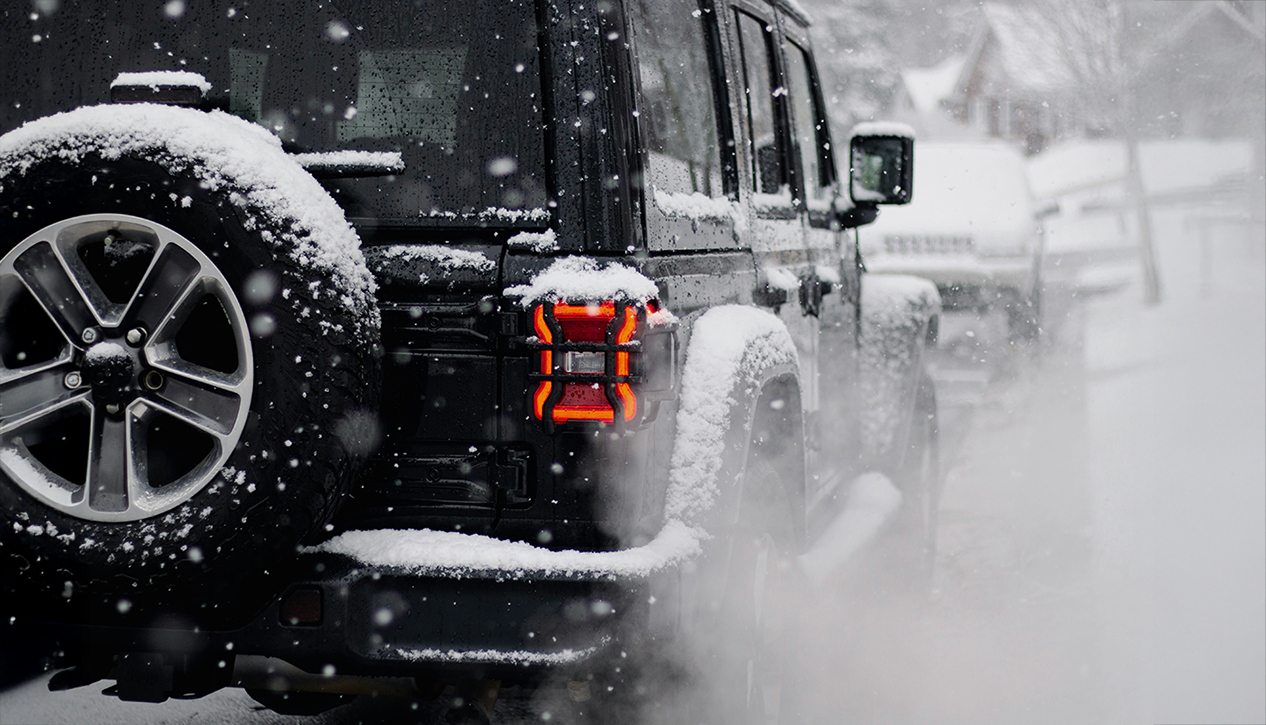
Ask ten Jeep Wrangler owners in Montreal what they run in winter and you’ll get ten confident answers. Some swear by the factory hard top from November to April. Others keep the soft top on all year and say the cold is overrated. Both groups are partly right, because the choice depends less on the Jeep and more on how you drive it, where you park it and how much winter maintenance you’re willing to do.
Quebec winters are a real test for any convertible-style vehicle. Between heavy snowfalls, freezing rain, road salt and long stretches below -15°C, the roof over your head does a lot of work. Here’s what actually matters when you’re deciding.
Insulation and Cabin Comfort
The most obvious difference is warmth. A hard top is a rigid fibreglass or composite shell, and most of them come with an optional headliner that adds a layer of insulation and cuts road noise noticeably. On a -25°C morning on the Décarie, that extra layer means the heater catches up faster and the cabin holds its temperature better once you’re moving.
A soft top is fabric over a frame, so it will always lose more heat. That said, a modern, well-fitted soft top in good condition is far better than its reputation. The real problem is usually an old top: worn zippers, shrunken windows and tired seals let cold air in at the edges. If your cabin feels drafty, the fabric itself is rarely the culprit — the seals are.
Snow and Ice on the Roof
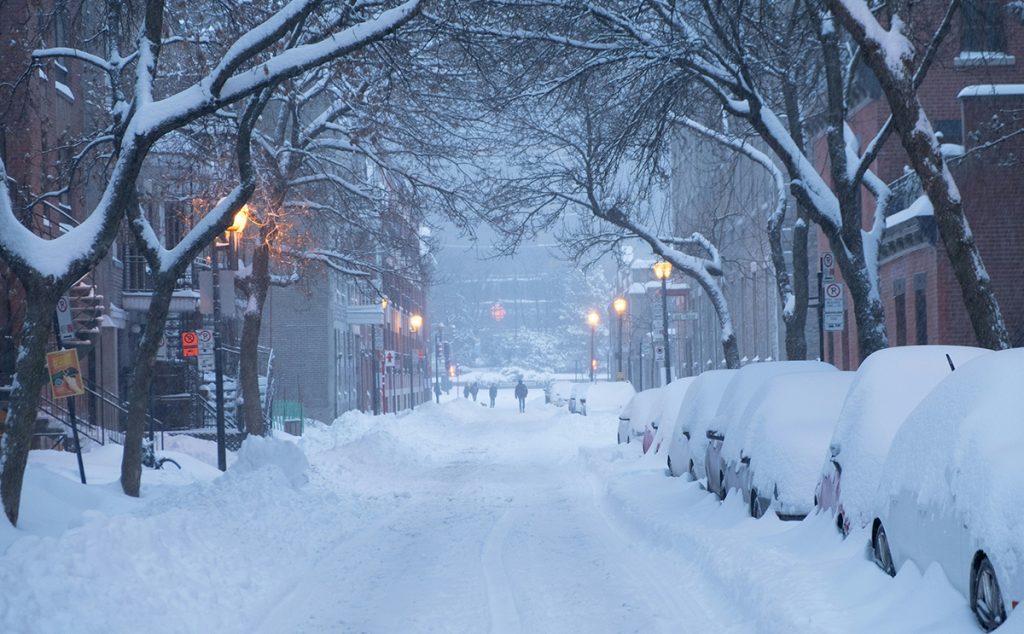
Montreal snowfalls are heavy and wet, and that matters for a fabric roof. A hard top shrugs off a night of accumulation. A soft top can handle normal snowfall, but letting a thick, wet layer sit for days puts stress on the frame and can stretch the fabric over time.
A few habits help a lot:
- Brush snow off with a soft brush, never a hard scraper or shovel.
- Don’t chip ice off the fabric or the plastic windows; let the defroster and the sun do the work.
- Avoid opening a frozen soft top. Cold fabric and frozen zippers are brittle, and that’s when tears and broken zipper teeth happen.
If your Jeep lives outside on the street through the winter, clearing the roof after every storm is non-negotiable with a soft top. If it lives in a garage, the difference between the two shrinks considerably.
Visibility and Windows
Hard tops have glass rear and side windows, which means a rear defroster and wiper on most setups, and windows you can scrape like any other car. In a city where freezing rain is a regular visitor, that’s a genuine safety advantage.
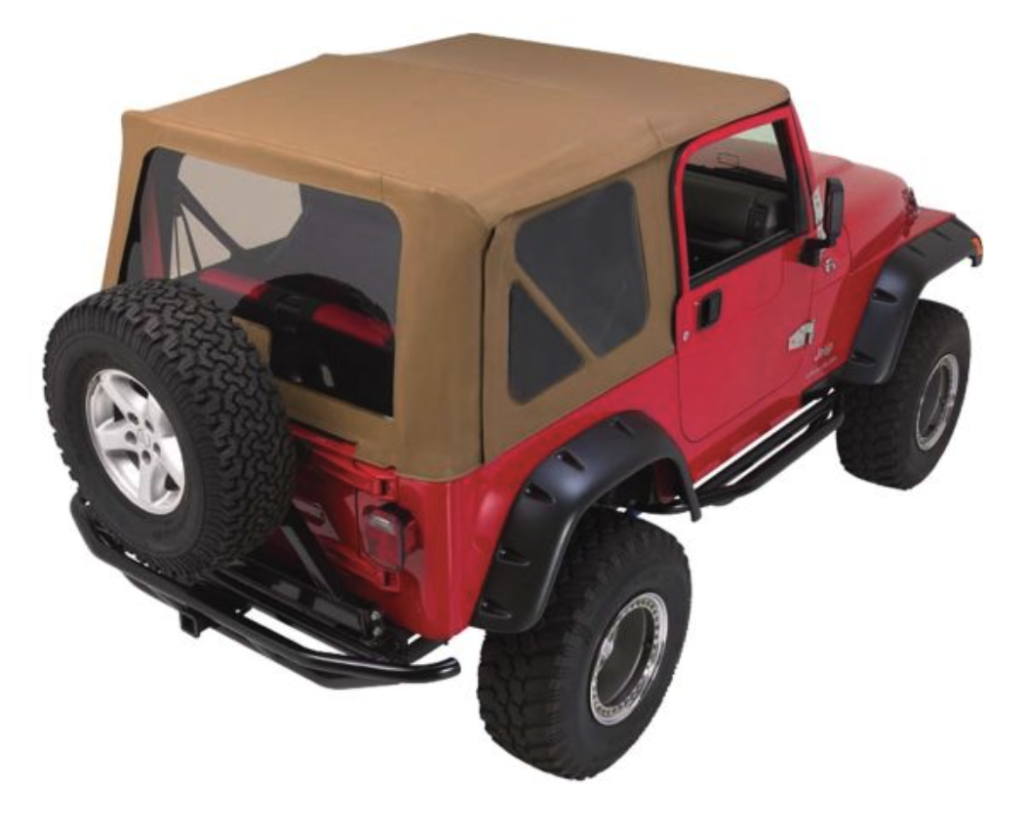
Soft top windows are usually clear vinyl or a tinted polymer. They scratch easily, so ice scrapers are out of the question, and they can fog more in the cold. Keeping them clean and treated with a product made for vinyl windows helps, and parking nose-out of the wind reduces how much frost builds up overnight.
Security and Street Parking
For anyone who parks on the street in the Plateau, Rosemont or downtown, security is part of the decision. A hard top locks up like any other vehicle. A soft top is easier to cut, and while most Jeep owners learn to leave nothing visible inside, it’s a factor worth weighing honestly, especially through the long dark months.
Swapping Tops With the Seasons
Plenty of Quebec owners don’t choose at all. They run the hard top from late fall to early spring and switch to the soft top or go topless for summer. It’s the best of both worlds, but it comes with logistics:
- Storage. A hard top is bulky and heavy. Storing it on the floor risks scratches and cracked corners; a wall-mounted hoist or a dedicated cart keeps it safe and out of the way.
- Help. Removing a hard top is a two-person job at minimum. Plan the swap for a dry, mild day rather than waiting for the first snow.
- Timing. Quebec requires winter tires from December 1 to March 15, and many owners swap the top at the same time they change tires. It’s an easy way to make it a yearly routine.
Caring for a Soft Top Through Winter
If you do keep the soft top on, a little care goes a long way toward getting several more seasons out of it.
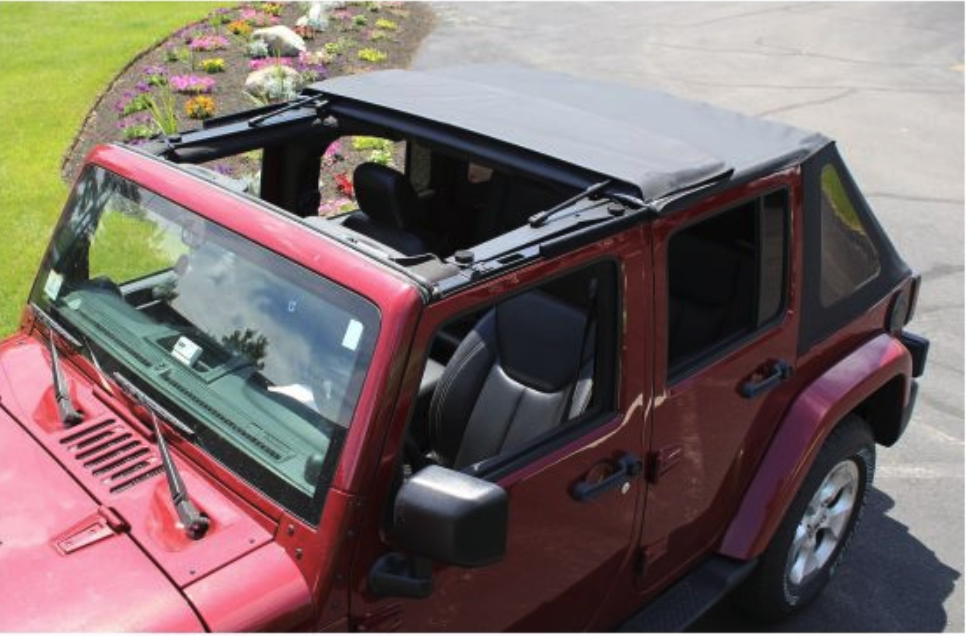
Clean the fabric before winter with a cleaner made for convertible tops, then apply a fabric protectant to help shed water and slush. Treat the zippers with a zipper lubricant so they don’t seize in the cold. Check the seals along the windshield header and doors; if they’re cracked or flattened, replacing them is one of the cheapest ways to make the cabin noticeably warmer.
And if your current top is already past saving — faded, shrunken, with windows you can barely see through — winter is a fair time to plan a replacement. Shopping for Jeep soft tops before spring means you can compare complete kits, frameless options and replacement skins without the rush that comes once the warm weather arrives.
So Which One Should You Choose?
If your Jeep is your daily driver, parks outside and sees highway commutes in January, a hard top is the more comfortable and lower-maintenance winter choice. If you have a garage, drive shorter distances and don’t mind brushing the roof after every storm, a quality soft top in good condition will get you through a Montreal winter just fine.
Either way, the roof is only one part of winter readiness. Good winter tires, a healthy battery and a properly working heater and defroster matter just as much. Get those right, keep the top in good shape, and a Jeep can be one of the most capable and enjoyable vehicles to own through a Quebec winter.
contributed post