
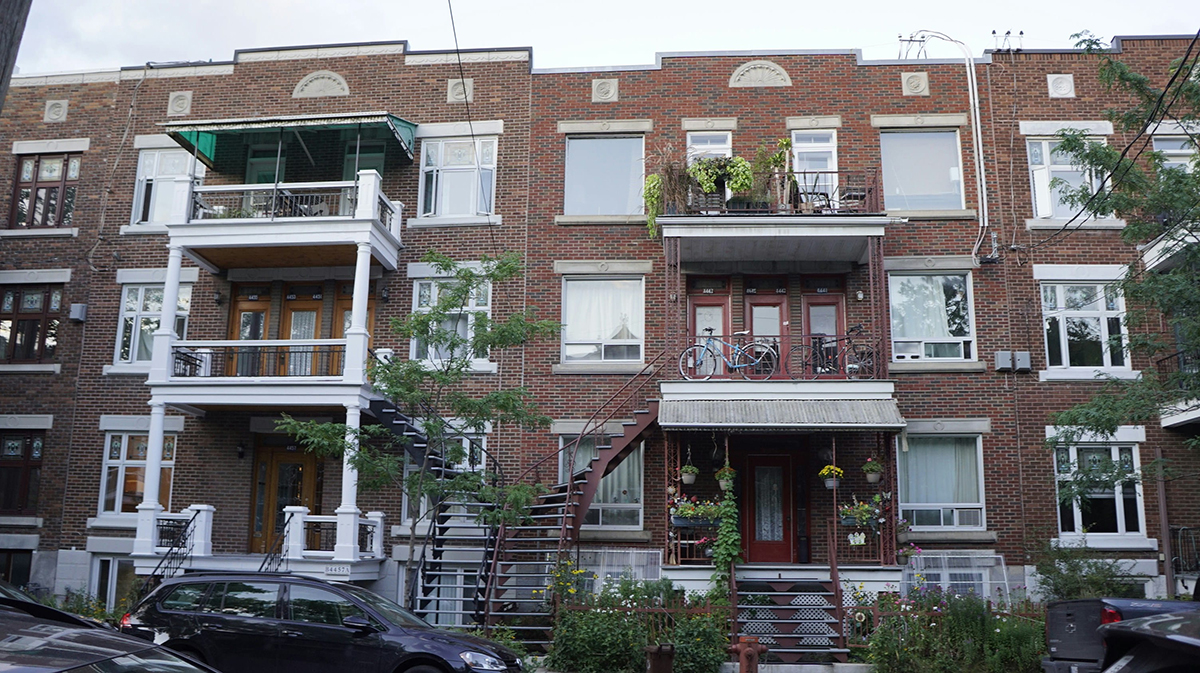
Bed bugs in Montreal apartments can turn up behind a spotless first impression. Fresh paint and a clean kitchen do not tell a prospective tenant what is happening along a mattress seam, behind a headboard or inside an upholstered chair. The Ville de Montréal says bed bugs can be found in homes that are clean, as well as unsanitary. A calm walk-through that covers each area gives renters more information than judging the unit by appearance alone.
Quebec’s July 1 moving season makes that walk-through harder to schedule. The Tribunal administratif du logement (TAL) says most rental leases end on June 30, and a new tenant’s right to occupy starts on the first day of the new lease. And the TAL’s moving-day notice recommends that a lessor check the dwelling after the former occupant leaves. A careful handover matters when one household is leaving and another is bringing in possessions on the same day.

Use the handover to inspect more than the paint
Before signing or accepting keys, ask when the unit will be available for a full walk-through and whether any items will remain. In a furnished apartment, look closely at the mattress, box spring, frame, headboard and upholstered seating. In an empty unit, check baseboards, curtain folds, belongings left behind and the places where walls meet the floor. Use a short inspection to identify signs that need follow-up. A building manager can arrange a fuller assessment when the findings warrant it.
The distinction matters in Montreal. Bed bugs also appear in well-kept homes, so cleanliness is a poor indicator of whether they are present. The city’s guidance identifies small dark spots on sheets and mattress seams among the signs to look for. The Gouvernement du Québec advises people to act promptly when they discover bed bugs, because an infestation can grow and spread through belongings.
Ask the landlord directly whether there have been reports in the unit or building and what steps were taken. Keep the question neutral. A previous report is a reason to ask what was done. Fresh paint offers no evidence about an infestation. A clear answer, a chance to inspect, and a record of the unit’s condition are more useful than a verbal assurance with no detail.
Bed bugs in Montreal apartments need a closer look
A viewing often lasts only a few minutes. Use that time on places where fabric, seams and narrow gaps meet. Start with the mattress piping and labels, then check the box spring edges, frame joints, screw holes and the back of the headboard. If the apartment includes a sofa, lift the cushions and look along the seams. Check nearby curtains and the baseboard behind the frame as well.
For readers comparing bed-bug supplies before moving, Online Exterminator groups its available options in a dedicated collection. The collection is a place to compare products; inspection of the rental remains a separate step.
Look for live insects, small black marks, pale shed skins or other signs in sheltered spaces. Montreal’s public guidance notes that bites can resemble mosquito bites, so a skin mark by itself cannot identify what is happening in the unit. Photos of a visible insect or a group of marks can help the building manager understand what needs checking. Do not pull apart walls or apply a pesticide during a viewing.
A useful check repeats the same careful scan of places where an insect could hide during the day. If a unit is furnished, inspect the mattress and seating before placing bags on them. If an item is being left by a former occupant, ask who will inspect it and whether it is part of the lease. That pause is easier before a moving truck is waiting outside.
Keep the renter and property owner roles clear
If you find a suspected bed bug or clear signs of activity, take a photo and notify the landlord promptly in writing. Record when the message was sent and keep the reply. The Ville de Montréal tells tenants not to try to resolve an infestation on their own. Its guidance says the owner must arrange a visit by a certified exterminator and allow the building to be checked to understand the extent of the infestation. The Gouvernement du Québec also advises owners to contact a certified extermination company promptly and to follow its treatment instructions.
The same municipal page says tenants can call 311 if the building manager does not take the required measures. If they open a file at the TAL, the city requires a registered letter and evidence of an exchange with the rental provider. Keep copies of the notice, the date of contact and proof it was received. But a check of one apartment may not be enough in a rental building. The building manager needs to know which units or shared areas are involved and coordinate access so the inspection can cover the relevant parts of the property.
The TAL lists bed bugs among examples of unsanitary conditions. It explains that a lessee may apply to the Tribunal for an order requiring work or for other remedies in appropriate circumstances. The TAL also says the person making an application has to provide evidence, such as photographs, and that the extent of the condition matters. Any rent reduction depends on the circumstances and the evidence before the Tribunal. Renters should keep records and follow the Tribunal’s process before making a decision about payment or leaving the unit.
Property owners have a practical reason to act quickly: early notice gives them a chance to arrange an inspection before activity reaches more units or more belongings. The city’s public-health guidance also notes that bed bugs can be present in clean homes. A report should prompt an inspection, and the building manager should focus on the condition of the property rather than presume a renter caused the infestation.
Bed bugs in Montreal apartments call for a documented response from both sides of the lease.
Move belongings without carrying uncertainty forward
Moving day can carry bed bugs between addresses in furnishings, clothing and other belongings. Montreal’s public housing agency, the Office municipal d’habitation de Montréal (OMHM), advises people moving into an apartment to use sound boxes, close them securely and avoid reused boxes with holes or splits. It also recommends sealing bags before putting them in a moving truck. Those steps make sense whenever a renter has a reason to be cautious about an item or a set of belongings.
Keep clothing, bedding and other fabrics in sealed bags as they move from one address to another. The OMHM guide advises closing bags before they go in the truck. It also warns against reused boxes with holes or splits. This gives loose items a contained place while the rest of the move is underway.
Inspect second-hand furnishings before they enter the apartment. Check seams and joints in daylight, look underneath, and ask where an item has been stored. Do not take a mattress or sofa left on the curb just because it appears clean. If a housing provider or renter has already confirmed an infestation, follow the preparation instructions given by the person arranging treatment. The Gouvernement du Québec advises against applying insecticides without guidance; products used incorrectly can be dangerous and may make bed bugs harder to treat.
For property owners, the turnover period is a chance to document the condition of the unit and respond to any report before new belongings arrive. Renters can inspect, ask specific questions and preserve written records. In a busy July 1 handover, those steps keep the discussion about the apartment’s condition rather than guesswork about who brought what inside.
contributed post