Montreal photographs badly when you improvise. At noon in July, the light bounces hard off downtown concrete, and the lanes of the Old Port fill with visitors in a matter of minutes. Finding a wedding photographer in Montreal who can work with that is already half the job. The other half plays out in details nobody bothers telling couples. Take the Botanical Garden: the professional photography rules set by Espace pour la vie require a booking and a fee before anyone shoots on site. Plenty of couples find that out the night before. What follows pulls together the things that actually decide the outcome: the locations, the money, and how to pick the right person.
Neighbourhoods that Can Elevate a Photo Session
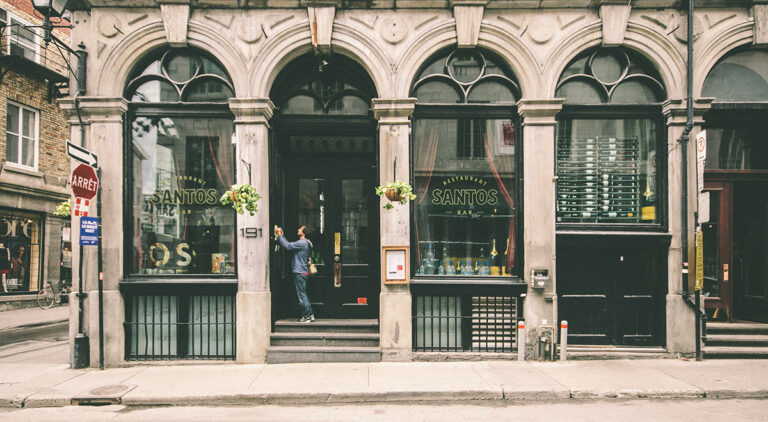
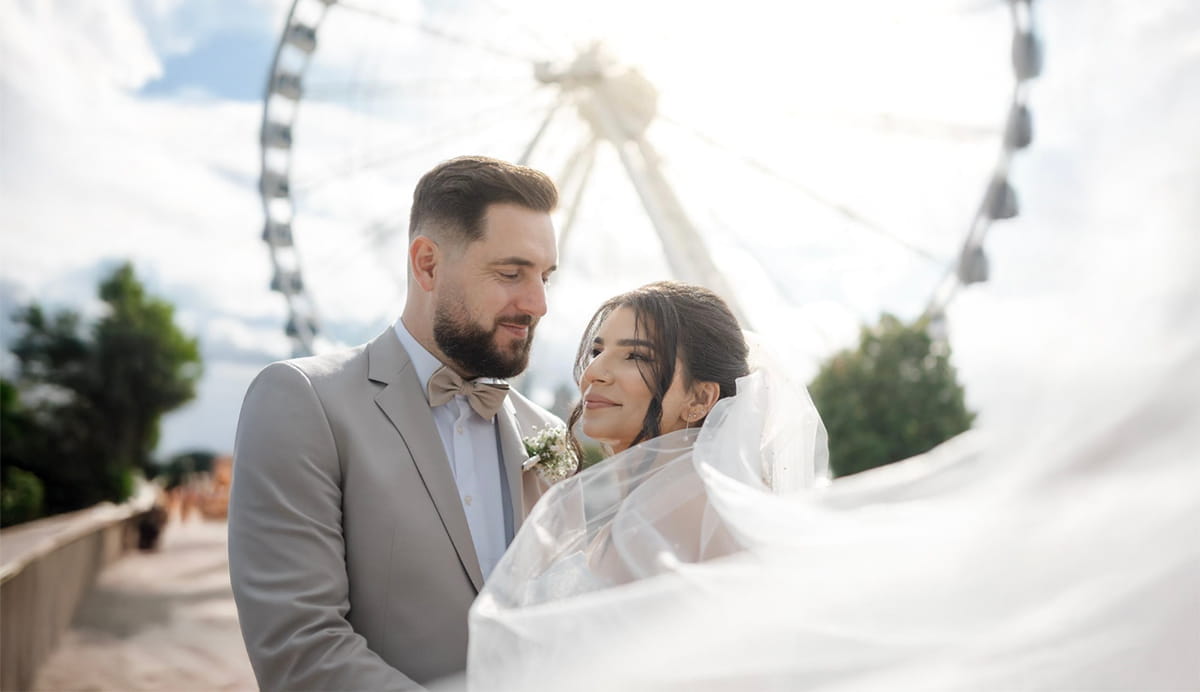
Old Montreal remains the safe bet, though not anywhere and not at any hour. Rue Le Royer, closed to cars, filters light between its facades and hands you soft shadows in late afternoon. A few steps away, Place d’Armes and the Bank of Montreal building set a solemn, almost European backdrop across from Notre-Dame Basilica. The Lucien-Saulnier building and its wide forecourt save the day when rain shows up: you stay dry, and the pale stone bounces back a flattering light. Rue Saint-Gabriel, near the inn of the same name, lines up stone walls and cobblestones for tighter, more intimate portraits. Then there is Bonsecours Market, its arcades and the Ferris wheel behind, framing a sunset over the river the way few other spots in the city can.
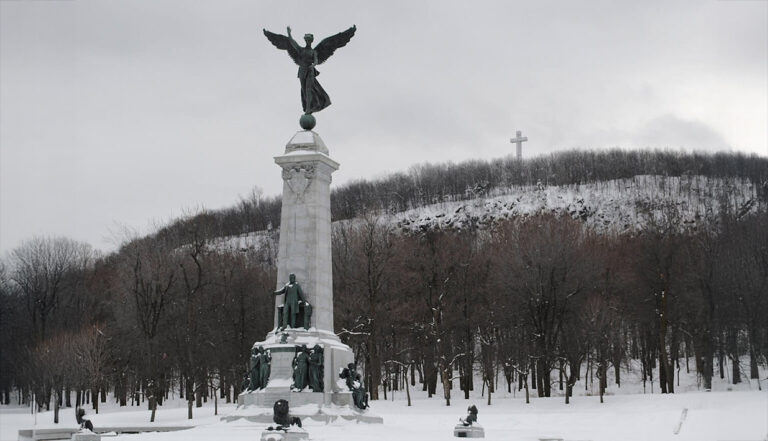
Step outside the historic quadrilateral and Montreal shows another face. Parc Jean-Drapeau opens up greenery and a skyline view, at the cost of a drive you have to build into the schedule. Mount Royal rewards couples who get up early: the Kondiaronk lookout is glorious at 8 in the morning, far less workable at 4 on a Saturday afternoon in June, when half the island is picnicking there. Every neighbourhood sets its own tempo. Good scouting is a question of timing as much as of place.
Two options keep gaining ground, and rightly so in my view. The Lachine Canal and Griffintown bring an industrial contrast, brick and steel, that breaks the postcard feel of the old town. Parc La Fontaine, quieter, gives you woodland cover and reflections on water a few minutes from the Plateau. Neither one replaces a heritage setting, but both add a breath to a day that otherwise starts looking the same from one couple to the next. Mixing moods within a single day is what turns an album into something alive rather than a stack of pretty postcards.
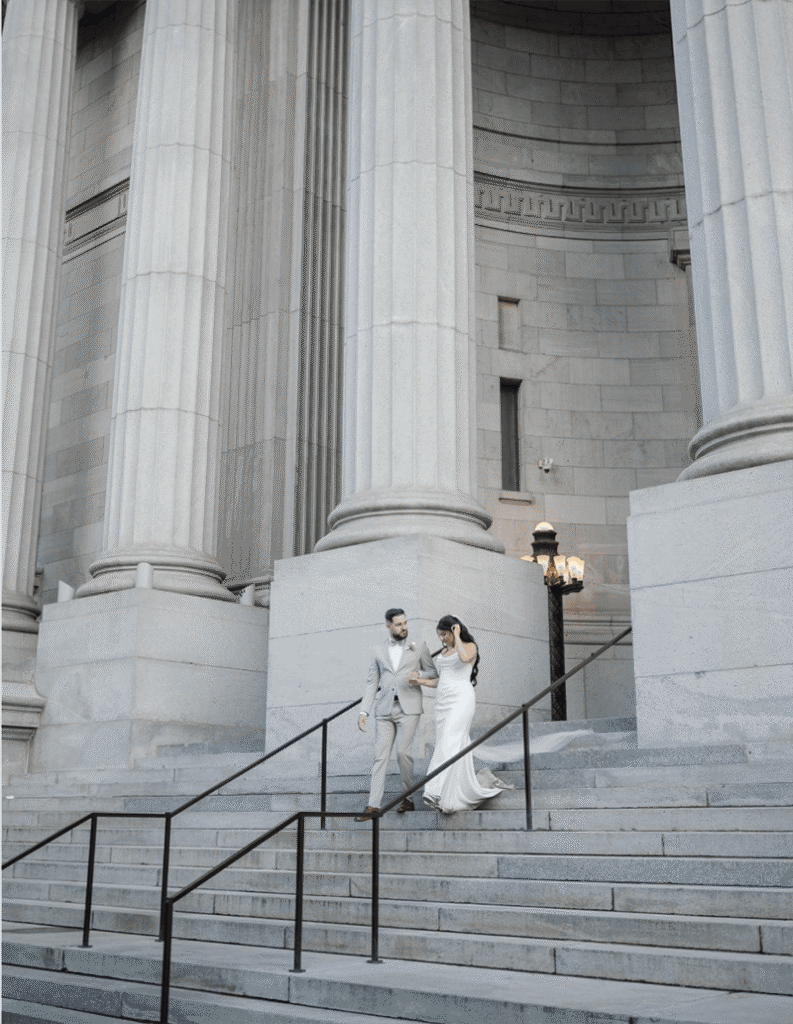
Five Montreal Locations and What They Really Ask of You
Scouting before the day itself is what keeps the surprises small. The table below gathers five spots couples request often in Montreal, what each one gives you, and what it demands in return.
| Location | Area | What works | What to plan for |
|---|---|---|---|
| Rue Le Royer | Old Montreal | Filtered light, soft shadows | Busy on summer evenings |
| Place d’Armes and Bank of Montreal | Old Montreal | Monumental, elegant backdrop | Traffic and tourists |
| Lucien-Saulnier building | Old Montreal | Shelter from rain, bright stone | Access varies with events |
| Bonsecours Market | Old Montreal | Arcades, sunset over the river | Crowds along the waterfront |
| Botanical Garden | Rosemont | Greenhouses and gardens, a setting with no equivalent | Booking and fees required |
None of these places works in every circumstance. The right pick depends on your schedule, the season, and how many guests follow you around for the group shots. A grand space turns unmanageable fast with forty people and a single hour on the clock. Two venues within walking distance of each other will often serve you better than one spectacular address on the other side of town.
What Sets a Good Wedding Photographer in Montreal Apart
Style matters, obviously. Documentary, editorial, or something brighter and more natural: each approach tells the same day differently. In the city, though, real skill shows up somewhere else. It shows in the ability to tame ugly light, to move a wedding party down a busy street without killing the mood, to find a patch of shade in three minutes when the timeline slips. Look at full galleries, not just the hero images on an Instagram feed. One complete wedding, from an overcast morning through to the dance floor, tells you more about consistency than any curated selection ever will.
That is exactly where hiring someone used to shooting weddings across Montreal changes the outcome: they have already watched rain fall at 3 and the sun come back right on time for cocktails. They also ask the right questions before you do. Weather plan B, second shooter, delivery timelines, image usage rights, backups. A vague answer on any of those says a great deal. Someone seasoned talks in specifics, numbers and scenarios, because they have already lived through the version where things go wrong.
The Price of a Wedding Photographer, No Dancing Around It
In Quebec, photography usually accounts for 10 to 15 percent of a wedding budget. In practice, eight hours of coverage most often lands between 2,500 and 4,000 dollars, while premium packages with ten to twelve hours and a second shooter climb from 4,000 to 6,000. Set against a hundred-guest wedding, where the total runs somewhere around 25,000 to 35,000 dollars in 2025, that gap is far from trivial.
Paying more guarantees nothing on its own. Paying too little, though, almost always hides something: no backup gear, no insurance, a single camera body, or editing rushed through in a weekend. Watch for the costs that never appear in the opening quote either, from taxes to travel fees to the printed album. One telling example: a package advertised at 1,500 dollars that reaches 2,300 once travel, album and taxes are added is no longer much of a bargain. Ask for an itemized quote, line by line, every time. My rule, after seeing dozens of contracts go by, fits in one sentence: the number to watch is never the lowest rate, it is the relationship between what you live on the day and what you still have twenty years later.
Permits, Timing, Weather: The Logistics that Save the Day
Three levers get prepared upstream, and they do more for your photos than any filter. Permits first. Beyond the Botanical Garden, several parks and heritage sites regulate professional sessions, sometimes with a reservation. Asking early spares you an awkward refusal in front of the guests.
Timing next. Golden hour, that stretch just before sunset, changes the texture of an image, and its position moves with the season. In Montreal the sun sets around 8:45 in late June, but closer to 7 by mid-September. Fitting the couple’s session into that window sometimes means pushing dinner back twenty minutes. It is worth it. Weather last. A covered plan B, decided in advance, turns a downpour into an anecdote instead of a disaster. The best rain photographs are the ones somebody saw coming. Ask your photographer what their fallback looks like, in specific terms, before you sign anything.
Frequently asked questions
Do you need a permit for wedding photos in Montreal?
It depends on the location. Streets and public squares in Old Montreal stay freely accessible. Espace pour la vie sites, the Botanical Garden included, require a paid booking for a professional session. Check each place separately before you lock in a route.
How many hours of coverage should you plan?
For a classic city wedding, eight hours generally carries you from the preparations through to the first dance. Days spread across several venues, or with a long guest list, justify ten hours and often a second person behind a camera.
When should you book your photographer?
High season dates, June through September, tend to go twelve to eighteen months ahead. A fall or winter wedding leaves more room, and sometimes better availability.
Is one photographer enough for the whole day?
For an intimate wedding, or one held in a single venue, a solo photographer covers it comfortably. As soon as the preparations happen in two locations, or the ceremony draws a large crowd, a second shooter catches the guests’ reactions while the first stays locked on the couple.
A Montreal wedding is never short on backdrops. What tends to be short is the time to choose them well, and the person able to make something of them when the light refuses to cooperate. Scout your locations, check the permits, build your timeline around the sun rather than the meal. The rest comes down to trust between you and whoever is holding the camera. And that trust gets tested long before the day itself, over a coffee, looking at one real wedding together from beginning to end.
contributed post