
Canada is known as a country for its high standard of living, decent health care system, and openness to immigration policy. However, one of the most important mandatory steps associated with the Canadian immigration process has to do with a medical test. It has to do with an evaluation of whether immigrants do not pose a hazard to public health and are in good health as they settle within Canada. Knowing what to expect and the role of a panel physician can make all the difference.
Who Needs a Medical Exam? What Are the Various Tests Required?
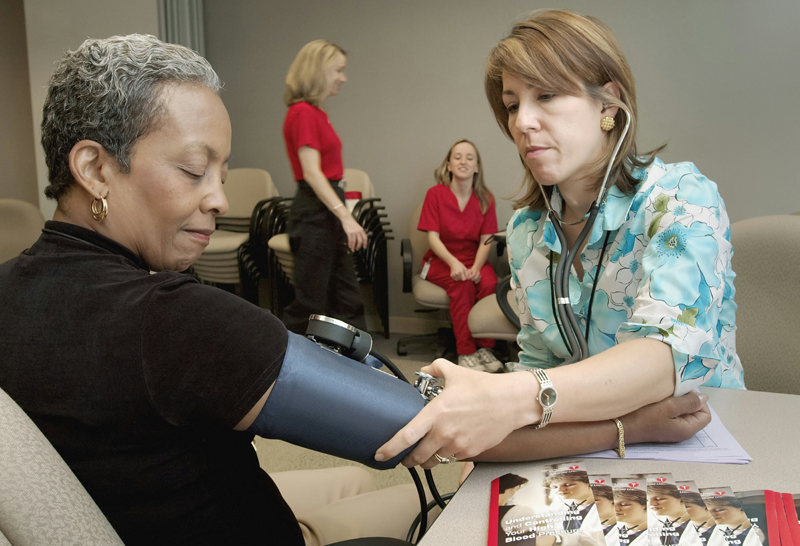
A medical exam is usually required for most immigration applicants, some categories of temporary residency, and even some work permits. The reasons are generally to ensure that applicants do not have medical conditions that could pose a risk to public health or place them under undue demand on Canada’s health care and social services.
Standard medical examinations include a physical examination, chest X-ray, and blood tests for infectious diseases such as tuberculosis and syphilis. Depending on the applicant’s age and medical history, other diagnostic tests or consultations with specialists may be necessary. A certified panel physician carries out all these tests to meet the standards of Canadian immigration medical.
What Are the 2 Different Types of Medical Exams?
There are two primary types of immigration medicals: upfront medical exams and medical exams requested after applying. An upfront medical exam is conducted before you submit your immigration application, which can speed up processing times in certain visa categories. This approach is particularly common for express entry candidates or applicants who know a medical exam will be a requirement.
On the other hand, some applicants are advised to undergo a medical exam after they have applied. In this case, the immigration authorities request a medical exam that is supposed to be completed within a certain period.
Both types of exams must be carried out in the same manner and shall be administered by an approved panel physician. Instructions from the immigration authorities to hurry up must not be taken too lightly.

Who Can Do Your Exam?
Only authorized panel physicians can perform immigration medical examinations for Canada. These physicians have been specifically approved by Immigration, Refugees, and Citizenship Canada (IRCC) to conduct the required assessments and provide direct access to results to immigration authorities.
They can’t just pay any doctor and hope their cases will meet this requirement. The physician from the medical panel performs a comprehensive review of the general health status through tests. The outcomes are submitted directly within the IRCC system.
It’s a good idea to check on the official IRCC-approved list for your chosen panel physician, ensuring that your medical exam is not invalid. Booking appointments well in advance will also avoid unnecessary last-minute stress and additional follow-ups.
When to Get Your Medical Exam? What to Bring?
The timing of your medical examination will depend on whether you opt to have an upfront medical exam or wait for a request from IRCC. If you opt for a pathway where upfront exams are allowed, then you will be able to schedule your medical assessment early so that it helps in the early processing of your immigration.
When attending your medical exam, you must bring the following items: a valid passport or government-issued photo identification, any previous medical reports or prescriptions, and the medical exam instructions provided by IRCC (if applicable). Applicants who require glasses or contact lenses should also bring them along to ensure accurate vision test results.
Being well-prepared for your medical exam can also minimize potential delays and ensure the panel physician has all the information they require to complete the assessment promptly.
Navigating the Final Steps of Your Immigration Medical Exam Journey
Completing a medical exam is an important milestone in the immigration process to Canada. However, it is equally important to be proactive in following up when necessary. After submitting the medical results from the panel physician, IRCC will review them as part of your application.
If your results meet the health requirements, your application moves to the next level. If further medical information or treatment is required, the immigration authorities will clearly communicate the steps or instructions., which means a prompt response to any requirement to prevent processing delays.
A medical should not be intimidating for someone who knows the significance of the immigration medical in the application process. In fact, an immigrant who has read their panel physician from the guide for preparing an appointment should have no trouble obtaining one.
A Step Towards a New Beginning in Canada
This immigration medical exam is more than just a procedure. It’s one of the critical steps in building a new life in Canada. Thus, knowing who requires a medical exam, the types of tests applied, and how to choose a certified panel physician will definitely ease the procedure.
Preparing for the appointment with all the necessary documents and knowing the IRCC guidelines in detail will make the process easier. Medical exams are part of every permanent residency, work permit, and temporary residence application.
If you are ready to take the next step toward your Canadian dream, schedule your medical exam with an authorized panel physician today. A smooth immigration journey starts with preparation—and we’re here to help you every step of the way. Get started now and take one step closer to your future in Canada!
Other articles from mtltimes.ca – totimes.ca – otttimes.ca