Homeowners comparing kitchen cabinet options in Canada often look at layout, materials, storage, and installation before choosing a supplier. Resources such as Morsun Kitchen Cabinets can be part of that research, but the bigger question is how cabinets will shape the way a kitchen works day after day.
Cabinets are often the part of the project that decides how the whole room will function, especially in homes across Toronto where layouts vary widely between older houses, condos, townhomes, and new builds.
Cabinets Shape the Way a Kitchen Works
A kitchen renovation may start with a countertop sample or a photo saved from a design page, but cabinets usually make the biggest difference in daily use. They decide where dishes go, how much counter space is left beside the stove, and how easy it is to unload groceries after a long drive through Toronto traffic.
In older homes in The Beaches, High Park, Leslieville, and Riverdale, kitchens can be narrow or divided into smaller zones. In newer condos around Liberty Village, CityPlace, and North York, storage can be limited even when the finishes look modern. Good cabinetry planning helps make use of awkward corners, tall walls, and small gaps that might otherwise be wasted.
This is why many homeowners now look at cabinets before choosing counters, backsplash, flooring, or lighting. Once the cabinet layout is clear, the rest of the kitchen becomes easier to plan.
What Toronto Homeowners Are Asking For
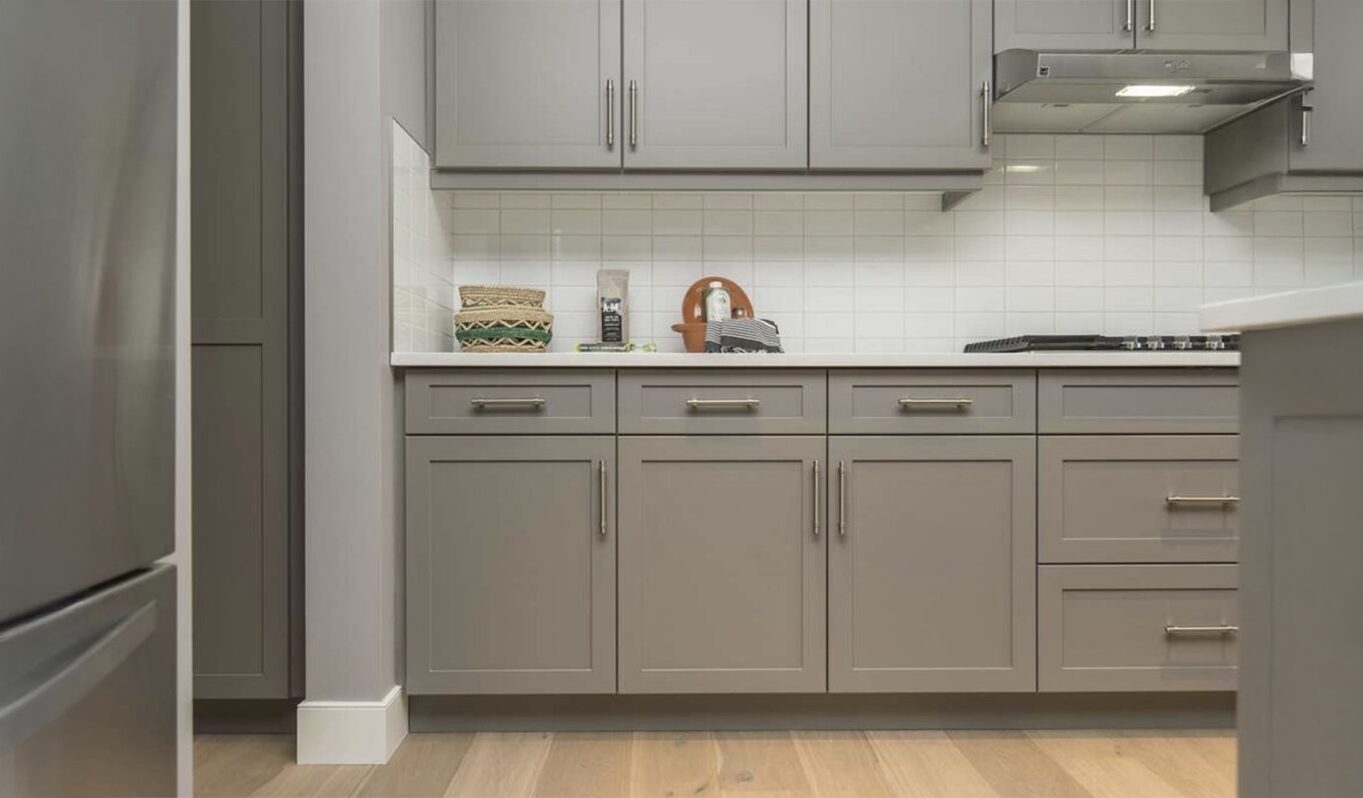
Kitchen design is moving away from cold, glossy spaces. Many homeowners now prefer warmer wood tones, softer whites, and finishes that feel calm without looking plain. White oak, walnut-inspired finishes, slab doors, slim shaker profiles, and mixed upper-and-lower cabinet colours are common choices.
In Toronto neighbourhoods such as Rosedale, Leaside, Forest Hill, and The Kingsway, many renovations lean toward quiet, classic cabinetry that works with the character of the home. In areas such as Queen West, King West, and the Distillery District, condo owners may choose cleaner lines, hidden handles, and lighter colours to keep compact kitchens open.
The goal is not to follow a trend for one season. It is to choose cabinetry that feels current but still makes sense five or ten years later.
Storage Matters More Than Ever
Storage is one of the first things people notice after living with a kitchen for a few months. A cabinet may look good on installation day, but the real test comes when pots, pantry items, small appliances, recycling bins, and school lunches all need a home.
Deep drawers can be easier to use than lower doors because items do not disappear into the back of the cabinet. Tall pantry cabinets can help families in Scarborough, Etobicoke, Vaughan, and Markham keep dry goods organized without adding bulky furniture. Pull-out trays, spice inserts, tray dividers, lazy Susans, and built-in waste sorting can also make a kitchen feel less crowded.
For condos in downtown Toronto, appliance garages and full-height cabinets can be useful because counter space is often limited. Keeping the toaster, blender, and coffee supplies behind doors gives the room a cleaner look without removing the items people use every day.
Materials and Hardware Deserve Attention
Cabinet doors are the part everyone sees, but the box, hinges, slides, and finish matter just as much. Toronto homes deal with winter dryness, summer humidity, heavy family use, and constant temperature changes near exterior walls and windows. A weak cabinet box or low-grade hinge can show wear quickly.
Homeowners should ask about cabinet construction, drawer weight ratings, soft-close hardware, finish durability, and moisture resistance around the sink and dishwasher. These details are not always visible in a showroom, but they affect how the kitchen ages.
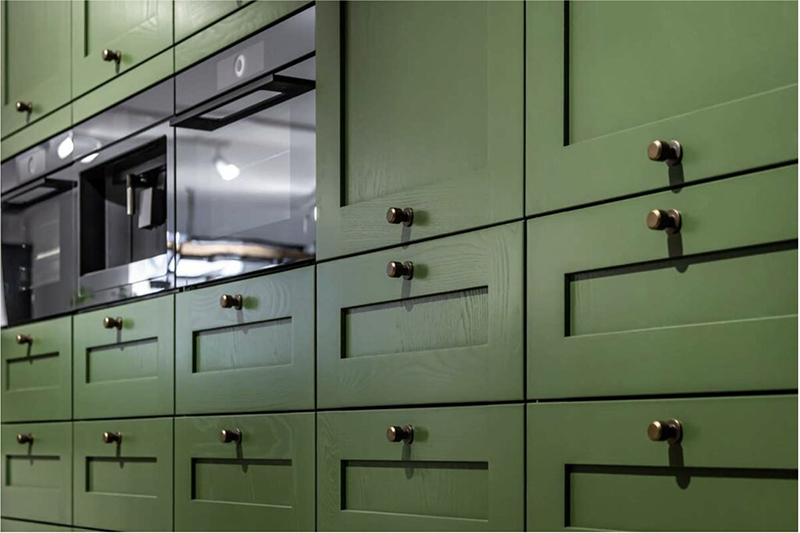
Hardware also changes the feel of the room. Small knobs can suit a traditional kitchen in Lawrence Park or Bloor West Village, while longer pulls may suit a modern condo near Harbourfront or Yonge and Eglinton. The best choice is usually the one that feels natural in the hand and fits the cabinet style.
Planning Before Ordering Cabinets
Before buying cabinets, homeowners should measure carefully, list the appliances they plan to keep or replace, and think about daily habits. A family that cooks often may need wide drawers near the stove. Someone who orders in more often may care more about coffee storage, recycling, and easy cleanup.
It also helps to decide early where lighting, outlets, plumbing, and ventilation will go. Moving any of these after cabinets are ordered can slow the project and add cost.
Kitchen cabinets are not just a design feature. They are the structure of the room. For homeowners in Toronto, North York, Etobicoke, Scarborough, Mississauga, Vaughan, and nearby communities, a well-planned cabinet layout can make the kitchen feel calmer, easier to use, and better suited to the way people actually live.
submitted post