Anyone who has lived through a West Island winter knows the small daily inconveniences of an aging home: the icy breeze near the dining room window, the foggy patches between double panes, the radiator that runs for hours and still cannot match the chill creeping in through the patio door. For most homeowners, the natural reaction is to crank up the thermostat and write the higher Hydro-Quebec bill off as the cost of Canadian living. The cost is real, though, and bigger than most people realize. According to Natural Resources Canada’s ENERGY STAR program for windows and doors, up to 25 percent of a home’s heating energy can escape through windows and exterior doors, which translates into hundreds of dollars in avoidable heating costs every winter for an average Montreal home.
That math is exactly why so many West Island and Vaudreuil-Dorion homeowners are using the spring months to plan window and door replacements before the next winter rolls in. Booking the work in May or June means a comfortable summer install schedule, a project completed well before October, and a measurably lower heating bill from the first cold snap. Companies that specialize in professional window installation in the West Island and Montreal already see their summer calendars fill up by mid-May, making timing a critical part of the decision. The right product choice, the right installer, and a working understanding of Quebec rebate programs can turn a daunting line item into one of the smartest home-improvement investments available.
The Hidden Cost of Tired Windows
Most West Island homes were built between the 1960s and the late 1990s, which means the original windows are well past their useful life. Wood frames have shifted with thirty Quebec winters of expansion and contraction. Aluminum frames have created cold bridges that condense moisture inside the wall cavity. Vinyl windows installed in the early 2000s often had inferior gas fills and single seals that have long since failed.
The result is a perfect storm of energy loss. Cold air rushes in through compromised weatherstripping. Argon or krypton gas leaks out of double-glazed units, dropping their R-value from a respectable R-3 down to R-1.5 or worse. Window frames sweat in February, which leads to mold growth and rotting sills that nobody notices until they peel back a curtain in March.
Beyond the energy waste, aging windows cause comfort problems that subtly affect daily life. Family rooms feel drafty even when the furnace is running. Bedrooms near outside walls stay cooler than the rest of the house. Patio doors stick or whistle in a strong west wind. None of these issues show up on a single Hydro bill, but they show up on every one.
How Modern Windows Actually Work
A modern replacement window is not just a fresh pane of glass in a new frame. The technology has changed dramatically over the past decade, and the gap between a 1995 window and a 2026 ENERGY STAR-certified unit is much larger than most homeowners realize.
The glass itself is now usually double- or triple-glazed, with the airspace between the panes filled with argon or krypton gas instead of regular air. A thin, almost invisible low-emissivity (low-E) coating reflects summer heat outward while bouncing winter heat back into the room. The spacer between the panes, once a heat-conductive aluminum strip, is now a warm-edge composite that prevents condensation around the frame edge.
Frames are equally engineered. PVC and hybrid frames are filled with insulating foam at key thermal break points. Aluminum frames are split with a polyamide thermal break that stops the cold from passing through the metal. Even the weatherstripping has evolved from compressible foam to multi-finger silicone seals that maintain their grip after thirty thousand open-and-close cycles.
PVC, Hybrid, and Aluminum at a Glance
Most West Island window replacements come down to choosing among three frame materials. Each has a place, and a good installer will recommend the one that matches the home, the budget, and the long-term plan.
PVC (vinyl) is the workhorse of Canadian residential window replacement. It does not rot or corrode, insulates well, and is the most affordable of the three. The only practical limit is that very wide spans, such as large picture windows, can benefit from additional structural reinforcement.
Hybrid windows combine a PVC interior with an aluminum exterior cladding. They give the warmth and energy efficiency of vinyl on the inside, with a sleek, modern aluminum finish on the outside that resists fading, hail, and the relentless Quebec freeze-thaw cycle. They cost roughly 15 to 25 percent more than pure PVC, but they last longer and need almost zero exterior maintenance.
Pure aluminum windows are typically reserved for commercial buildings, contemporary architectural homes, and oversized openings where structural strength is the deciding factor. With proper thermal breaks, they meet ENERGY STAR standards, but they are usually the most expensive option and offer fewer interior finish choices.
Doors: The Other Heat Loss Culprit
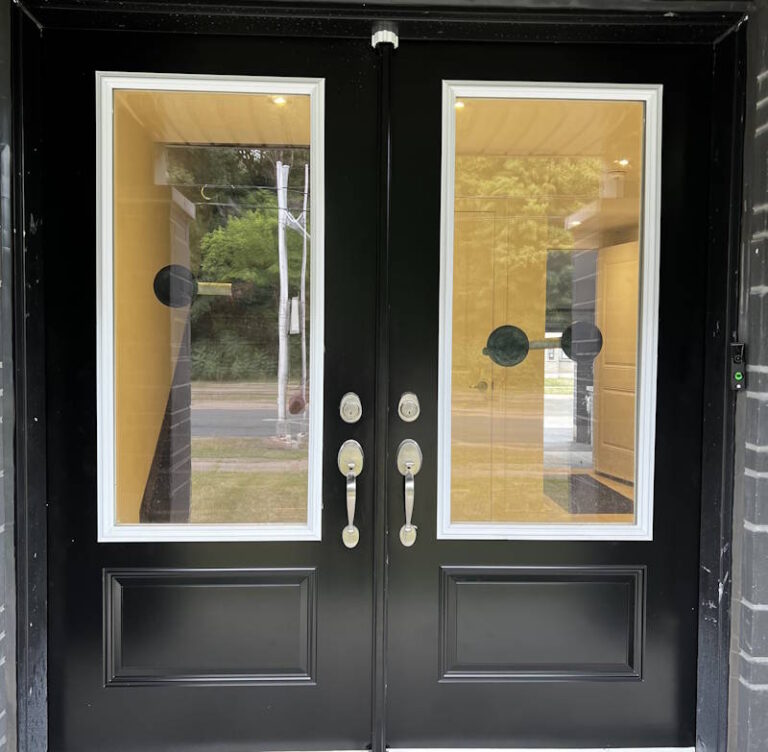
Windows get most of the attention in a renovation conversation, but exterior doors quietly contribute their share of energy loss. A poorly sealed front door, a sagging patio door, or a garage entry door with a worn weatherstrip can leak as much air as a small window left slightly open.
Modern replacement doors are insulated polyurethane cores sandwiched between steel or fiberglass skins. Steel doors offer the best security and are typically the most affordable. Fiberglass doors resist warping in extreme temperature swings, can mimic the look of stained wood, and tend to last longest in coastal-influenced humidity like the Lake Saint-Louis basin.
Patio doors have evolved most dramatically. The old aluminum slider that fogged up every winter has been replaced by triple-glazed hybrid units with multi-point locking systems and continuous bottom seals that virtually eliminate the icy draft along the floor.
A Real-World West Island Project
Consider a 1970s two-storey home in Pointe-Claire with 12 original aluminum windows and a single front door, heated primarily with an electric forced-air furnace. The household pays roughly 2,800 dollars per year in electricity, of which approximately 1,800 dollars goes to heating during the colder months. An energy audit attributes about 30 percent of that heating load to window and door losses, or roughly 540 dollars per year.
Replacing the 12 windows with ENERGY STAR-certified hybrid units and the front door with an insulated fiberglass model typically costs between 22,000 and 30,000 dollars installed in 2026, depending on size and style. Annual energy savings on heating alone usually range from 350 to 500 dollars per year, with additional summer cooling savings of 100 to 150 dollars when air conditioning is used.
On a pure energy payback basis, the project does not pay for itself in dollars alone. What it delivers is a 50 to 60 percent reduction in window-related heat loss, the complete elimination of drafts and condensation, a meaningful bump in resale value, and the comfort that comes from a quiet, evenly heated home. For most West Island homeowners, those non-financial benefits are exactly why they pull the trigger.
Window Material and Door Comparison Table
The table below puts the most common options side-by-side so homeowners can compare the practical differences before requesting quotes.
| Criteria | PVC | Hybrid (PVC + Aluminum) | Aluminum |
|---|---|---|---|
| Cost (relative) | Lowest | Mid to high | Highest |
| Energy efficiency | Very good | Excellent | Good (with thermal break) |
| Maintenance | Low | Very low | Low to moderate |
| Lifespan | 25 to 30 years | 30 to 40 years | 30 to 50 years |
| Best for | Standard residential | Modern look, coastal areas | Large spans, commercial |
| Color fade resistance | Moderate | Excellent (aluminum side) | Excellent |
| ENERGY STAR availability | Yes | Yes | Yes (with thermal break) |
Quebec Rebates and Credits Worth Knowing
The price tag on a window project rarely tells the full story, because several programs in Quebec can return a meaningful portion of the cost. Renoclimat, the long-running provincial efficiency program, offers grants for ENERGY STAR-certified window and door replacements when paired with a pre- and post-renovation energy evaluation. The grant amount varies by window size and performance rating, but for a full-home replacement, it can return 500 to 1,500 dollars.
The Quebec home renovation tax credit, currently structured to refund a percentage of qualifying expenses above a threshold, can be stacked with the Renoclimat grant for eligible work. The combination is one of the reasons spring is a smart time to plan: paperwork takes time, audits need to be scheduled, and rebate budgets are sometimes exhausted before year-end.
Working with an RBQ-licensed installer is mandatory to qualify for most of these programs, and the contractor’s invoice has to include specific energy performance data. Established West Island companies handle this paperwork as a matter of routine, which removes a significant administrative burden from the homeowner.
Why Spring Booking Pays Off
Beyond rebates and energy bills, there are practical reasons to schedule the work in May or June rather than later in the year. Installation crews are most available in the early summer, which means flexible start dates and shorter lead times. Manufacturing turnaround on custom-sized units runs four to eight weeks, so an order placed in May typically arrives for a July install, while a September order can push delivery into late October when temperatures start to bite.
Spring installations also allow crews to work in dry, mild weather, which simplifies caulking and exterior trim work. Homeowners benefit from cleaner job sites and faster completion times. By the time the first November cold front arrives, the new windows and doors have already been through several months of normal operation, with any minor adjustments made well before they matter.
The Takeaway for West Island Homeowners
A window and door replacement is one of the few home-improvement projects that improves comfort, lowers operating costs, and increases resale value at the same time. With Quebec winters showing no signs of getting milder and electricity rates trending steadily upward, the math behind upgrading old windows continues to improve year after year.
The smart approach is to start the conversation in spring, request quotes from RBQ-licensed installers with established experience on the West Island, and make use of every rebate the property qualifies for. A project planned now will be quietly working away by the time the first snow falls, paying back its homeowner one comfortable winter evening at a time.
submitted post