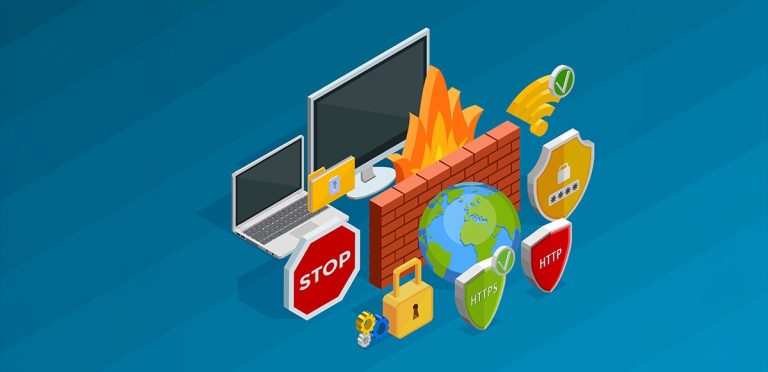

Undoubtedly, having a more connected house makes life easier and more efficient. However, as internet-based convenience grows, so does the potential of being a target of cyberpunks. Secure your smart home loT devices before Hackers steal and exploit your personal information and banking information, as well as take control of smart cameras and microphones to spy on you.
In other words, if you own smart speakers, TVs, thermostats, refrigerators, security cameras, and other similar gadgets, your privacy and security may be jeopardized. Because, in essence, there are several entrance points with weak protection, making you vulnerable to attacks. Here are some other ways to help secure your smart home:
1. Rename your router’s network
Don’t use the name that the manufacturer gave to the router since it might be used to identify the make or model. Give it a strange or a unique name that has nothing to do with you or your place. You don’t want your router’s name to reveal any personal information about you. People may be able to find the default login and password and get simple access to your smart home network if they discover the make and model.
You can rename your router instantly by logging into the admin interface of the router through the default gateway address, which for most routers is 192.168.0.1. Once you are logged into the admin interface, you can rename your wireless router.
2. Use a strong encryption method for Wi-Fi
When configuring Wi-Fi network access on your router, it’s a good idea to choose a strong encryption method, such as WPA3 or WPA2. This will aid in the security of your network and communications. Hackers are mostly interested in home routers as IoT targets. This will mean that your home router will be secure and a secure router translates to a far more secure smart home.
3. Change default usernames and passwords
Many IoT equipment comes with default passwords, which cybercriminals are likely to know. This gives them simple access to your IoT devices and, perhaps, the data they contain. It’s critical to have each IoT device’s account and app have its own set of credentials. This ensures that even if one device’s password is hacked, the others remain secure.
The password of the admin interface of your router that you can access via 192.168.1.1 or any other similar address is vital and if you don’t change the default admin password of your router, you can find yourself in big trouble if a hacker manages to gain entry.
4. Keep your software up to date
Don’t put off installing a software update that your smartphone maker provides you. It’s possible that it’s a fix for a security problem. Because you may connect to your smart home via mobile devices, mobile security is crucial. Your IoT device manufacturers may also send you updates, or you may have to check their websites for them. To keep secure, make sure you download and install updates on your device.
5. Disable features that you don’t use
Many IoT gadgets allow you to control them from any location on the earth. Disable remote access if you only use them on your home’s Wi-Fi connection. It may sound weird, but an active microphone may be used to listen in on your chats if it is hacked. Deactivating features entails blocking as many of those various entry points as possible to make your smart home and IoT devices more secure.
6. Employ a next-generation firewall (NGFW)
A next-generation firewall (NGFW) is a network platform that combines a standard firewall with extra security features like the ones stated above. An NGFW contains all of the features of a typical firewall, making it effective at detecting and preventing cyberattacks.
Although next-generation firewalls are an expensive investment, the amount of security increase they provide for your smart home makes it worthwhile. After all, if you can afford the devices, you can certainly afford to spend a bit more to protect them. You’re protecting your privacy by doing so.
7. Enable two-factor authentication
Two-factor authentication (2FA) is an extra layer of protection that goes beyond a password. When someone tries to log in to your IoT device using two-factor authentication, they must give extra evidence of identification. This proof can take the form of a one-time pin (OTP) or a verification code delivered to your phone or email address, which verifies that the person logging in is you.
8. Create a separate Wi-Fi network for IoT devices
The option to create a guest (or secondary) network is available on many current routers. You may protect your primary network from IoT risks by building a secondary network devoted to your IoT devices. This will lead to your friends, visitors, and guests accessing a network that isn’t connected to your IoT devices. Because IoT devices are connected to a separate network, even if the hackers managed to get in, they won’t be able to access any of the devices connected to the main network.
Other articles from mtltimes.ca – totimes.ca – otttimes.ca

Omicron COVID-19 Variant is in Quebec

Latest data sees rise in separation anxiety as Canadian pet owners start to return to office