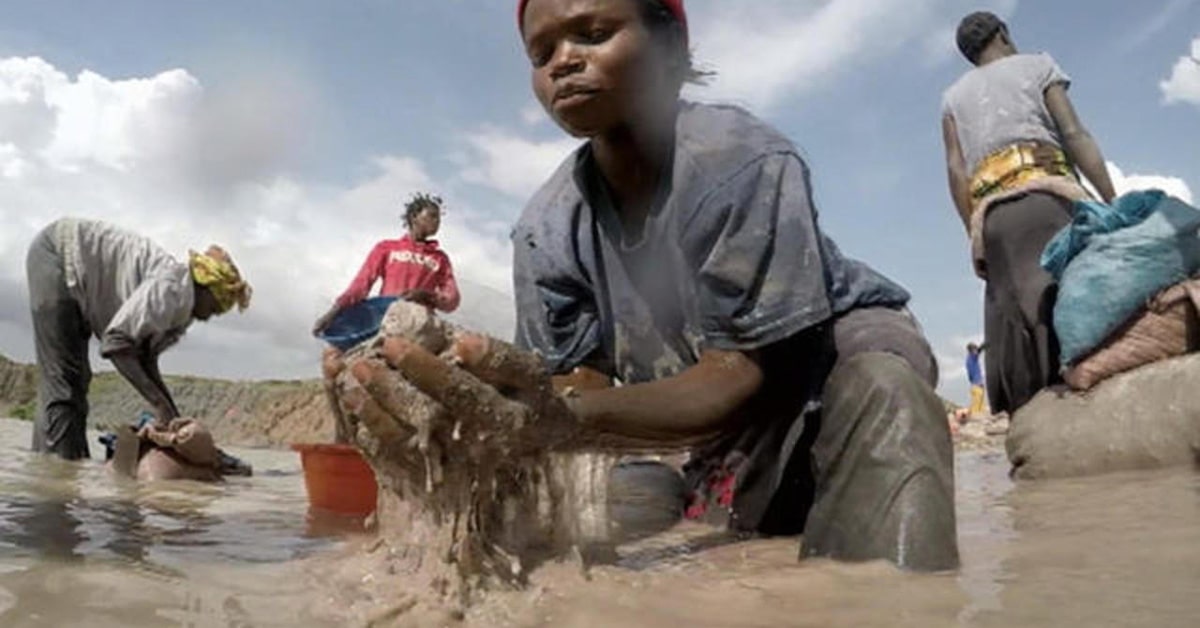
Child Labour – Ahead of Black Friday, World Vision Canada marks the 10th anniversary of its No Child for Sale campaign which now advocates for 160 million children forced to do dirty, dangerous and degrading work that harms their development, mental and physical wellbeing.
World Vision Canada’s current research also shows the value of Canadian imports of everyday products, like groceries and clothing, that are at risk of being produced by child or forced labour, has increased to $43 billion as of 2020*. This represents a 22% rise over the past five years compared to only 2% for overall imports during the same time period.
“10 years is too long. Canadian connections to a global child and forced labour problem continues to worsen. The time for strong action is now,” says Michael Messenger, President and CEO of World Vision Canada. “Our federal government has not yet been proactive enough. Members of the House and Senate have introduced bills, other countries have moved forward with legislation — and yet we are still waiting for concrete action. We are eager to see if the government will follow through on its election promises. We cannot sit idly by as boys and girls are exploited and hidden from view by opaque corporate supply chain policies.”
“The government needs to level the playing field for Canadian companies. It’s unacceptable that some companies are simply ignoring the problem while others are doing the right thing,” said Senator Julie Miville-Dechêne. “The bill I will be re-introducing is asking companies to do the right thing and for the government to ensure they’re doing so. Canadians don’t want to contribute to the problem, they want our companies and government to be part of the solution.”
More than 150,000 Canadians have signed World Vision’s main petition calling on the Government of Canada to commit to supply chain legislation in Canada that requires companies to publicly report and take action on human rights abuses in the production of the goods they make and sell. Tens of thousands of Canadians have also written directly to their MPs, various Ministers and to Parliamentary Committee Members to move the legislation process forward.
“Throughout this past decade, youth and students from across the country have actively called for Government action,” said Cherie Wai, Youth Engagement and Advocacy Officer, World Vision Canada. “No Child For Sale has empowered Canadians to develop ethical consumer habits and to also impact systemic change by collectively working toward getting corporate transparency solidified in the Canadian lawbooks.”
Ahead of Black Friday and the holiday shopping season, Wai encourages Canadians to continue to shop for gifts that are ethically and sustainably produced. “World Vision has teamed up with FairTrade Canada, an organization that aims to root out child labour and exploitation, to share five comprehensive guides to help with good shopping. Our ‘Good Holiday Shopping Guide’ takes the risk out of holiday shopping by sharing brands and products that take extra steps to avoid child or forced labour.”
Other articles from mtltimes.ca – totimes.ca – otttimes.ca

Latest data sees rise in separation anxiety as Canadian pet owners start to return to office