

Shipping across borders can be tricky. You’ve packed your goods, picked a carrier, and hit “send,” only to learn that your shipment is delayed; or worse; fined. The good news is: most of these problems can be avoided with a little prep.
Many people run into the same issues: missing paperwork, wrong labels, or not knowing the rules of another country. These mistakes can cost you time, money, and trust. In this guide, we’ll show you how to avoid those common slip-ups so your packages arrive on time and stress-free.
Know the Rules Before You Ship
Cross border shipping requires understanding the rules before you send any package. Each country has its own customs regulations, taxes, and paperwork. Missing these details can lead to delays, fines, or returned shipments. Learning the requirements in advance makes cross border shipping smoother and more reliable.
Why Understanding Rules Matters
Customs officials check every package coming into their country. They want to make sure everything follows their laws and that any taxes or duties are paid. If your shipment misses paperwork or has something banned or restricted, it can be delayed or fined. This wastes time and money, which nobody wants.
What You Need to Know
Before sending your shipment, find out what documents are needed. Usually, this includes things like commercial invoices, packing lists, and sometimes special permits depending on what you’re shipping. You also need to know if your product is allowed in the destination country. For example, some foods, chemicals, or electronics may have restrictions or require extra approvals.
Where to Find the Rules
The best way to know the rules is to visit the customs website of the country you’re shipping to. You can also ask your shipping company or freight forwarder for advice. They often have experts who understand the latest regulations and can help you prepare the right documents.
Label Everything the Right Way
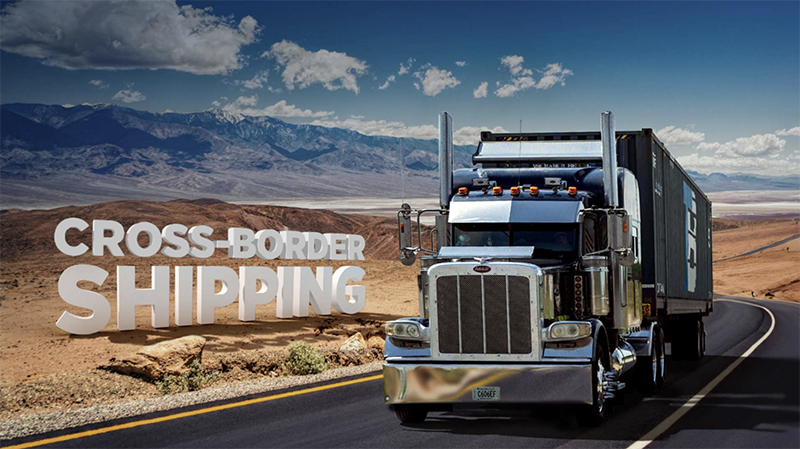
When it comes to cross-border shipping, labeling everything the right way is crucial to avoid delays and fines. Proper labels help customs officers quickly understand what’s inside your package, where it’s going, and who it’s from. Without clear and accurate labels, your shipment might get stuck or even sent back.
Why Proper Labeling Is So Important
Customs workers rely on labels to identify your shipment. If labels are missing, unclear, or wrong, they can’t process your package quickly. This confusion often causes delays or extra inspections, which can add unexpected costs. Plus, incorrect labels might make your package seem suspicious, leading to fines or seizures.
What Should Be on Your Labels?
Your package label should include the recipient’s full name, address, and contact number. Make sure the address matches the shipping documents exactly. Also, add a clear description of what’s inside the package. Be honest and specific—this helps customs understand what you’re sending. For example, write “cotton T-shirts” instead of just “clothes.”
Tips for Labeling Correctly
Use a sturdy, easy-to-read label that won’t fall off or smudge during transit. Place the label on the largest flat surface of your package so it’s easy to see. Avoid covering it with tape or stickers that might make the information hard to read. Double-check all details before shipping to avoid mistakes.
Work with a Trusted Shipping Partner
In cross-border shipping, working with a trusted shipping partner is key to avoiding common delays and fines. Shipping internationally can be complicated, and having experts by your side makes the process much smoother. A reliable partner knows the rules, paperwork, and steps needed to get your shipment through customs quickly.
Why a Trusted Partner Makes a Difference
Shipping companies with experience in international deliveries understand the challenges you might face. They know which documents to prepare, how to label packages correctly, and how to handle any customs issues that pop up. Without this expertise, it’s easy to make mistakes that cause delays or fines.
What to Look for in a Shipping Partner
Choose a shipping company that specializes in cross-border shipping and has good reviews from customers. They should offer clear communication and be ready to answer your questions. A trusted partner will guide you through the process, helping you avoid common pitfalls that slow down shipments.
How They Help You Save Time and Money
A reliable shipping partner can help you prepare all necessary paperwork and ensure your shipment meets regulations. They often have connections with customs agents, which can speed up clearance. Plus, they know how to handle unexpected problems quickly, saving you from costly delays or fines.
Double-Check Before You Send
When it comes to cross-border shipping, taking a moment to double-check before you send can save you from costly delays and fines. It’s easy to overlook small details, but these tiny mistakes can cause big problems once your shipment reaches customs.
Why Double-Checking Matters
Customs officials are strict about paperwork and package details. If something is missing or incorrect, your shipment might be held up for days; or worse, fined. Double-checking helps catch errors before they become costly issues. It’s like giving your shipment a final safety check before it hits the road.
What to Review Before Shipping
Go over your shipping documents carefully. Make sure all forms are complete and accurate, including the commercial invoice, packing list, and any permits needed. Confirm the recipient’s address and contact info are correct. Also, verify the description of your goods matches what’s actually inside the package.
Check the Package Itself
Take a quick look at the physical package. Are the labels clear and firmly attached? Is the packaging secure enough to protect the contents? A well-packed and properly labeled box reduces the chance of damage or confusion during transit.
Conclusion
Avoiding delays and fines in cross-border shipping isn’t hard; you just need to stay ahead. Know the rules, label right, double-check everything, and work with smart partners. Follow these simple steps, and your shipments will glide through customs like a breeze. Smooth shipping starts with smart planning.
Other articles from mtltimes.ca – totimes.ca – otttimes.ca