Coronavirus is known to have come from a bat. Due to the extent that the virus is spreading, it’s not uncommon for people to worry that the virus will spread in their community as a result of the local bat population. Despite how COVID-19 likely came from bats, luckily, this is not the case. In this article, we will explore why there is no need to worry about COVID-19 being spread through your local bat populations.

How COVID-19 started
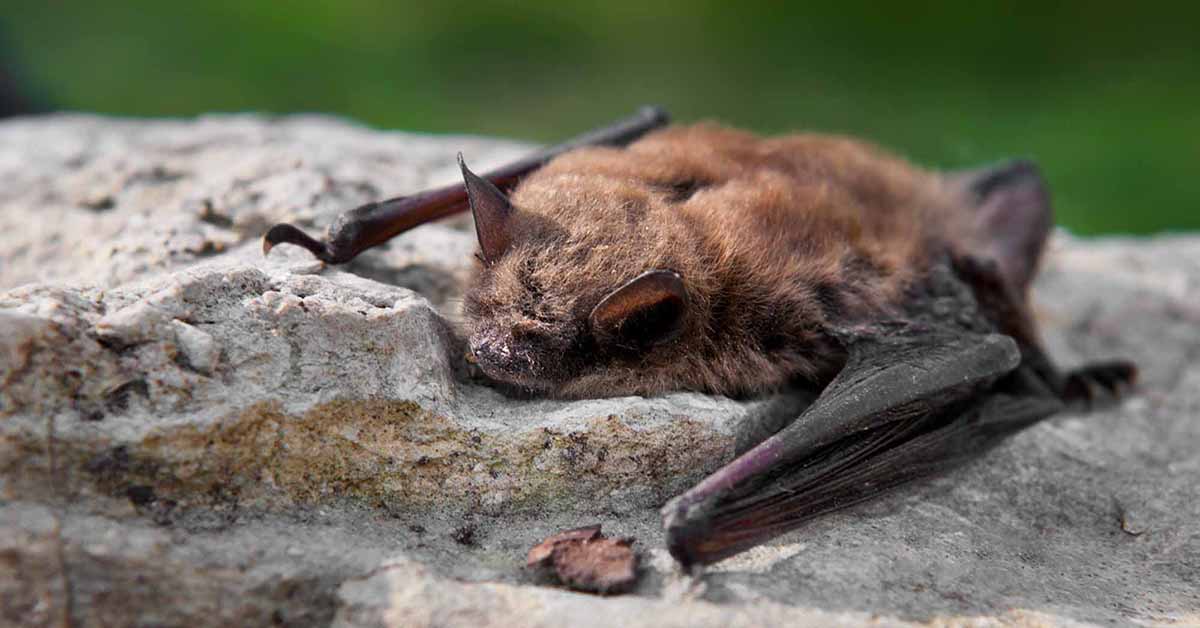
Contrary to popular belief, coronavirus is actually an incredibly old virus. Having lived in horseshoe bats in southern China for thousands of years, bats have evolved to not even notice the virus. It was only when the bats began to come into close contact with pangolins that the virus was able to mutate and infect humans. On top of that, humans had to consume bats in order for the virus to infect its first host. The most important information to take away from that is that the virus was in horseshoe bats and the bats had to be eaten for it to spread.
The importance
In order for the virus to infect humans, one would have to come in contact with the cross-genetic hybrid of the virus. This is only present where horseshoe bats and pangolins are in close contact. While the origin of the virus continues to be a mystery to scientists, it’s largely believed that it can be traced to the animal markets. These markets are where pangolins and horseshoe bats were in close contact. Thus, the virus has been limited to these markets. That means that local bat populations are extremely unlikely to spread the virus to humans. The virus is far more likely to be spread by human-to-human contact as opposed to close contact with a bat.
Why you shouldn’t worry about bats
Because bats typically stay away from humans, the virus is extremely unlikely to be spread to you through the creature. Humans, however, shouldn’t go out looking for bats just because they are unlikely to be infected. There are a host of other problems that COVID-19 can cause for bats. Bat populations are actually being impacted heavily by the virus. The virus is only native to the horseshoe bats and, because it’s a mutated form, even horseshoe bats aren’t safe.
Are bats in danger due to COVID-19?
As you read above, bat populations that are exposed to the virus are in danger of becoming fatally ill. If you have bats in your home, you should then call a professional. This is mostly for the bats’ protection because, if you do happen to be carrying the virus with no symptoms, it can quickly spread through a local bat population and decimate it. Keeping the virus away from local bat populations is crucial.

What to remember about COVID-19
As we continue to power through the impacts of the COVID-19 pandemic, it’s important to remember that humans have no reason to fear bats. Bats cannot spread the virus to humans and are, in fact, at a far greater risk of dying from the virus than humans are. The virus itself was only able to spread to humans because of the close contact that bats had with pangolins at the time. The virus itself is unlikely to be spread by bats because of the unlikely odds of that perfect scenario. Bats are not our enemy because of this virus. If you do have bats in your house, then it is important to seek professional help. If a bat is in your home, there is no reason to kill it. Instead, call a professional to have the bat removed and the area cleaned. Remember that the best way to stay safe throughout the pandemic is to socially distance, wear a mask, and wash your hands.
Other top articles from mtltimes.ca – totimes.ca – otttimes.ca

How the pandemic struck sectors boom post COVID-19?

How do you feel Festivals no longer banned in Quebec up to 250 people?