
Most adult children in Montreal know the signs of aging in a parent: slower steps, a louder television, a tendency to nod off after dinner. What few realize is that some of those changes might not be aging at all – they could be symptoms of obstructive sleep apnea (OSA), a condition that becomes dramatically more common with age and remains shockingly underdiagnosed in older Canadians. According to the Canadian Lung Association, an estimated 50 percent of seniors live with sleep apnea, and roughly 80 percent of those cases go undetected. For an aging parent, that diagnostic gap is not a small thing. Untreated OSA is linked to higher blood pressure, faster cognitive decline, dangerous daytime sleepiness and an elevated risk of falls. The good news is that the most reliable treatment, continuous positive airway pressure (CPAP) therapy, has never been quieter, smaller or easier to live with.
Why Sleep Apnea Gets Missed in Older Adults
Sleep apnea in seniors hides in plain sight because its hallmark symptoms overlap with what most families already chalk up to aging. Daytime fatigue, brain fog, irritability, mild forgetfulness, restless nights – these look like the natural cost of getting older, not red flags pointing toward a treatable medical condition. The Canadian Longitudinal Study on Aging found OSA prevalence of 17.8 percent in women and 25 percent in men over 65, but those numbers almost certainly understate reality because so few seniors are ever screened.
There is also a structural problem. Many seniors are widowed or sleep alone, which means no one is around to hear the loud snoring, choking sounds or pauses in breathing that typically trigger a diagnosis in younger adults. Standard screening questionnaires were designed for working-age people and tend to ask about job performance and driving habits, not retirees. Add in the fact that the average senior’s GP appointment is already crowded with cardiac, diabetic and orthopaedic concerns, and sleep complaints often slip to the bottom of the list.
Warning Signs Worth a Second Look
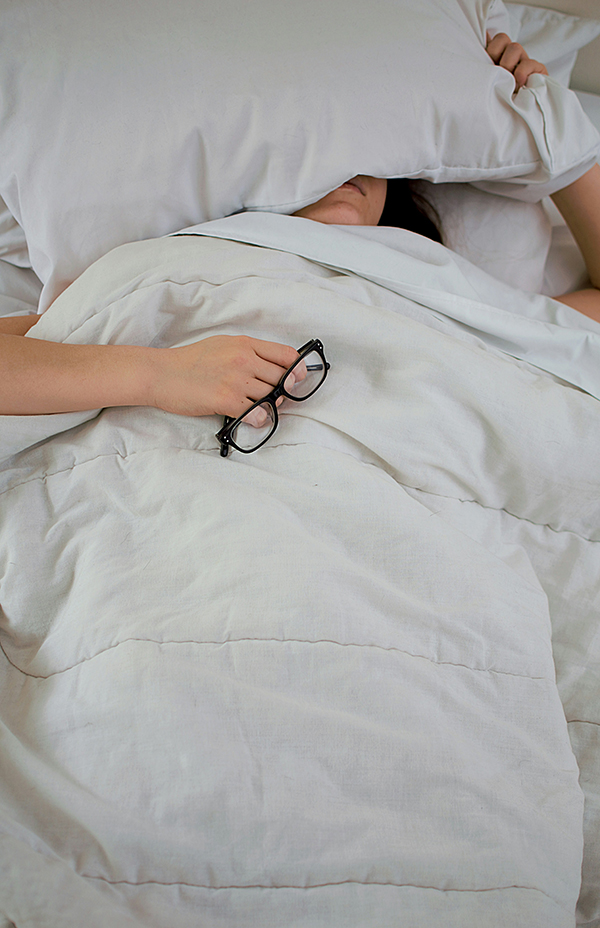
The clearest signal of sleep apnea in an older adult is excessive daytime sleepiness that is out of proportion with their schedule – a parent who nods off mid-conversation, mid-meal or while watching the news, even after what looks like a full night in bed. Other clues that families tend to misread include morning headaches that fade within an hour or two of waking, frequent nighttime bathroom trips often blamed on the prostate, a noticeable drop in short-term memory or organization, and loud, irregular snoring with audible gasps or silent pauses.
None of these signs alone proves sleep apnea, but each is reason enough to raise the question with a family doctor and request a referral for a sleep assessment.
The Dementia Connection No One Talks About
Sleep is when the brain clears metabolic waste, consolidates memory and recovers from the day. When breathing stops dozens of times an hour, oxygen levels dip, sleep fragments, and the brain pays the bill. A meta-analysis covering more than 212,000 participants across six prospective studies found that adults with OSA were 26 percent more likely to develop significant cognitive decline or dementia over follow-up periods of three to fifteen years. Research from Michigan Medicine has shown the effect is especially pronounced in older women, who are diagnosed less often and treated later.
The biological mechanism is now reasonably well understood. Repeated drops in oxygen injure brain cells, particularly in memory-related regions. Fragmented sleep drives chronic inflammation. Over time, this can show up as small-vessel disease, microinfarcts, reduced grey matter and abnormal levels of Alzheimer’s biomarkers in cerebrospinal fluid. Encouragingly, case studies have shown that one year of consistent CPAP therapy can normalize some of those biomarkers and improve cognitive complaints. For a family watching a parent become more forgetful, that is a meaningful lever to pull before assuming the trajectory is fixed.
Cardiovascular Strain and Fall Risk
The other quiet damage from untreated apnea happens below the neck. Each apnea event triggers a stress response: heart rate spikes, blood pressure surges, the cardiovascular system never gets the overnight rest it needs. Over years, this drives hypertension that is hard to control with medication, increases the risk of atrial fibrillation and raises the odds of stroke. For older adults, the daytime consequences can be just as serious. Drowsiness behind the wheel becomes a public-safety issue, and unsteady, sleep-deprived seniors are more likely to fall – the single biggest predictor of loss of independence in this age group.
Signs to Watch For
The table below sorts everyday observations into two columns: changes families typically write off as aging, and the same observations reframed as possible sleep apnea signals worth investigating.
| Often dismissed as “just aging” | Possible sleep apnea red flag |
|---|---|
| Falling asleep in front of the TV after dinner | Excessive daytime sleepiness despite a full night in bed |
| Getting up two or three times to use the bathroom | Nocturia driven by apnea-related blood chemistry shifts |
| Dull morning headaches that fade by mid-morning | Overnight oxygen dips causing cerebral vasodilation |
| Forgetting names, dates, recent conversations | Cognitive impact of fragmented sleep and low oxygen |
| Mood swings, irritability, low motivation | Sleep deprivation mimicking or worsening depression |
| Loud snoring – “dad has always snored” | Snoring with audible gasps, choking or silent pauses |
| Unsteady on their feet, occasional stumbles | Drowsiness-related fall risk, a top driver of senior injury |
Bringing It Up Without Bruising Pride
Suggesting to a parent that they might have a medical issue is rarely well received. The conversation tends to land better when it is framed around energy and quality of life rather than illness. Instead of “I think something is wrong,” try “You seem more tired than you used to be – it might be worth asking your doctor about your sleep.” Mention that modern testing is straightforward: in most cases a home sleep test, a small device worn for one or two nights, replaces an overnight clinic stay. Offer to come along to the GP appointment, which doubles as a gentle nudge and a way to make sure the topic actually gets raised.
If a parent resists, simply planting the seed and revisiting it after the next bad night is often more effective than pushing hard in a single conversation.
What CPAP Therapy Looks Like in 2026
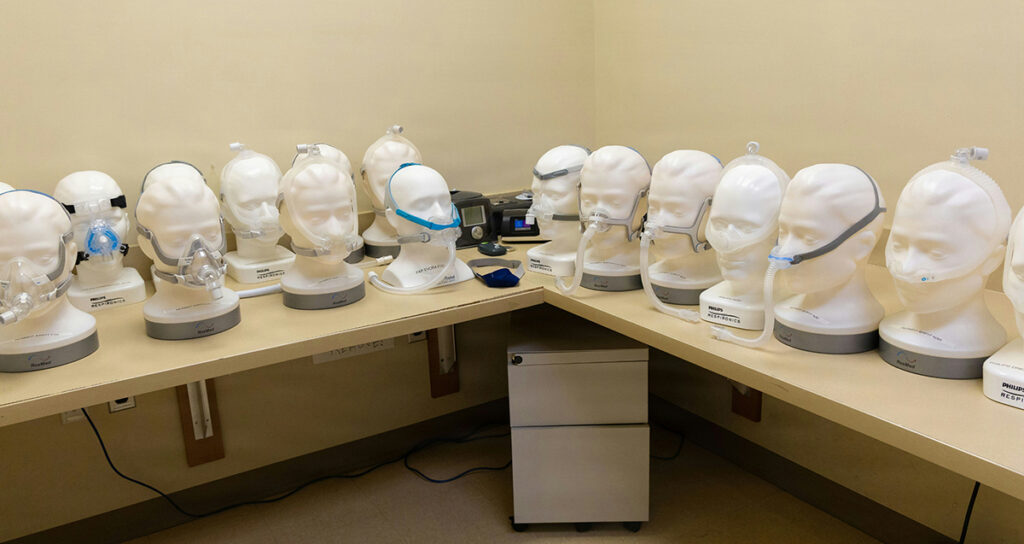
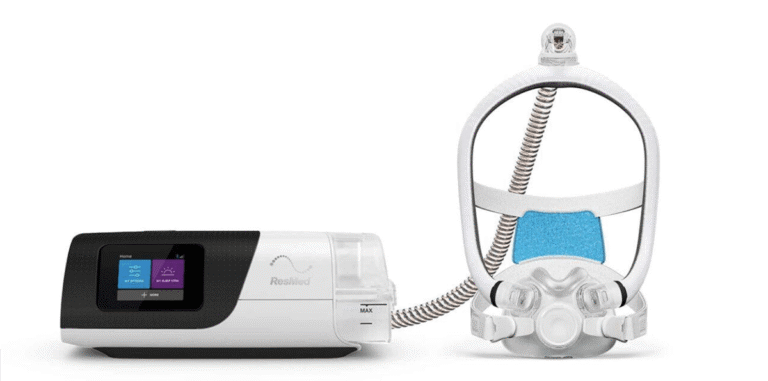
The image many seniors have of CPAP – a noisy box and a clunky mask out of a 1990s respiratory ward – is roughly two decades out of date. Today’s machines are about the size of a paperback novel, run nearly silently and adjust airflow breath by breath. Heated humidifiers eliminate the dryness that used to be a top complaint. Masks have shrunk to minimalist nasal pillows or low-profile cushions, and cloud connectivity lets clinicians monitor adherence and tweak settings remotely, which matters when a parent lives across town or across the country.
Mask comfort and the right machine are the two biggest predictors of whether someone sticks with therapy past the first week. That is why families generally do better working with a specialized respiratory retailer rather than ordering blind online. In Quebec, Respiart’s lineup of ResMed CPAP machines and accessories covers everything from the entry-level AirSense for nightly home use to the travel-sized AirMini for snowbirds heading south, with the fitting and follow-up support that make the difference between a device that gets used and one that ends up in a closet.
The first month is the hardest. Skin marks, mild claustrophobia and dry mouth are common but almost always solvable with a mask swap or humidity adjustment. By month two, most patients report better mornings, more even moods, and partners report quieter nights.
Frequently Asked Questions
At what age should I start watching for sleep apnea in a parent?
Prevalence rises sharply after age 50 and again after 65. If a parent is in their sixties or older and shows daytime sleepiness, loud snoring or memory changes, it is worth raising with their doctor regardless of weight or fitness level.
Does my parent really need to spend the night in a sleep lab?
Usually not. Home sleep apnea tests are now the standard first step for most patients in Quebec and across Canada. They use a small recorder worn at home for one or two nights and are far less intimidating for older adults than an overnight clinic stay.
Are there alternatives to CPAP?
For mild cases, weight management, positional therapy or a custom mandibular advancement device fitted by a dentist may be enough. For moderate to severe OSA, CPAP remains the gold-standard treatment endorsed by sleep specialists worldwide.
Will RAMQ or private insurance cover a CPAP machine in Quebec?
Coverage varies. Most private insurance plans reimburse a portion of CPAP costs with a prescription and confirmed diagnosis. RAMQ does not cover the device itself for most adults, but the diagnostic sleep study is generally covered. A reputable retailer can help families navigate the paperwork.
What if my parent refuses to wear the mask?
Refusal is almost always a mask or pressure-setting issue rather than a rejection of therapy itself. A proper refitting, a quieter machine or a switch to nasal pillows resolves the vast majority of cases within the first month of use.
submitted post