Rhinoplasty is a highly requested cosmetic surgery in Quebec. People from all over the province, including Montreal, Laval, and Quebec City, seek specialists who can reshape the nose for aesthetic or breathing purposes. Rhinoplasty has grown in popularity, and local doctors say demand reflects both cosmetic trends and functional health needs.
Rhinoplasty changes the bone and cartilage of the nose. It can fix a deviated septum or other functional issues. It can change the whole look of the nose. Elective rhinoplasty for cosmetic purposes is paid out of pocket in Quebec, because provincial coverage doesn’t reimburse cosmetic procedures. Functional surgery to improve breathing may be covered under provincial health insurance if deemed medically necessary.
The cost of rhinoplasty varies. Local clinics in Montreal typically list surgical fees for cosmetic rhinoplasty ranging from $6,000 to $12,000, according to a report by General Magazine Canada. This range depends on how challenging the surgery is and if additional work is needed to address breathing or structural concerns. Montreal clinic pricing also includes facility and surgeon costs.
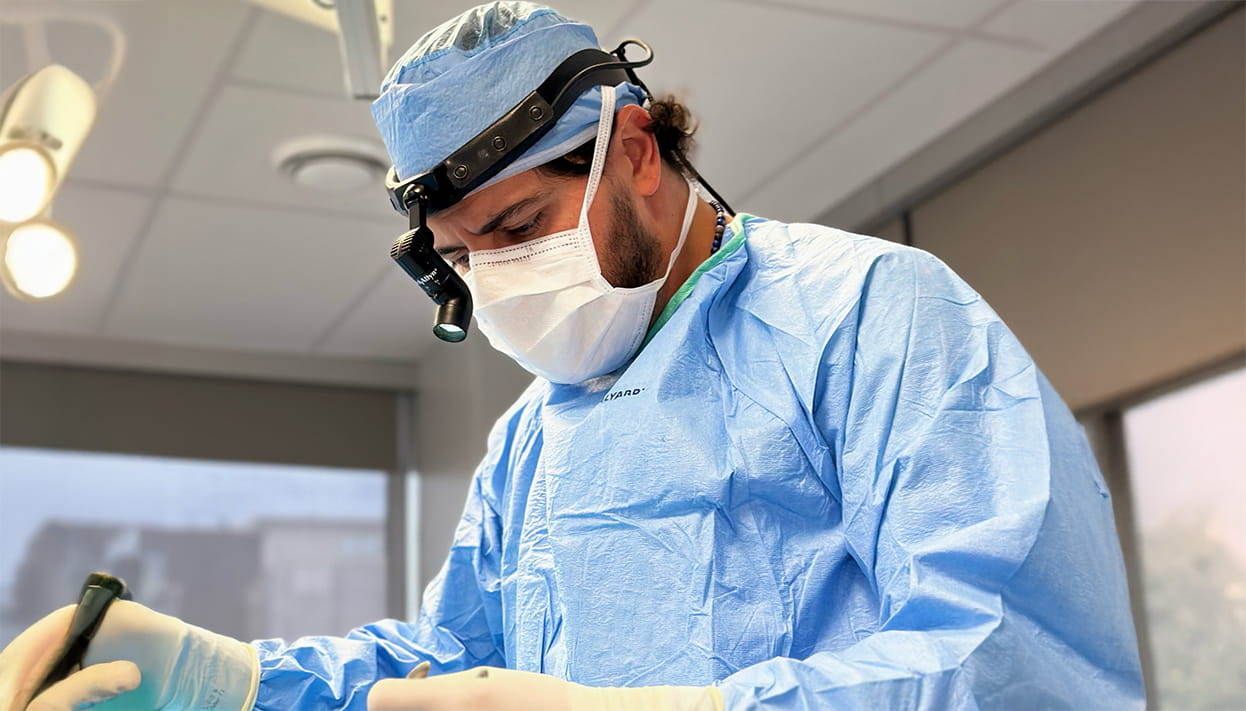
“Each patient is different,” says Dr. Zahi Abou Chacra, a plastic surgeon based in Montreal. “Some noses need small adjustments. Others need structural work to fix breathing or symmetry issues. That impacts how long the surgery takes and what methods we choose.”

Surgeons in Quebec typically meet with each patient to understand their goals and explain what realistic results look like. Dr. Chacra says that knowing both aesthetic and functional aspects of rhinoplasty is important. “I always explain to patients what surgery can and cannot do. Realistic expectations help patients make the best decisions for themselves.” He notes that recovery time and healing are also important parts of that discussion.
How long does it take?
Rhinoplasty is typically done under general anesthesia, and the surgery takes 2-3 hours. Patients generally go home the same day. Swelling and bruising are common symptoms. Full recovery can take several months as the swelling gradually fades and the final shape starts to show.
No-surgical method
There is also growing interest in non-surgical rhinoplasty. This method uses injectable dermal fillers to temporarily reshape the nose without making cuts. Costs for non-surgical or liquid rhinoplasty in Montreal typically range from $600 to $1,200 per session, with results lasting between 6 and 18 months. The appeal for some people is that the procedure is non-invasive and has less downtime than surgery, but it isn’t suitable for everyone and doesn’t address functional issues.
Patients considering rhinoplasty in Quebec also face bigger systemic realities. Though cosmetic procedures are not publicly funded, waitlist data for medically necessary plastic and reconstructive surgery signal pressure on the health system. For example, regional data from early 2025 shows more than 3,000 people in Montreal are waiting for plastic and reconstructive surgery for health reasons. Rhinoplasty for functional improvements may fall under these categories when a surgeon or physician determines it is medically necessary.
Because cosmetic rhinoplasty costs are primarily paid by patients, financial planning becomes part of the decision process. Some clinics offer payment plans, and patients may rely on savings or private financing to manage the fees. Cost and financing are typically discussed during a consultation, so patients are aware of what they will pay out of pocket.
Safety
Safety is a big concern in any surgery. Rhinoplasty involves delicate facial structures, and, like all surgeries, carries risks. These risks can include bleeding, infections, and reactions to anesthesia. Surgeons in Quebec stress the importance of choosing a qualified, experienced professional. “Your surgeon should be someone who knows both the aesthetic and functional sides of rhinoplasty,” says Dr. Chacra.
Professionals advising patients emphasize detailed evaluation before surgery. A thorough assessment includes nasal structure, skin quality, and overall facial proportions. It also includes imaging tools that help patients and surgeons discuss realistic outcomes.
Planning
Patients who choose to get surgery usually engage in a planning process that includes pre-op exams, preparation guidance, and discussions about the healing timeline. Follow-up care after surgery is part of the process for monitoring recovery and addressing any concerns that arise.
Overall, rhinoplasty in Quebec involves balancing personal goals, medical needs, and financial planning. With most cosmetic costs paid by the patients themselves, knowing what to expect and how the process works is critical. Local surgeons say careful planning and good communication help ensure quality results and an easy recovery.