Keeping a home clean can be challenging when daily routines are already filled with work, family responsibilities, and other tasks. Floors collect dust, crumbs, pet hair, and dirt throughout the day, making regular vacuuming an important part of household maintenance. Modern technology has introduced a more convenient solution through smart cleaning devices that can handle floor cleaning with minimal human effort.
A robot vacuum is designed to move around your home independently while collecting dirt and debris from different floor surfaces. With smart navigation, automatic cleaning programs, and increasingly advanced features, these devices have become useful tools for maintaining cleaner living spaces. A robotic automatic vacuum takes this convenience even further by combining automated movement with intelligent cleaning functions, allowing users to spend less time dealing with everyday floor maintenance.
What Is a Robot Vacuum?
A robot vacuum is a compact automated cleaning device designed to vacuum floors without requiring constant manual control. Unlike a traditional vacuum cleaner that needs to be pushed around the house, it can navigate independently across rooms and cleaning areas.
Most modern models use sensors to identify furniture, walls, stairs, and other obstacles. Depending on the model, a robot vacuum may also create a map of the cleaning area, helping it understand where it has already cleaned and which areas still require attention.
This automation makes robotic cleaning particularly useful for people who want to maintain their floors regularly without adding another major task to their daily schedule.
Understanding a Robotic Automatic Vacuum
A robotic automatic vacuum is built around the idea of hands-free cleaning. Instead of manually controlling the device throughout the cleaning process, users can often schedule cleaning sessions or start the vacuum through a connected application or control system.
Some advanced models can automatically return to their charging stations when their batteries become low. After charging, certain devices can resume cleaning from where they stopped. These features make automated floor care more practical for larger homes and busy households.
The goal is simple: reduce the amount of effort required to keep floors consistently clean.
Why Automated Floor Cleaning Is Becoming Popular
Convenience is one of the biggest reasons homeowners are interested in automated cleaning technology. Traditional vacuuming can take considerable time, especially when several rooms need attention. Automated vacuums can perform routine cleaning while people focus on other activities.
A robot vacuum can be scheduled to operate at specific times, making it possible to maintain a regular cleaning routine. For example, homeowners may choose to run their device while they are working, shopping, exercising, or sleeping, depending on the noise level and household preferences.
This ability to clean independently can make everyday home maintenance feel much more manageable.
Smart Navigation for Better Cleaning
Navigation is an important part of modern robotic vacuum technology. Basic models may rely on simple sensors and movement patterns, while more advanced devices use sophisticated navigation systems to plan efficient cleaning routes.
Sensors help the device recognize obstacles and avoid unnecessary collisions. Mapping technology can also allow a robotic automatic vacuum to understand the layout of a home and move between different areas more systematically.
Better navigation can be especially valuable in homes with multiple rooms, furniture, narrow spaces, and different floor layouts.
Cleaning Different Types of Floors
Homes often contain several flooring materials, including hardwood, tile, laminate, vinyl, and carpet. A modern robot vacuum can be designed to work across multiple surfaces, although cleaning performance can vary depending on the model.
On hard floors, robotic vacuums can collect dust, crumbs, and small particles effectively. On carpets, stronger suction and specialized brush systems may help remove embedded debris and pet hair.
When choosing an automated vacuum, users should consider their home’s primary flooring types and select a model designed to handle those surfaces effectively.
Helpful Features for Pet Owners
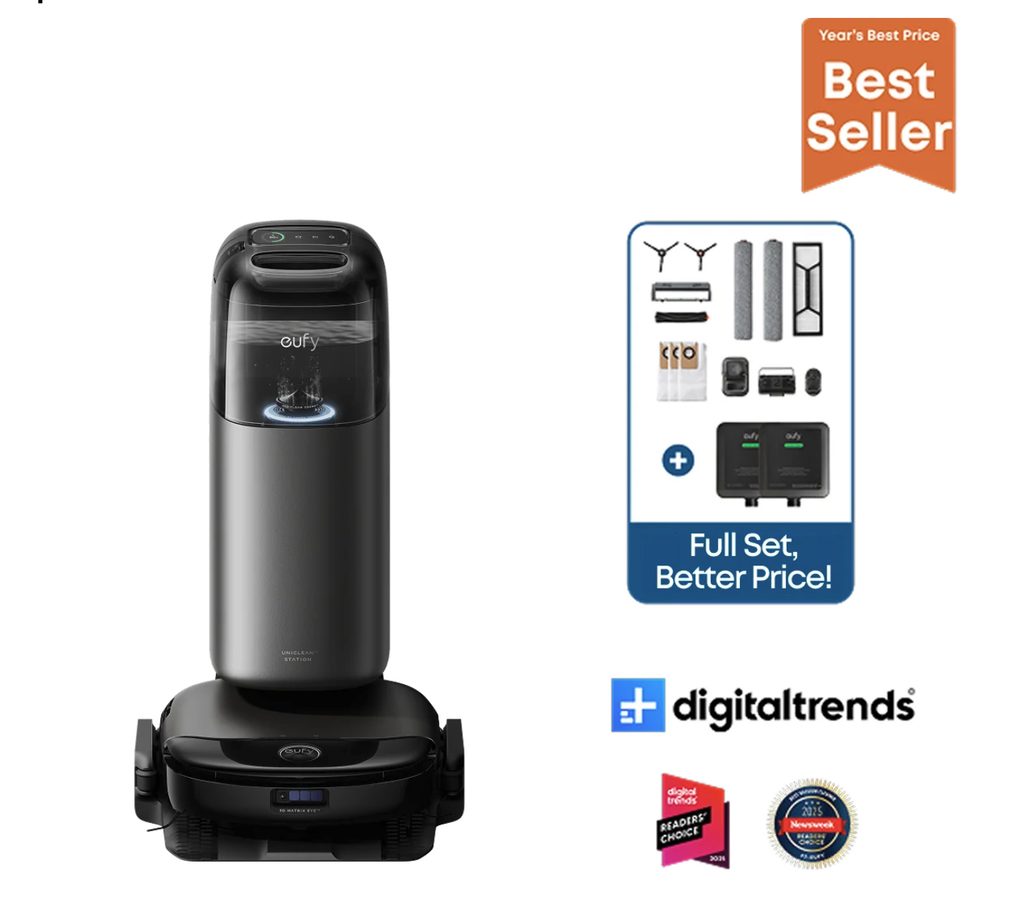
Pet owners often deal with additional cleaning challenges. Dogs and cats can leave fur, hair, dirt, and small particles around the house. Regular cleaning can therefore become a frequent requirement.
A robotic automatic vacuum equipped with strong suction and an effective brush system can help manage everyday pet hair. Scheduling can also make it easier to clean floors regularly instead of waiting until visible hair and debris accumulate.
For households with pets, consider features such as a suitable brush design, filtration system, dustbin capacity, and hair-management technology.
Scheduling Makes Cleaning Easier
One of the most useful benefits of automated vacuum technology is scheduled cleaning. Instead of remembering to vacuum every day, users can establish a routine that matches their lifestyle.
For instance, a homeowner may schedule a robot vacuum to clean the living room and kitchen during the afternoon. Regular automated sessions can help prevent dust and debris from building up between deeper cleaning sessions.
Scheduling is particularly helpful for busy families because cleaning becomes part of the home’s routine rather than another task to remember manually.
Smart Home Integration
Many modern robotic cleaning devices are designed to work with smart home ecosystems. Depending on the model, users may be able to control cleaning through a smartphone application or compatible voice assistant.
Smart controls can provide useful options such as starting a cleaning session, creating schedules, checking cleaning progress, or selecting specific areas.
This level of control makes a robotic automatic vacuum more than a simple floor-cleaning machine. It becomes part of a connected home environment where everyday household tasks can be managed more efficiently.
Maintenance Still Matters
Although automated vacuums reduce manual cleaning work, they still require basic maintenance. Brushes can collect hair, filters can become dirty, and dust containers need to be emptied or cleaned.
Regular maintenance helps the device operate efficiently and can support long-term performance. Check the manufacturer’s recommendations for cleaning filters, brushes, sensors, wheels, and other components.
Keeping the device itself clean is an important part of getting consistent results from a robot vacuum.
How to Choose the Right Automated Vacuum
No single model is perfect for every household. Before buying an automated vacuum, consider your home’s size, flooring type, whether you have pets, your desired cleaning schedule, and the smart features you want.
Suction performance is important for homes with carpets and pet hair. Navigation technology may be more important for larger or complicated floor plans. A larger dustbin can reduce the frequency of manual emptying, while smart scheduling can improve everyday convenience.
It is also worth considering battery performance, charging behavior, noise levels, replacement parts, and the overall ease of maintenance.
Robot Vacuum vs. Traditional Vacuum Cleaner
Traditional vacuum cleaners still have an important role in deep cleaning. They can provide strong manual control and are useful for stairs, furniture, corners, and areas that automated devices may not reach easily.
A robotic automatic vacuum, however, is particularly useful for routine floor maintenance. Instead of replacing every cleaning method, it can complement traditional cleaning by handling everyday dust and debris.
Using both types of equipment can provide a practical balance between automated maintenance and detailed manual cleaning.
The Future of Automated Home Cleaning
Robotic cleaning technology continues to develop as manufacturers introduce better sensors, navigation systems, automation features, and smart controls. Future devices are likely to become increasingly capable of understanding household environments and adapting cleaning routines to individual needs.
The broader trend is toward reducing repetitive household work through automation. As technology improves, a robot vacuum can become increasingly useful for people looking for convenient ways to maintain cleaner floors without constantly interrupting their daily routines.
Summary
Automated floor cleaning has changed the way many people approach everyday household maintenance. A robot vacuum can independently collect dust, crumbs, hair, and other common debris while reducing the amount of manual effort required. With features such as scheduling, smart navigation, automatic charging, and app-based controls, these devices can fit naturally into modern lifestyles.
A robotic automatic vacuum offers another step toward convenient home automation by allowing routine floor cleaning to happen with limited supervision. While traditional vacuum cleaners remain valuable for detailed cleaning, automated models can handle everyday maintenance efficiently.
For anyone looking to simplify household chores, improve cleaning consistency, and make better use of their time, investing in the right automated vacuum technology can be a practical addition to a modern home.
contributed post