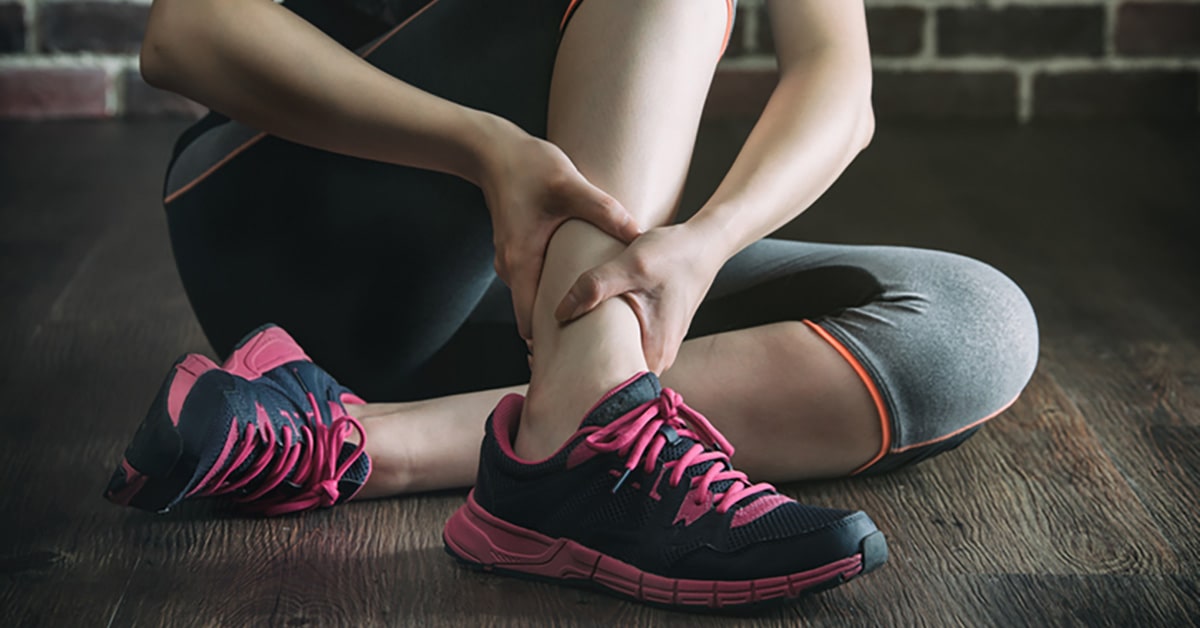
There are many different types of injuries. For example, if you’re into fitness or sports, you may get an injury that’s acute or stems from overuse. Then there are injuries from car accidents and similar situations. You might fall and develop an injury as well. But the question remains, Are there ways to speed up injury recovery?
If your injury is severe, your recovery period can be very long. Even if it’s a mild injury, it can take weeks or months to fully recover.

However, if your doctor gives you the go-ahead, there are some steps you might take to speed up your injury recovery.
Of course, these tips don’t take the place of your doctor’s advice. They’re just something you can add to your routine if your doctor tells you it’s okay.
Understanding the repair process
When your soft tissues are injured, your body repairs itself through an inflammatory process. The inflammation is usually followed by a few other steps that are also important.
While we think of inflammation in a negative light, we couldn’t heal without it. It’s chronic or ongoing inflammation that’s linked to so many serious health problems.
When you are injured, your inflammatory chemicals move to that area and clear out your damaged or dead cells that were caused by the injury you sustained.
Then, as your inflammation starts to go down, your body can start to form scar tissue. That reduces the injury site.
Once you have matured scar tissue, then collagen rebuilding can occur. That collagen rebuilding is how you can hopefully have flexibility and mobility in your injured area.
You may not realize it, but the strength of your immune system can play a big role in how quickly and easily you’re able to recover from an injury. The process for tissue to heal is very complex, and there are varying immune cells that are part of that healing and repair process.
Your immune system response is what kicks all the healing off.
If you have a weak or overactive immune system, it can be problematic as far as your injury healing. If you’re sick with something like an underlying virus, it can also take you longer to heal from a seemingly unrelated injury.
Self-Care
With all the above in mind, one of the simplest but most effective things you can do as you’re working to heal from an injury is practice self-care.
This means that you manage your stress, get sleep and let yourself have the downtime your body needs.
Getting sufficient sleep is critical for healing. Your tissues use that time to recovery. When you sleep, your brain also triggers hormones that help with the repair process, and your immune system can produce more white blood cells.
Among athletic people, studies have shown you need at least eight hours of sleep a night as a way to prevent injuries. That means that the more good sleep you can get, the more likely you are to experience a faster recovery.
Move As You’re Able
You might not be able to move your body right away, depending on the severity of your injury. Once your doctor says it’s okay, however, movement is good for recovery.
That doesn’t mean you go back to intense exercise, but instead, you might think about swimming or walking. Yoga and gentle stretching are also good ways to move your body when you’re still in the recovery phase.
As long as you don’t experience pain doing a particular movement, it’s probably okay.
When you’re moving then your body is going to be pumping blood and oxygen more effectively. You’re also likely to experience reduced pain levels when you move because your body releases certain hormones and chemicals.
Foods and Supplements
The foods you eat and the supplements you take are also critical to your injury recovery.
The following are some to especially pay attention to:
- Protein: This is always important in your diet, but especially after an injury. Protein is a building block to most of the tissues in your body. When you get enough protein, it can minimize the muscle mass and strength you might otherwise lose during your injury recovery.
- Vitamin C: Fruits and vegetables are high in vitamin C, and that in turn helps your body make collagen, which is part of your recovery and the rebuilding of tissue. Getting enough vitamin C is also going to help prevent excess inflammation.
- Omega-3 Fatty Acids: As was mentioned, when you’re injured, there’s always some level of inflammation. That’s necessary, but if that inflammation level stays too high for too long, it can have negative effects on your recovery and your general health. Omega-3 fats can help prevent ongoing inflammation. These healthy fats are found in fish, certain nuts and flaxseeds, or you can take them in supplement form.
- Zinc: This nutrient helps with wound healing and tissue growth and repair. You should aim to get most of your zinc from your diet if you can because it’s best absorbed and used by your body. Foods high in zinc include shellfish, fish and meat. You can also take a supplement, but you have to be careful because zinc competes with copper for absorption so high doses of zinc can lead to a copper deficiency.
- Vitamin D: When you have adequate vitamin D it can help with your recovery, and it also helps your body absorb calcium, which is critical for recovery from a bone injury.
- Glucosamine: This is a substance found in the fluid surrounding your joints. Glucosamine is also used in the creation of cartilage, tendons and ligaments. You produce some glucosamine naturally but your levels tend to decline as you age, so you might want to add a supplement, especially if you’re dealing with an injury.
Most of the things that can help you recover from an injury more quickly are generally beneficial to your health. What this means is that you should follow a healthy diet, move your body in ways that are comfortable to you, and make sure that you’re getting enough rest.
Other articles from mtltimes.ca – totimes.ca – otttimes.ca