Montreal continues to rank among the most walkable cities in North America, thanks to dense neighborhoods, vibrant streets, and an urban design that prioritizes people over cars. From historic districts to lively commercial corridors, the city offers a lifestyle where daily errands, social life, and cultural experiences are often just a short walk away.
A city designed around neighbourhoods
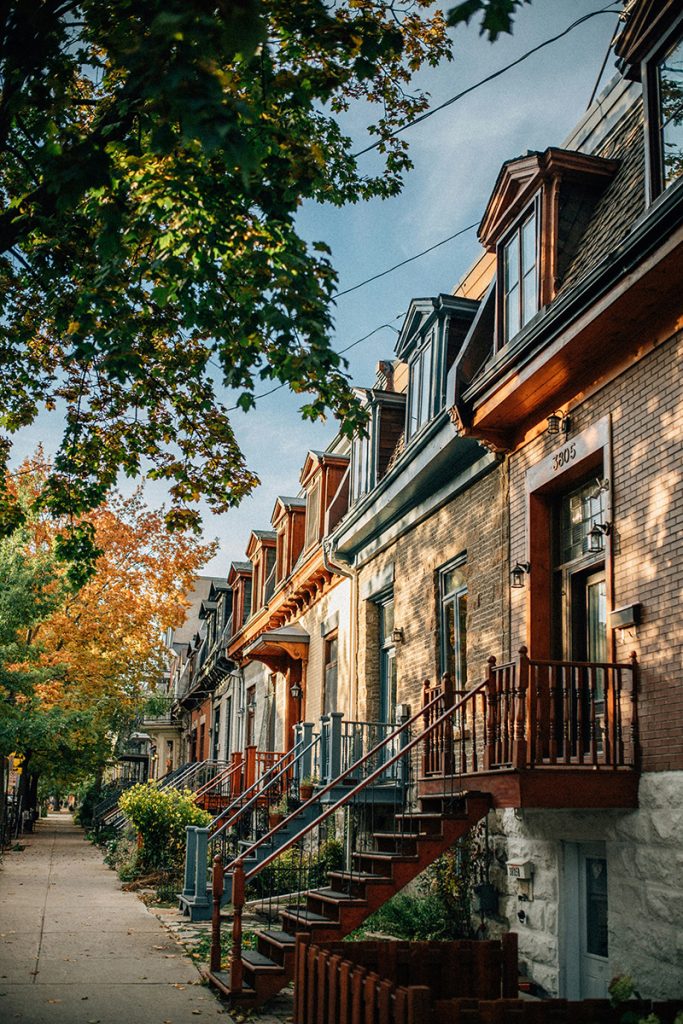
Montreal’s walkability begins with its strong neighborhood structure. Districts such as the Plateau, Mile End, Verdun, and Rosemont were largely developed before cars became dominant, meaning they were designed with pedestrians in mind first. Streets are compact, buildings sit close to sidewalks, and most areas combine residential spaces with shops, cafés, parks, and schools.
This layout allows residents to handle many everyday tasks without needing a car. Grocery stores, pharmacies, restaurants, and bakeries are often located within a few blocks of residential buildings. In many neighborhoods, it is possible to run several errands in a single walk. This accessibility contributes to a sense of convenience and independence that many residents value.
Local commercial streets play a key role in this structure. Areas such as Avenue Mont-Royal, Wellington Street in Verdun, and Saint Denis Street serve as lively pedestrian corridors where people gather to shop, dine, and socialize. Because these streets are easily accessible on foot, they help create vibrant public spaces where communities naturally interact.
The presence of parks and public squares within walking distance also encourages residents to spend time outdoors. Spaces like Parc La Fontaine, Jarry Park, and smaller neighborhood parks offer places for recreation, relaxation, and community events, all within easy reach without long commutes.
Public transit and pedestrian infrastructure working together
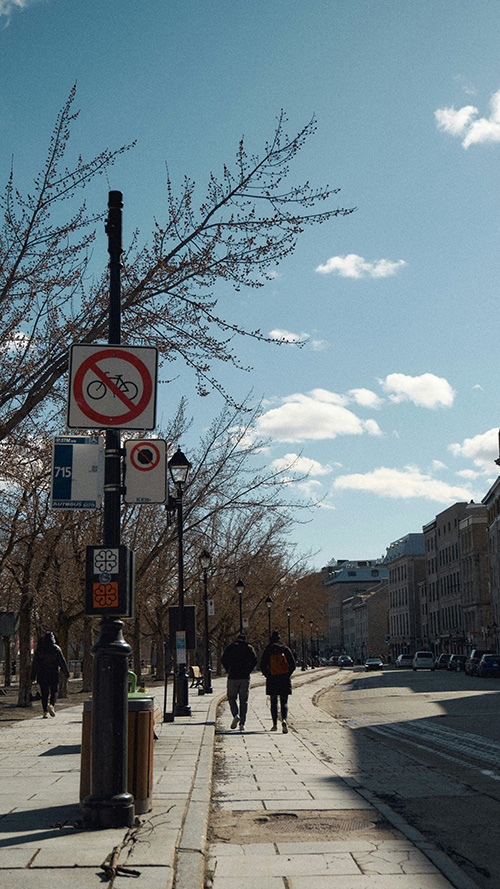
Another major factor behind Montreal’s walkability is the close relationship between pedestrian life and public transportation. The city’s metro system and bus network make it easy for residents to combine walking with transit. Many people walk a few blocks to a metro station, travel across the city, and then walk again to their final destination.
Metro stations are distributed throughout key neighborhoods, which reduces the need for long car journeys. Areas around stations often become active commercial hubs filled with shops, cafés, and services. This pattern reinforces the city’s pedestrian culture, as people naturally move through these areas on foot throughout the day.
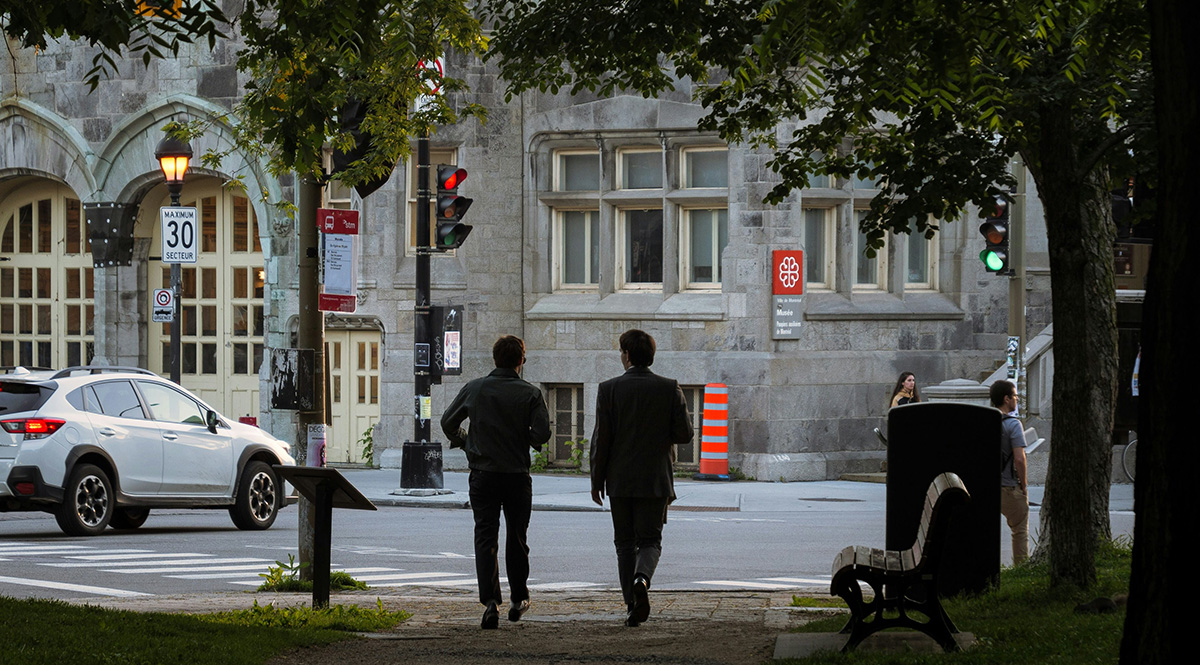
The city has also invested in pedestrian-friendly infrastructure over the years. Wider sidewalks, pedestrian crossings, traffic-calming measures, and car-free zones have made many streets safer and more pleasant to walk on. Seasonal pedestrian streets, especially during the summer months, allow neighborhoods to temporarily transform busy roads into spaces for strolling, outdoor dining, and local events.
These initiatives not only improve safety but also strengthen the social life of neighborhoods. When streets become easier to walk, they encourage spontaneous interactions, street performances, and outdoor markets that contribute to Montreal’s lively atmosphere.
Entertainment districts and nightlife within walking distance
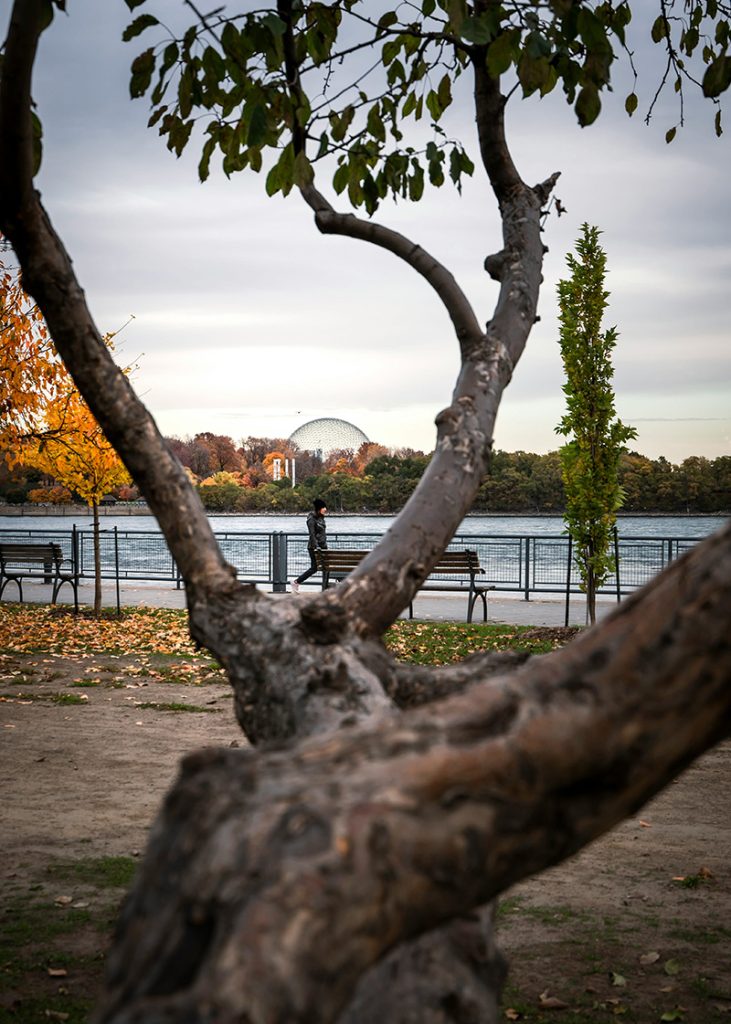
Walkability also makes it easier for residents and visitors to enjoy Montreal’s entertainment scene. Many nightlife areas are concentrated in districts where restaurants, bars, theaters, and music venues are located close together. This allows people to move easily between different places during an evening out without needing transportation.
Downtown and parts of the Quartier des Spectacles are good examples of this pattern. Visitors can attend a concert, explore nearby restaurants, and continue their night at a bar or lounge with only a short walk between locations. The same applies to areas such as Saint Laurent Boulevard and Crescent Street, where nightlife venues cluster within a few blocks.
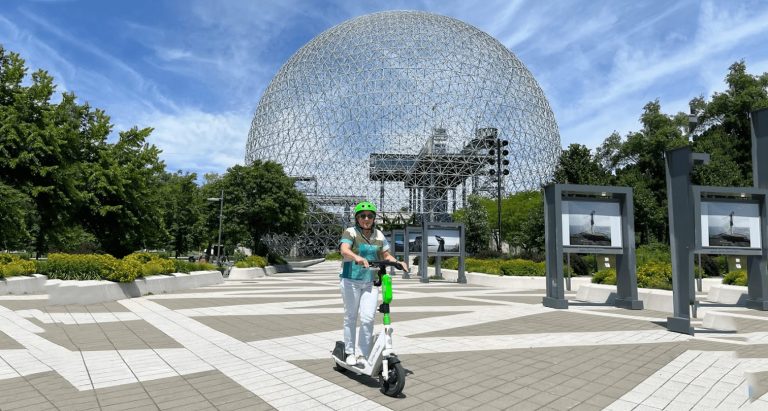
This concentration of entertainment options also extends to gaming venues. Montreal’s well-known casino, Casino de Montréal, located on Île Notre Dame, attracts visitors looking for table games, poker rooms, and slot machines. While the casino itself requires a short trip from the city center, it remains closely connected to Montreal’s broader entertainment landscape.
For some residents and tourists, a visit to the casino or participation in online gaming platforms has become another part of the city’s leisure culture. Online casinos and sports betting sites allow people to engage with gaming entertainment from home after spending time exploring the city’s neighborhoods on foot.
Because many dining, nightlife, and cultural venues are concentrated in pedestrian-friendly districts, visitors often combine multiple activities in a single evening. A dinner with friends might be followed by a show, a late-night walk through the city’s lively streets, or entertainment such as gaming. Montreal’s walkable layout makes these experiences easy to enjoy without the complications of long travel times.
Walkability as part of Montreal’s lifestyle
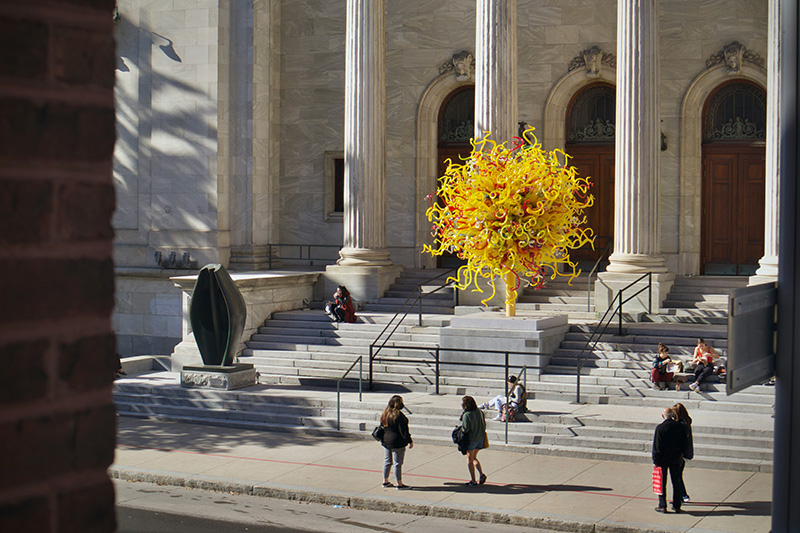
Walkability in Montreal is not just about urban planning. It is deeply connected to the city’s lifestyle and culture. Many residents prefer walking because it allows them to experience the city at a slower and more social pace.
Cafés, bakeries, bookstores, and small boutiques thrive in areas with strong foot traffic. Walking from one neighborhood spot to another becomes part of daily routines, whether it is grabbing a morning coffee, meeting friends at a park, or browsing local shops on a weekend afternoon.
Seasonal changes also play a role in how people experience the city on foot. During the warmer months, terraces and street festivals encourage residents and visitors to explore neighborhoods on foot. In winter, despite the cold, cleared sidewalks and underground connections in some areas help maintain pedestrian movement.
The result is a city where walking feels natural and practical. Instead of being limited to specific downtown areas, pedestrian life extends across many neighborhoods. This widespread accessibility helps explain why Montreal consistently stands out as one of the most walkable urban environments in North America.
Other articles from totimes.ca – otttimes.ca – mtltimes.ca