Winter arrives fast in Canada. One week you are raking leaves, the next the ground is frozen and the opportunity to address foundation problems has closed for the season. What you do in the weeks before that freeze matters more than most homeowners realize.
The good news is that protecting your foundation before winter does not require a major renovation. A handful of targeted checks and straightforward fixes can prevent the water damage and structural deterioration that shows up every spring.
Check Your Foundation Walls for Cracks
Walk the perimeter of your home and carefully inspect the exposed foundation walls. Any crack that appeared or grew since last winter needs attention before the ground freezes.
Water enters small cracks, freezes overnight, expands by roughly nine percent, and forces the crack wider. By spring, a hairline crack becomes an active water entry point. Each freeze-thaw cycle compounds the damage.
Vertical cracks in poured concrete are common and usually manageable with professional injection. Horizontal cracks are more serious and indicate lateral soil pressure on the wall. Both need to be assessed and sealed before temperatures drop consistently below zero.
The team at Direct Waterproofing Hamilton sees this every spring. Homes that enter winter with unsealed cracks show more extensive damage by April than they did in October. Sealing cracks in the fall costs a fraction of what repairing them after a full winter of freeze-thaw cycling does.
Clear Snow Away From Your Foundation
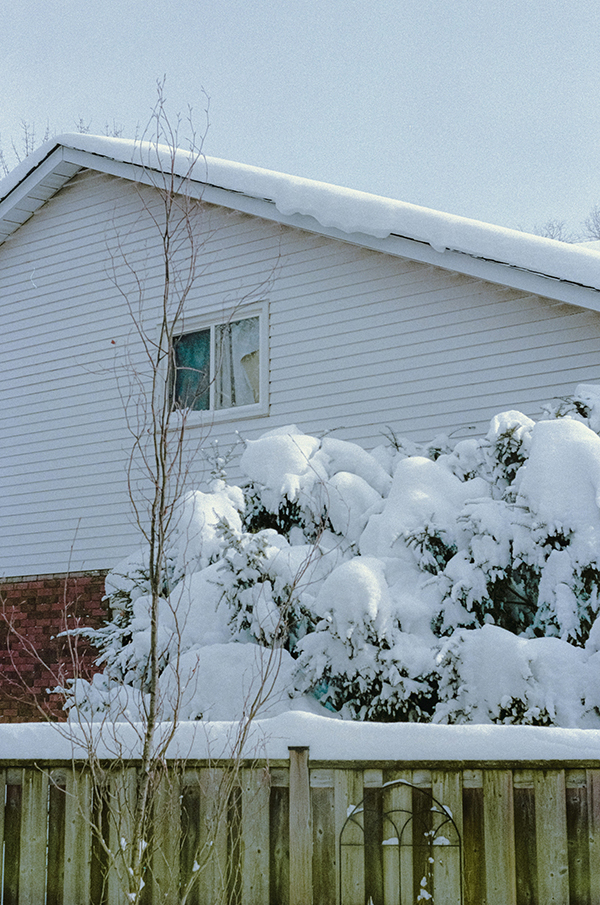
Once snow arrives, keep it away from your foundation walls. Large snowbanks release their full water volume in a compressed period when temperatures rise, saturating the soil and building hydrostatic pressure rapidly. Keep the area within one metre of your foundation clear. It takes five minutes and costs nothing.
Test Your Sump Pump Before You Need It
Your sump pump works hardest during spring snowmelt. Test it now, before winter locks everything in place.
Pour water into the sump pit until the float rises and confirm the pump activates and discharges properly. Check that the discharge line is clear and routes water well away from the foundation. A discharge line that terminates too close to the house sends water right back to where it came from.
If your pump is more than seven to ten years old, replace it before winter rather than after it fails during a flood event. A battery backup sump pump is also worth considering. Power outages and heavy storms arrive together in Canada, and a pump that cannot run during an outage provides no protection at the moment it is needed most.
Check Gutters and Downspouts
Clogged gutters overflow directly at the roofline and deposit large volumes of water against the foundation rather than directing it away. Clean your gutters before the first freeze and confirm every downspout discharges at least six feet from the foundation wall.
This is one of the most cost-effective foundation protection steps available. Improper gutter drainage causes a significant percentage of basement moisture problems across Canada, and the fix costs nothing beyond an afternoon of maintenance.
Assess Your Exterior Grading
Walk around your home after a rain and observe where water goes. Soil that slopes toward the foundation directs every rainstorm and snowmelt event straight at your walls. This is correctable before winter with additional soil or grading work.
The ground should slope away from the foundation at a minimum drop of six inches over the first ten feet. If it does not, adding soil and regrading before the ground freezes prevents a problem that will otherwise repeat itself every spring.
Inspect Window Wells
Basement window wells collect snow and ice throughout winter and release that water directly against the window frame and foundation wall when temperatures rise. Clear debris from every window well before winter, confirm that drainage gravel is present at the base, and install covers if you do not already have them.
A window well cover is one of the lowest-cost, highest-impact protective measures a homeowner can install. It takes less than an hour and eliminates one of the most common water entry points in Canadian homes.

Act Before the Ground Freezes
The window between late September and mid-November is when foundation protection work is both most effective and most accessible. Once the ground freezes, exterior work becomes significantly more difficult and expensive. Once spring arrives, you are already managing the consequences of whatever entered your foundation over the winter.
Check the walls, test the pump, clear the gutters, and assess the grading. These steps take a few hours in total and protect one of the most significant investments you own.