It usually starts with a sound. A soft scratching behind the bedroom wall at dusk, a faint squeak from the ceiling, a dark smudge on the siding under the eaves. Then one evening in late September, something small and fast loops through the living room and the whole household ends up hiding under a blanket. Bats in the attic are more common in Montreal-area homes than most people think, and the reaction is almost always the same: get rid of them, tonight. That instinct is understandable. It is also the fastest way to make the problem worse, and in some cases to break the law. The federal government’s guidance on bats in buildings and the emergency listing order explains why: three of the bat species found in Quebec are now listed as endangered in Canada. Timing, method and patience matter far more here than with mice or wasps.
Why bats end up in Montreal homes
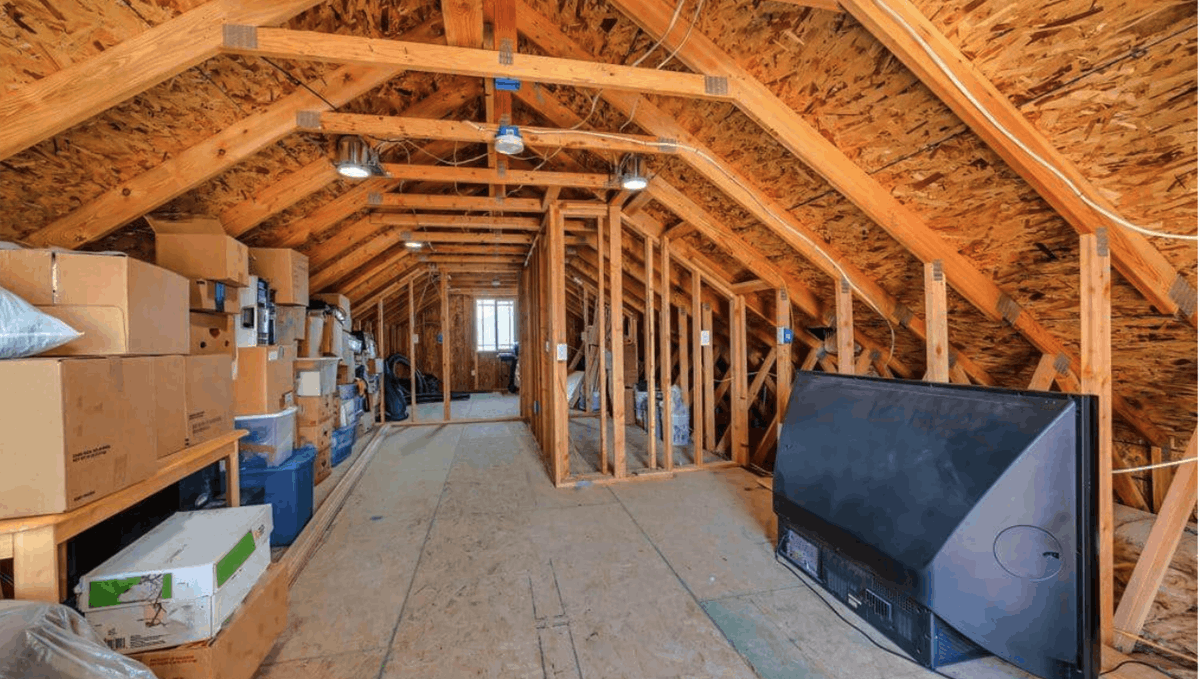
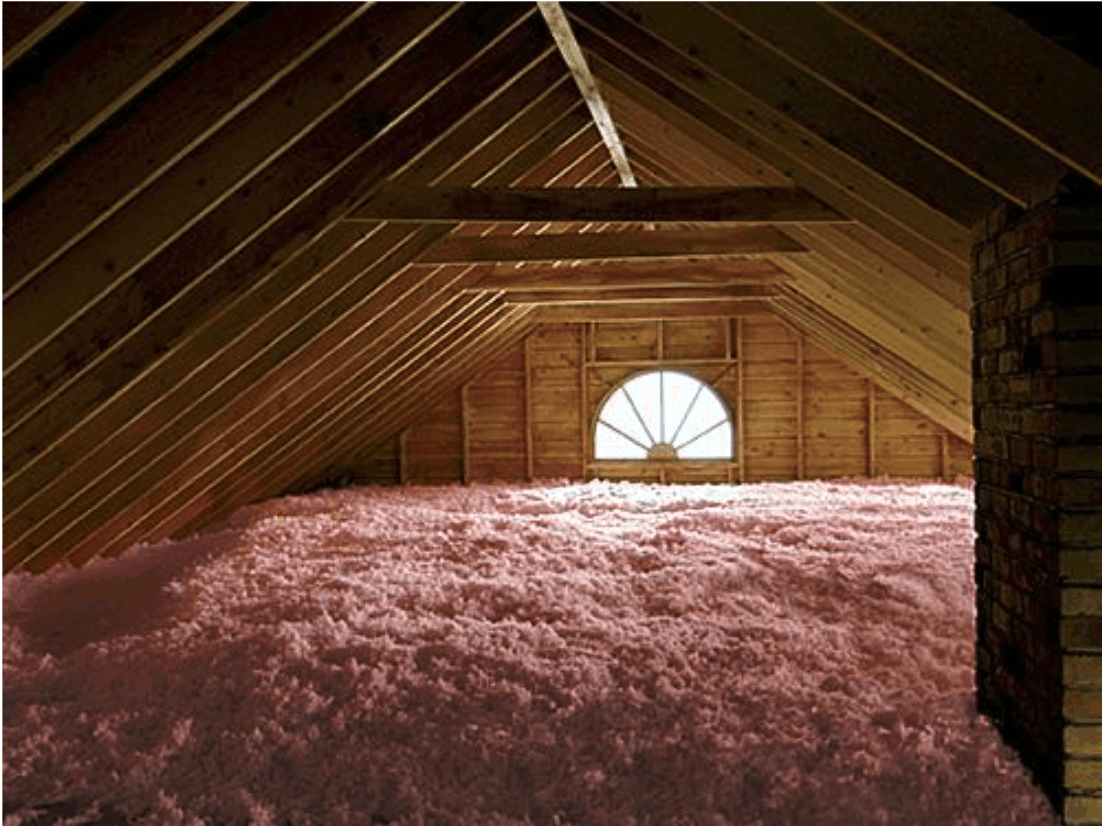
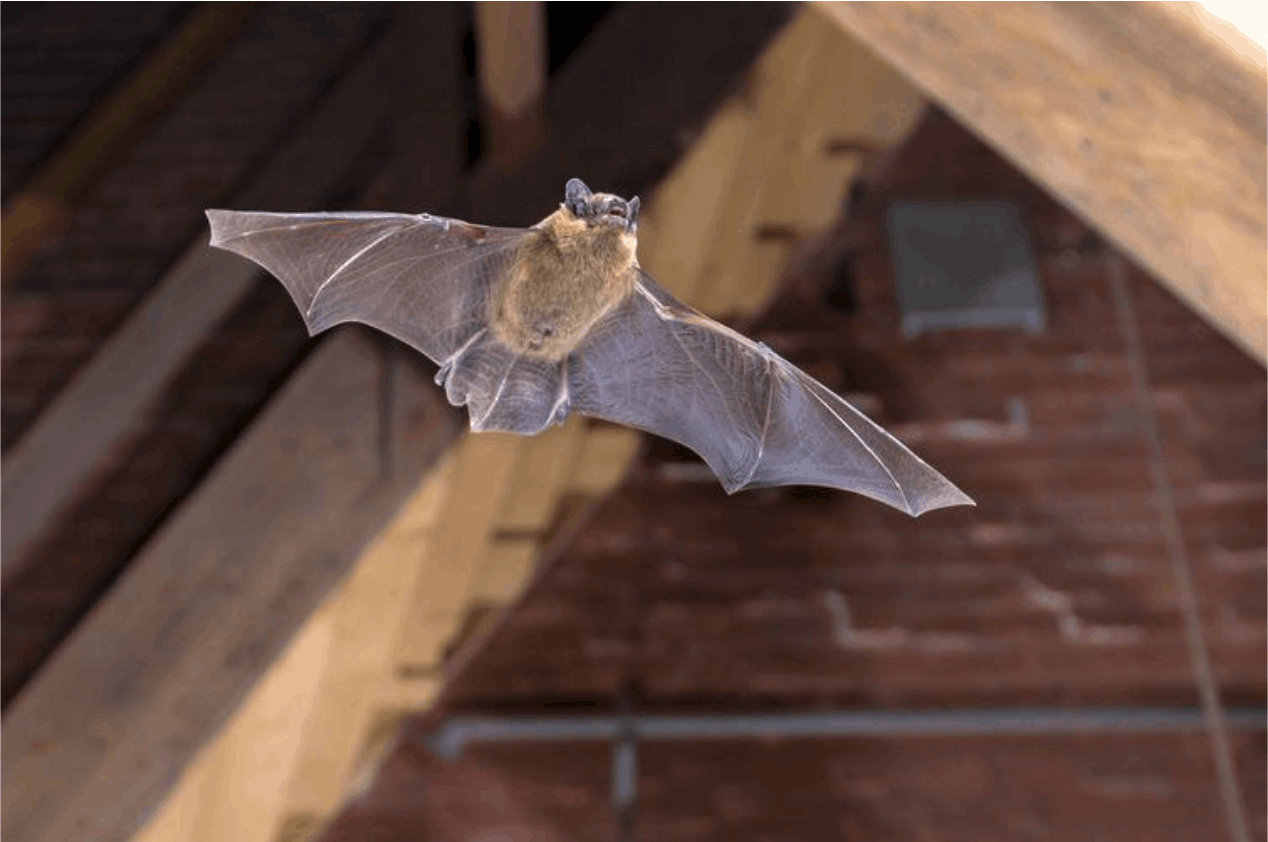
Quebec has five resident bat species. Several use buildings during the warm months, slipping into attics, wall cavities, and the gap behind fascia boards. A crack roughly the width of a finger is enough. Once inside, a colony can grow quietly for years, until the droppings pile up or someone hears the evening commute.
Summer is when females gather in maternity colonies to give birth and raise their young, often in warm, sheltered spots like a south-facing attic. By early fall, the young can fly, and the picture changes. According to the Quebec government, the little brown bat hibernates from late September or mid-October until late April or early June, mostly in abandoned mines and natural rock cavities. In other words, many of the bats that spent the summer in your attic are about to leave on their own.
Not all of them, though. Some bats may stay in buildings longer, and fall is also when disoriented individuals wander into living spaces. That is why a bat in the kitchen in October does not necessarily mean there is a colony upstairs, while a steady line of droppings under the same vent almost certainly does.
A few clues help tell the two apart. Bat droppings look a lot like mouse droppings, but they tend to gather in piles below a roosting spot and crumble into a shiny, dusty powder when pressed, because they are made largely of insect remains. Dark greasy smudges around a gap in the siding, a faint ammonia smell in the attic, or a steady stream of small shapes leaving the same corner of the roof at sunset all point to a colony rather than a lost visitor. Spend fifteen minutes outside at dusk on a mild evening, watching the roofline. It is the cheapest inspection there is.
What the law says about bats in the attic
This is the part that surprises homeowners. Bats are protected wildlife in Quebec, and the provincial government states plainly that killing them is illegal. On top of that, the Little Brown Myotis, the Northern Myotis and the Tri-colored Bat have been added to the federal list of species at risk as endangered, because of a fungal disease called white-nose syndrome.
The numbers behind that listing are sobering. Parks Canada estimates that between 5.7 and 6.7 million bats died of white-nose syndrome in eastern North America between 2006 and 2012. The disease makes hibernating bats wake up repeatedly, burning through the fat reserves they need to survive the winter.
So the goal is never to kill or trap the colony. It is to get the bats out, keep them out, and do it at a moment when no flightless young are left behind to die inside the walls. Wildlife groups in Quebec recommend limiting disturbance around known maternity sites from May 15 to August 15, which is exactly why late summer and early fall are the preferred window for exclusion work.
The right timing, month by month
| Period | What the bats are doing | What a homeowner should do |
| May 15 to August 15 | Maternity colonies, young cannot fly yet | Do not seal entry points; note where bats exit at dusk |
| Late August to September | Young are flying, colonies start to disperse | Book an inspection and plan the exclusion |
| Late September to mid-October | Many bats leave for their hibernation sites | Install one-way exits, then seal once activity stops |
| November to April | Most bats hibernating elsewhere | Repair, seal and clean the attic |
| Any time of year | A single bat indoors | Close interior doors, open a window, turn off the lights |
In practice, exclusion works by finding every entry point, blocking all but the main exits, and fitting those exits with one-way devices. The bats leave at night to feed and cannot get back in. Once you see no activity for several evenings, seal the last openings for good.
What not to do, and what actually helps
Contrary to what online stores promise, ultrasonic repellers do not solve a bat problem. The only reliable technique is physical exclusion, followed by careful sealing of every gap.
Avoid sealing everything in a single afternoon, even in the fall. If a few bats are still inside, they will look for another way out, and sometimes the new way out is the hallway. Avoid handling a bat with bare hands, too. If you are bitten, scratched, or unsure whether contact happened, for example, after waking up with a bat in the bedroom, wash the area with soap and water right away and call Info-Santé at 811 for advice.
Then there is the cleanup. Bat droppings, called guano, can accumulate in insulation over the years. Do not sweep or vacuum dry droppings in a closed attic. Wear gloves and a proper mask, dampen the area first, or hire a professional crew with the right equipment.
Hiring help for bat removal in Montreal
Bat work is part biology, part carpentry. The technician needs to identify the entry points, often high up and hard to see, judge whether young are still present, install the one-way exits and come back to seal everything once the colony is gone. Avoid companies that offer to “spray” the attic or trap the bats.
Montreal homeowners dealing with a colony can turn to specialists such as A Bas Prix Extermination, which handles bat removal in Montreal, Laval and the South Shore using physical exclusion and anti-wildlife caulking rather than chemicals. The firm points out that a gap of half an inch, or even less, is enough for a bat to get inside, which is why a thorough inspection of the roofline, vents and chimney matters more than any gadget.
Ask a few simple questions before signing anything. How will you confirm that no young are left inside? Which materials will you use to seal the gaps? Is the work guaranteed in writing if the bats come back next spring? A good answer to all three says more than any promise of a quick fix.
Prevention is the part people skip once the bats are gone. Chimney caps, screened attic vents, properly fitted soffits and a quick look at the roofline every spring will stop most new colonies from forming. Bats are loyal to their roosts, so a house that hosted a colony will be tested again when the weather warms up. Sealing well once, and checking every year, costs far less than starting over.
There is also a good reason to handle the whole thing gently. Bats eat enormous numbers of flying insects on summer nights, and the species now at risk were among the most common in the province only a generation ago. Getting them out of the attic and keeping the neighbourhood’s population alive are not competing goals. Done right, the same exclusion job does both.
Frequently asked questions
Is it legal to kill bats in the attic in Quebec?
No. Bats are protected in Quebec, and killing them is illegal. Three species are also listed as endangered under the federal Species at Risk Act. The legal approach is exclusion, not extermination.
When is the best time to remove bats from a house?
Late summer to early fall, once the young can fly and before sealing becomes impossible. Wildlife groups advise against disturbing maternity colonies between May 15 and August 15.
What should I do if I find a bat inside my house?
Stay calm, close interior doors, open a window and turn off the lights so it can find its way out. If you may have been bitten or scratched, wash the area and call Info-Santé at 811.
Do ultrasonic devices keep bats away?
No. They are widely sold, but they do not work reliably. The only lasting solution is to find and seal every entry point after the bats have left.
contributed post