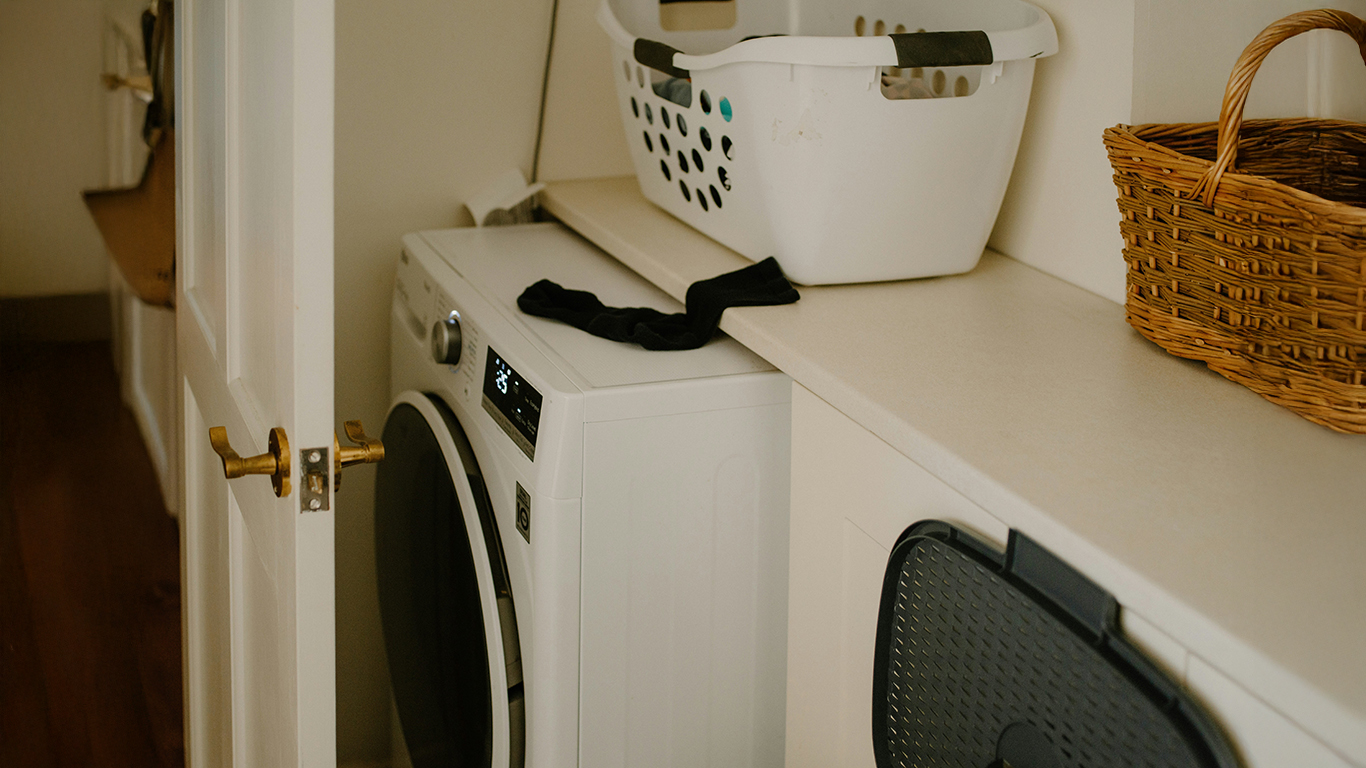
The moment of the dead machine
The dryer stops mid-cycle. The fridge goes silent at 11 pm. And you’re standing there in the kitchen with one question buzzing in your head: fix it or buy a new one?
It’s a genuinely hard call, because both answers cost money and both can be wrong. Replace too eagerly, and you’ve thrown out a machine with five good years left. Repair too stubbornly, and you’re funding a slow-motion funeral, one service visit at a time. Let’s build an actual decision process instead of a coin flip.
Start with the 50 percent rule
Repair professionals lean on a simple benchmark: if fixing the appliance costs more than half the price of a comparable new one, replacement deserves a serious look. Under that line, repair usually wins.
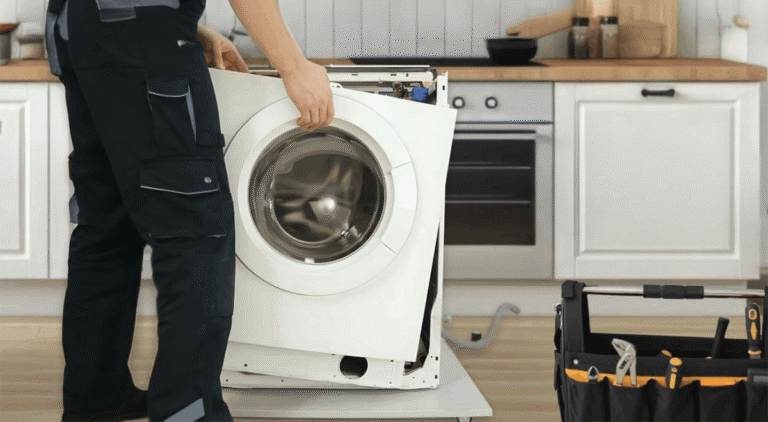
But the rule only works with a real number in hand, not a guess. A scary-sounding failure can be a $30 relay; a quiet little leak can hide a corroded tub. Getting a proper diagnosis from an appliance repair vancouver specialist turns the whole dilemma from fortune-telling into arithmetic. Pay for an hour of expertise, then decide with facts.
Henry Ford had a line that fits here: “Quality means doing it right when no one is looking.” A machine that was built and maintained right is nearly always worth saving. One that was cheap on day one – maybe not.

Age changes the math
Every appliance has a typical service life, and where yours sits on that timeline matters as much as the repair quote. It’s often said that a well-kept fridge runs about 10-15 years, a washer around 10, a dishwasher a bit less. So before calling anyone, note three things:
- How old the machine is compared to its expected lifespan
- Whether this is the first failure or the third this year
- Whether parts for the model are still easy to source
A four-year-old washer with a worn pump? Repair, no hesitation. A fourteen-year-old fridge on its second compressor? That money is better spent on a successor.
The costs nobody puts in the quote
Sticker price isn’t the whole story, in either direction. A new appliance arrives with delivery fees, installation, possibly new hoses or wiring – and a learning curve of fresh error codes. An old one may quietly bleed you through rising energy use.
Repeat repairs deserve special honesty. In the internet’s collective experience, the second major failure within a year is the classic sign that a machine has entered its decline – the breakdowns start arriving faster than the fixes. One repair is maintenance. A subscription to repairs is a farewell tour.
A five-step decision you can actually run
- Get a diagnosis and a firm repair quote
- Check the appliance’s age against its expected lifespan
- Apply the 50 percent rule to the numbers
- Count the last 12 months of repairs on this machine
- Compare energy ratings – old unit versus new
Run those five steps and the answer usually announces itself. No agonizing required. The gut feeling can stay home; the calculator does better work here.
When saving the machine is the smart move
There’s a quiet satisfaction in repair that the shopping trip never delivers. It’s cheaper more often than not, it keeps a hundred pounds of metal out of the landfill, and it skips the week of waiting for delivery while your laundry pile grows ambitions.
Modern machines fail in modular ways – a sensor here, a pump there – and swapping a module is fast work for someone who does it daily. So next time an appliance goes quiet, don’t mourn it on the spot. Ask the questions, run the numbers, and give repair the first interview. The machine might surprise you.
contributed post