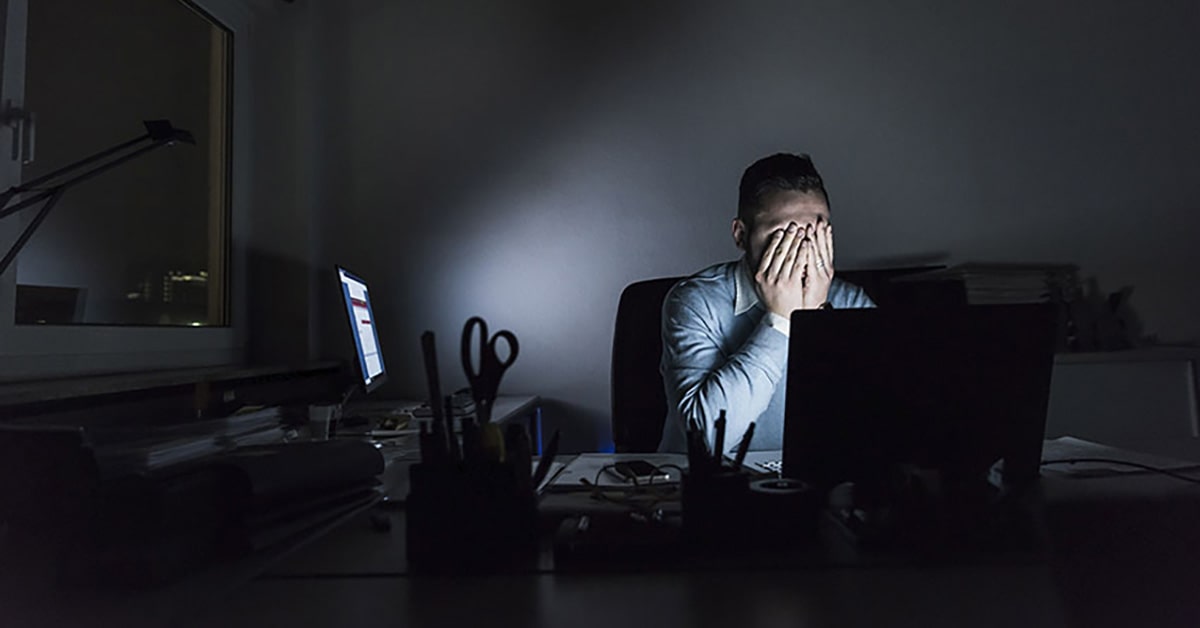
The second wave of the pandemic has intensified feelings of stress and anxiety, causing alarming levels of despair, suicidal thoughts and hopelessness. This, according to the newest wave of data collected through a nationwide monitoring survey on the mental health impacts of COVID-19, released today by the Canadian Mental Health Association (CMHA) in partnership with UBC researchers.
Most people in Quebec (69%) indicate they’re worried about the second wave of the virus, with 58% worried about a loved one or family member dying, and only 8% feeling hopeful. As winter approaches, 32% of Quebecers say their mental health has deteriorated since March. 32 % are worried about finances.
“Cold weather, uncertainty, eroded social networks and restrictions on holiday gatherings are hitting at a time when people are already anxious, hopeless and fearful that things are going to get worse,” says CMHA’s National CEO, Margaret Eaton. “I am afraid that many people are in such despair that they can’t see past it.”
Of great concern is the sharp increase in suicidality this fall, with 1 in 10 Canadians (10%) experiencing recent thoughts or feelings of suicide. That’s up from six per cent in the spring and 2.5 per cent throughout pre-pandemic 2016.
“We are seeing a direct relationship between social stressors and declining mental health,” says lead researcher Emily Jenkins, a professor of nursing at UBC who studies mental health and substance use. “As the pandemic wears on and cases and related restrictions rise, a good proportion of our population is suffering. Particularly concerning are the levels of suicidal thinking and self-harm, which have increased exponentially since before the pandemic and are further magnified in certain sub-groups of the population who were already experiencing stigma, exclusion, racism and discrimination.”
Unfortunately, few Quebecers are getting mental health services and supports they need, while many are relying on a combination of healthy and unhealthy strategies to cope.
13% of Quebecers have indicated that they have increased their use of substances as a way to cope. Nearly a fifth of people (21%) in Quebec have increased alcohol use, while many have also increased their use of other substances, including cannabis (6%) and prescription medication (7%).
The pandemic keeps underlining that mental health is not an individual responsibility, and that policy-level interventions are required. Even before the pandemic, the mental health care system in Quebec was not meeting people’s needs due to long waitlists, access issues, inequity and underfunding.
“Community mental health services can take the pressure off hospitals and acute care, which have been hit hard by COVID-19, but they are chronically underfunded. Governments need to fund services in the community to ensure that people get the help they need sooner,” says Karen Hetherington, President of the Canadian Mental Health Association (Montreal Branch and Quebec Division).
The survey was dispatched by Maru/Matchbox from September 14-21, 2020 to a representative sample of 3,027 people ages 18 and up living in Canada.
It is the second of three strategic waves of national surveying that is also aligned with work being conducted by the Mental Health Foundation in the U.K.
How to get help for metal health
- Get free mental health help at cmha.ca/bounceback or https://ca.portal.gs/
- Reach Kids Help Phone at 1-800-668-6868 or www.kidshelpphone.ca
- Thinking of suicide? Call 1-833-456-4566 (in QC: 1-866-277-3553) or visit www.crisisservicescanada.ca.
- In an emergency, please call 9-1-1 or visit your nearest emergency department.
Other articles from mtltimes.ca – totimes.ca – otttimes.ca

Clean out under your mattress – Some Canadian bank notes will be worthless

Promenade Wellington Christmas ‘Le Coeur sur la Well’