If you keep missing deliveries while you’re home, the doorbell itself usually isn’t the problem. Its chime just can’t reach the rooms where you spend your time, such as an upstairs office, a basement, or the backyard. A doorbell extender is the usual first fix, but not the only one. This guide compares it with a second chime, a louder doorbell, and phone alerts, and shows which one fits your home.
Why You Cannot Hear the Doorbell in Some Rooms
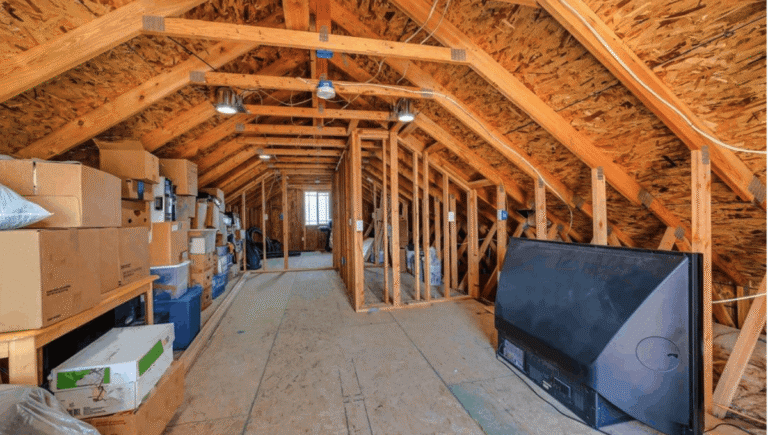
Most wired doorbell systems have a single chime, usually mounted in the front hallway. In a two-story house or one with a finished basement, it can be two floors and several closed doors away. Common reasons include:
- Household noise from a dishwasher, a TV, or headphones covers it.
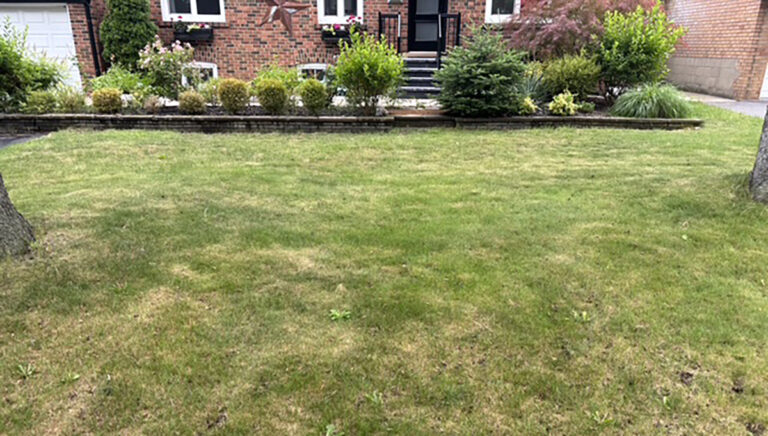
- The garage, patio, and backyard sit outside the range of an indoor chime.
- Someone in the house has trouble hearing higher-pitched sounds.
According to the National Institute on Deafness and Other Communication Disorders, approximately one-third of Americans aged 65 to 74 have hearing loss, which often affects high-frequency sounds first.
How a Doorbell Extender Works and Where It Falls Short
A doorbell extender has two parts. A small transmitter near your existing chime picks up each ring, by sound or through a wired connection, and sends a signal to a plug-in receiver placed upstairs, in the garage, or anywhere the original sound cannot reach. Some receivers add a flashing light.
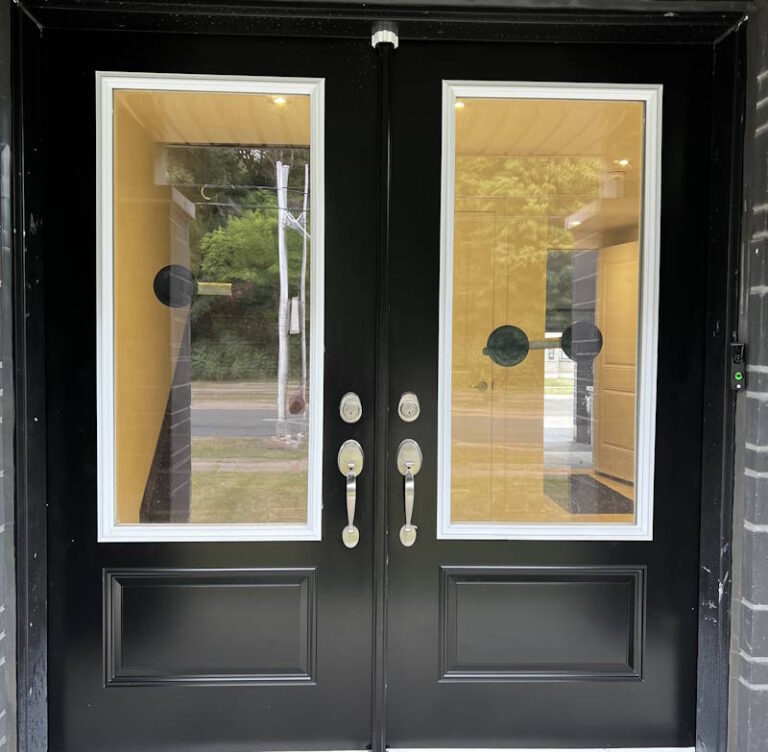
Nothing at the front door changes, which is why renters like this route. The catch is that it relies on the old chime: a weak or faulty one gives it nothing reliable to pick up, and thick floors or brick walls can cut its range.
It also only repeats a sound: you can’t see who’s there or answer from the backyard. If your doorbell is due for replacement anyway, a video doorbell with an indoor chime covers both.
Adding a Second Chime or Choosing a Loud Doorbell
A second wired chime, triggered by the same button, puts a real chime on another floor. It needs new wire between floors and a transformer that can drive two chimes, so many homeowners hire an electrician.
A loud doorbell swaps the current chime for a unit built for volume, and some versions add a strobe light for people with hearing loss. The install is simple, but it may not reach you across multiple floors, and people near the chime may find it too loud.
Getting Doorbell Alerts on Your Phone and an Indoor Chime
A video doorbell sends the alert to your phone, so it reaches you on the patio, in the garage, or in the basement, and its indoor chime can go in the room you use most. It does need Wi-Fi with enough upload speed at the front door, and a phone that isn’t on silent or left in another room.
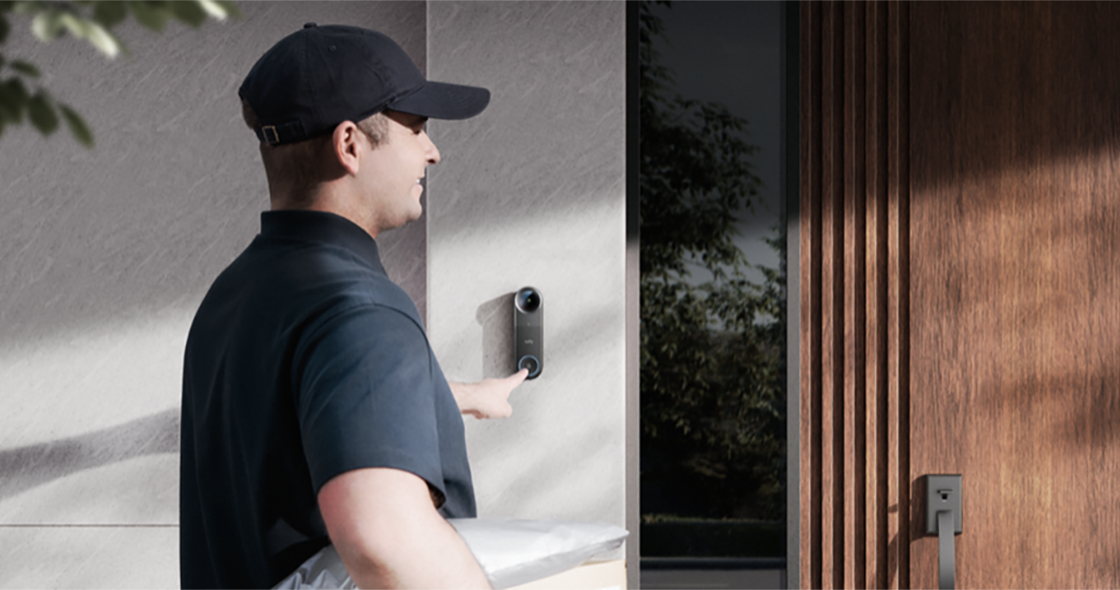
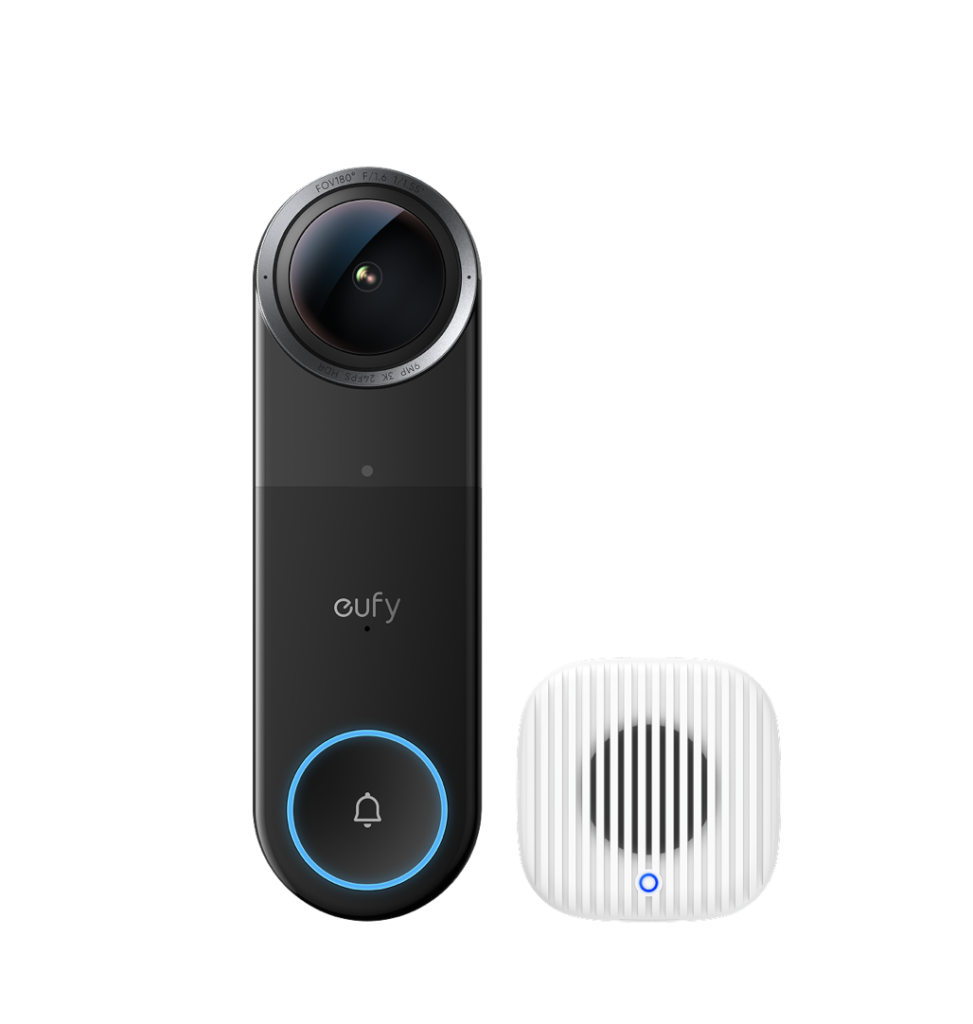
For homes that already have doorbell wiring, the eufy Video Doorbell S4 follows this approach. It ships with eufy Chime 2 for customizable indoor alerts, and when someone presses the button your phone rings like an incoming video call, so you can answer from the yard or upstairs. The 180° × 180° view shows the visitor and the ground where packages land.
Which Doorbell Fix Fits Your Home
The right pick depends on where the sound gets lost and how much you want to change.
| Option | Works best for | Main limit |
| Doorbell extender | Renters, or one or two problem rooms | Depends on the old chime; range drops through walls |
| Second wired chime | Owners wanting a hardwired chime upstairs | Wiring work; transformer must drive two chimes |
| Loud doorbell | Open spaces, people with hearing loss | Loud near the chime, not always across floors |
| Video doorbell with phone alerts | Multi-story homes, time in the yard or garage | Needs Wi-Fi at the door and an unmuted phone |
For a family member with hearing loss, pair a flashing receiver or louder chime in their room with phone alerts set to vibrate, so one signal covers for the other.
Final Thoughts
Most missed doorbells come down to distance, background noise, or hearing loss, and each one calls for a different fix. To find out which applies to you, have someone ring the doorbell while you walk through the house, garage, and yard. Note the spots where you can’t hear it, then choose the option that covers them with the least work.
contributed post