Montreal winters are tough on older windows. Here’s how to spot the warning signs, what to look for in new windows, and how to plan an upgrade before the cold sets in.
Few cities put a house through what Montreal does. Winters regularly drop below minus twenty, freeze-thaw cycles run from November to April, and summers can be surprisingly hot and humid. Duplexes, triplexes and older single-family homes across the city were built long before modern energy standards, and their windows are often the weakest link between a cozy interior and a very cold street.
If your home feels drafty, your heating bills keep climbing, or you wake up to ice on the inside of the glass, your windows are probably telling you something. Here’s how to read the signs and plan an upgrade that actually pays off.
Why Windows Matter So Much in Montreal
Windows make up a small share of a home’s wall area, but they can account for a large share of its heat loss. An older single-pane or early double-pane window loses heat many times faster than an insulated wall around it. In a climate with a long, hard heating season, that difference shows up every month on the energy bill.
Montreal’s building stock makes the issue more common. Many plexes still have original wooden windows or replacements installed decades ago. Even well-maintained units eventually lose their seals, and once that happens, their insulating value drops sharply.
Warning Signs Your Windows Are Failing
Some problems can be fixed with a weekend of caulking. Others mean the window has reached the end of its life. Watch for these:
- Drafts you can feel near the frame or sash on windy days
- Frost or ice on the inside of the glass, especially in the corners
- Fog or moisture trapped between panes that won’t wipe away, which means the sealed unit has failed
- Sashes that stick, won’t lock, or have to be forced
- Soft, cracked or rotting wood around the frame or sill
- Rooms that are always colder than the rest of the house
- Street noise that comes through as if the window were open
One or two minor issues can often be repaired. When several show up at once, or the windows are more than 20 to 25 years old, replacement is usually the better long-term investment.
What to Look For in New Windows
Not all new windows perform the same way, and in Montreal’s climate the specifications matter.
| Feature | What it means | Why it matters in Montreal |
|---|---|---|
| ENERGY STAR for your climate zone | Certified by Natural Resources Canada for local conditions | Ensures the window is rated for Quebec’s cold winters |
| Low U-factor | Measures heat loss; lower is better | Keeps heat inside during long heating seasons |
| Low-E coatings | Thin layers that reflect heat | Help in winter and during hot, humid summers |
| Triple glazing | Three panes with insulating gas between them | Extra warmth and noise reduction on busy streets |
| Warm-edge spacers | Insulated spacers between panes | Reduce condensation and frost at the glass edge |
Frame material is another decision. Vinyl is affordable and low-maintenance, fibreglass stays stable through big temperature swings, and wood or wood-clad frames suit heritage facades but need more upkeep.
Style Matters Too
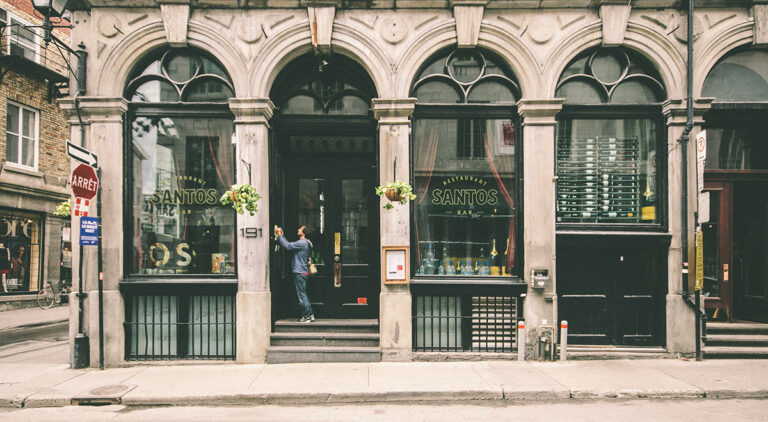
Montreal’s streets have a strong architectural character, from the wrought-iron staircases of the Plateau to the stone facades of Westmount. Replacement windows can respect that character. Casement and awning windows seal tightly against the wind, while double-hung or tilt-and-turn styles can echo the look of older sash windows. Matching the proportions and colour of the originals goes a long way toward keeping a facade looking right.
For plex owners, it’s also worth thinking about consistency. Replacing all the windows on a facade at once usually looks better, and often costs less per window, than replacing them one unit at a time.
Timing Your Project
The best time to plan a window replacement is well before winter arrives. Late summer and early fall are popular because installers can work comfortably and homeowners go into the heating season with new windows already in place. That said, experienced installers can replace windows in colder months too, working one opening at a time to keep the house warm.
Whenever you schedule the work, get quotes from an established window replacement company that measures on site, explains its installation method, and is clear about warranties on both the product and the labour. Installation quality matters as much as the window itself: proper insulation and sealing around the frame is where much of the performance is won or lost.
Don’t Forget About Incentives
Energy-efficiency incentive programs for window upgrades come and go at the federal, provincial and utility levels. Before you sign a contract, it’s worth checking which programs are currently available in Quebec, what paperwork they require, and whether an energy evaluation is needed before the work starts.
The Bottom Line
In a city with winters like Montreal’s, windows are not a cosmetic upgrade. They affect how warm your home feels, how much you spend on heating, how quiet your rooms are, and how well your house holds up to moisture over time. Paying attention to the warning signs and planning a replacement before small problems become big ones is one of the most practical investments a Montreal homeowner can make.
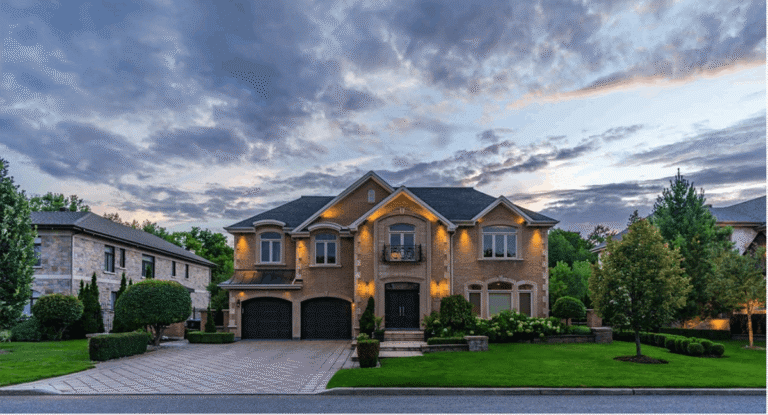
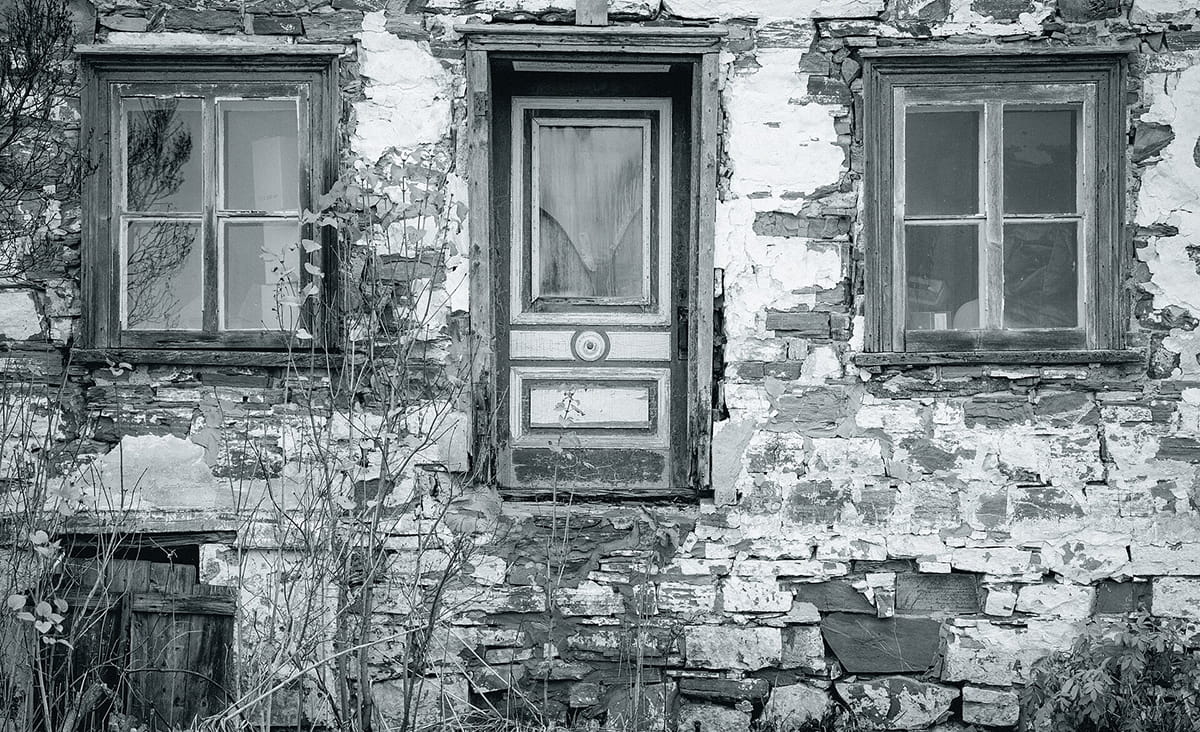
lead photo House facade in Île d’Orléans, Quebec city, Quebec, Canada. (CC0 / public domain, Wikimedia Commons)